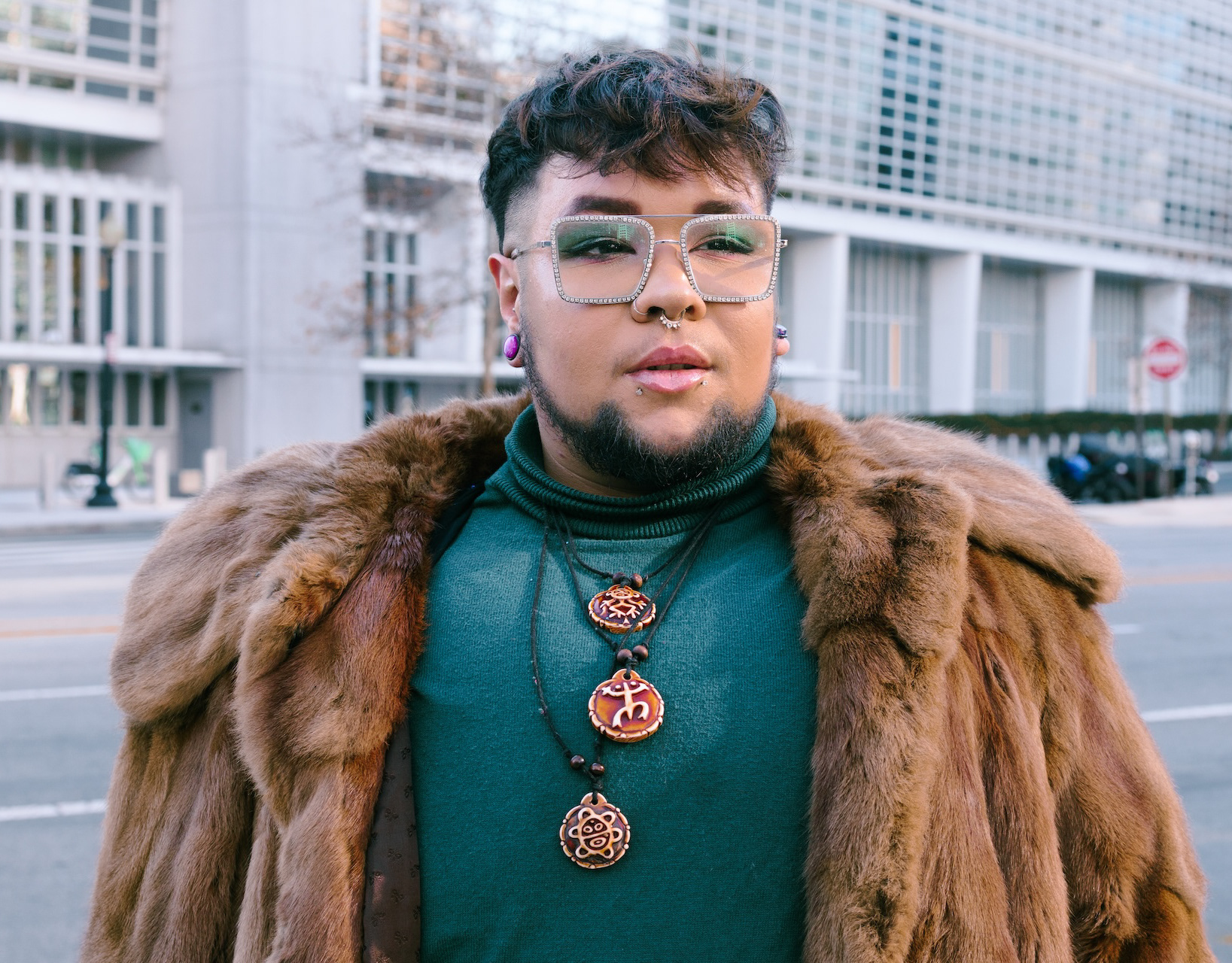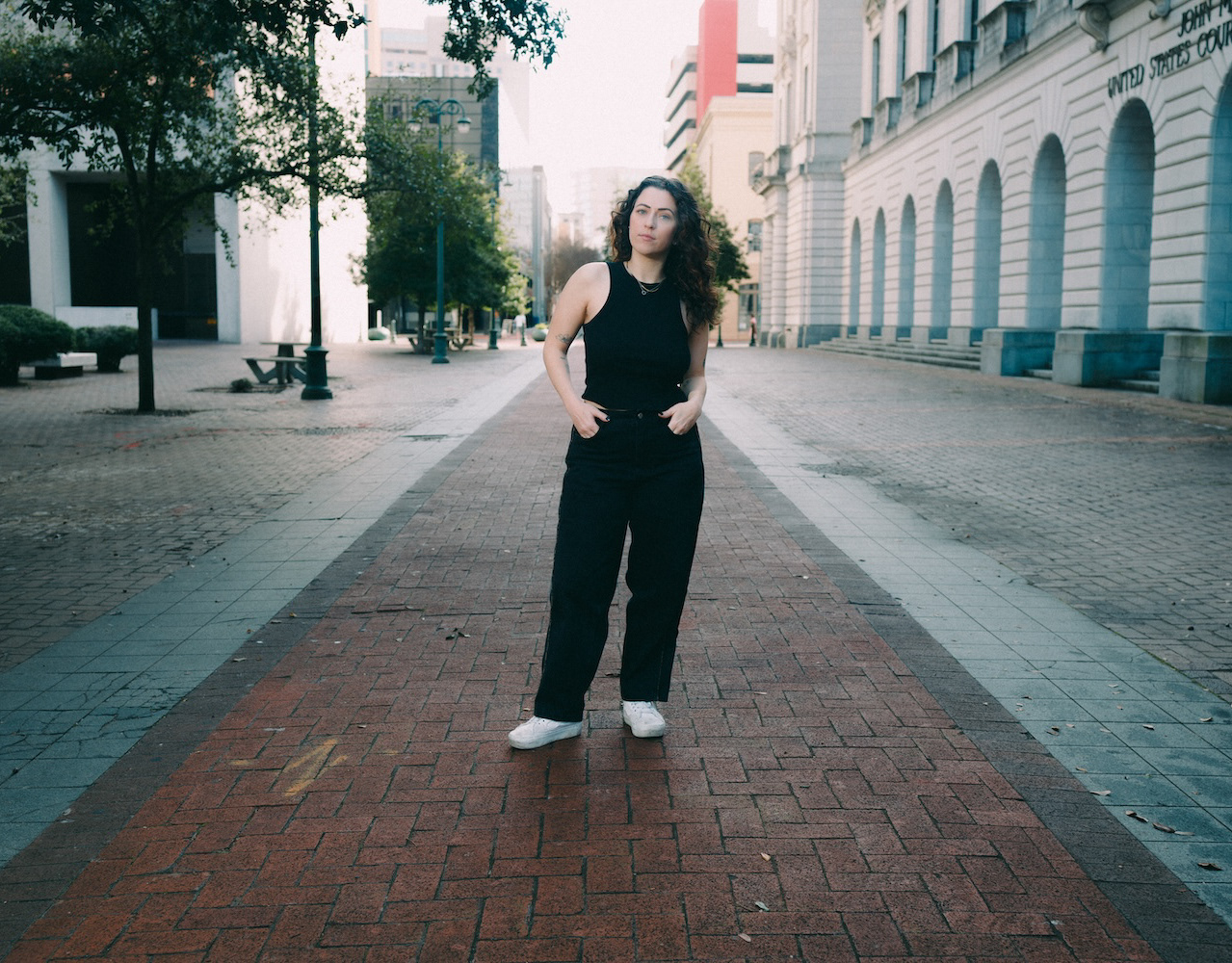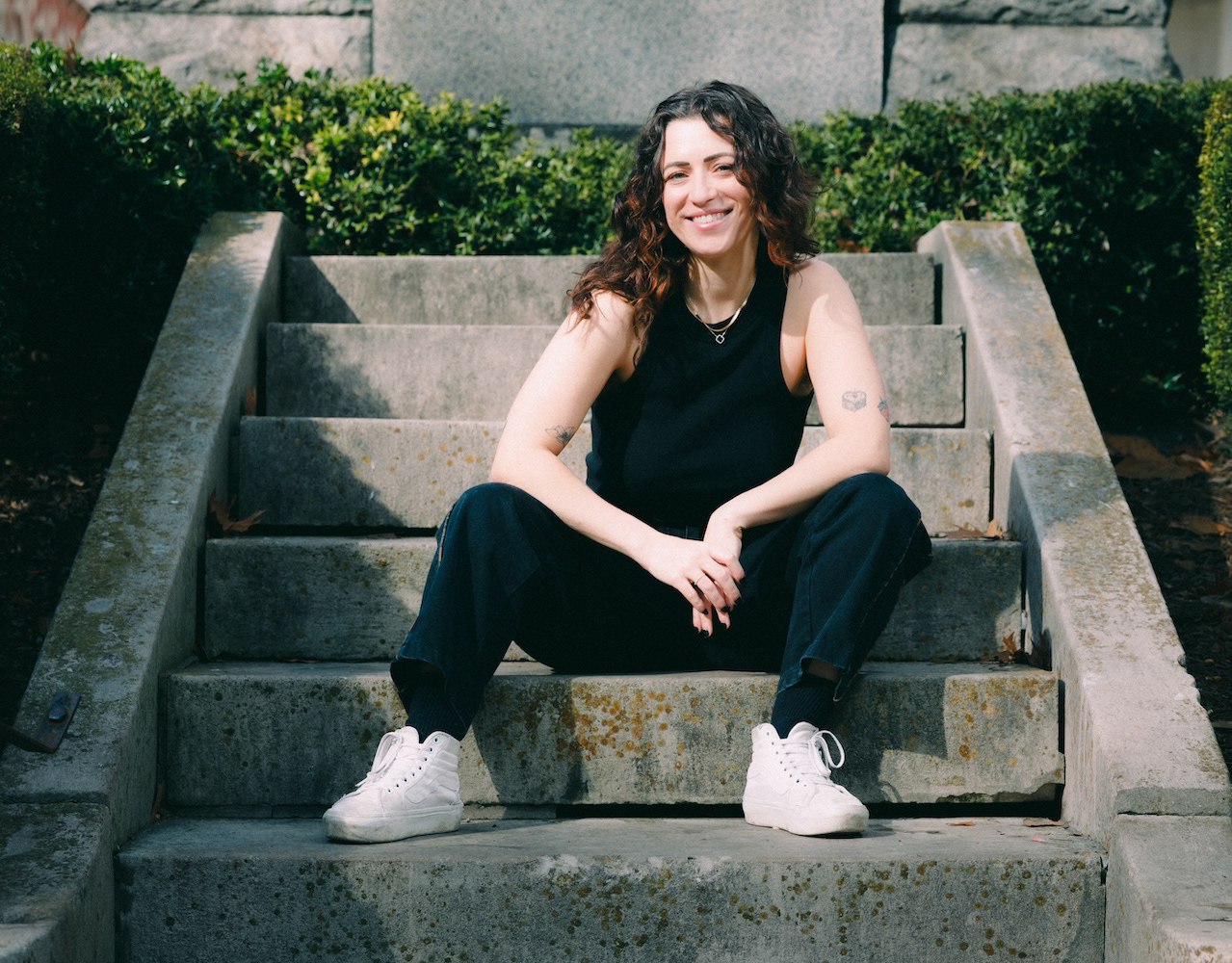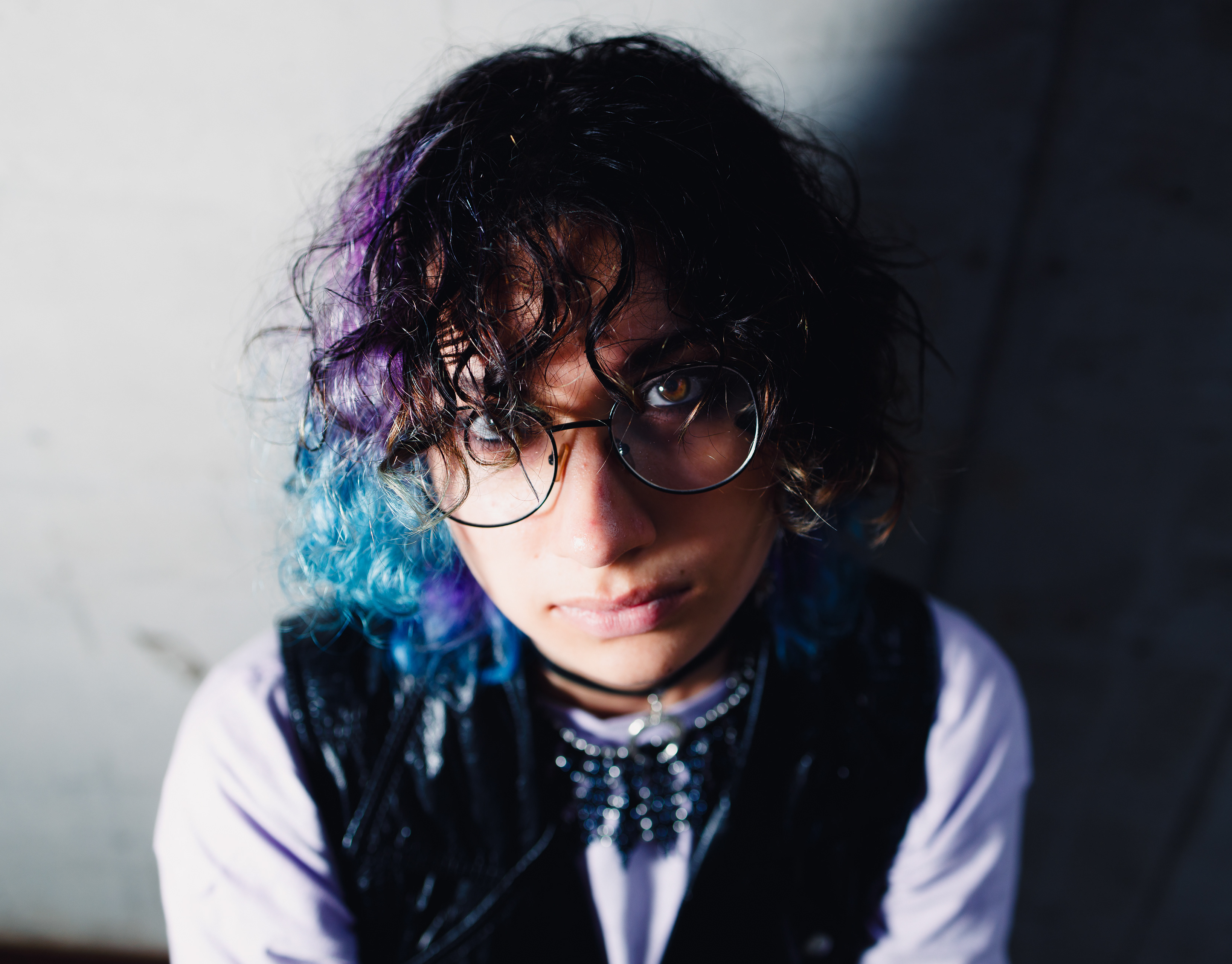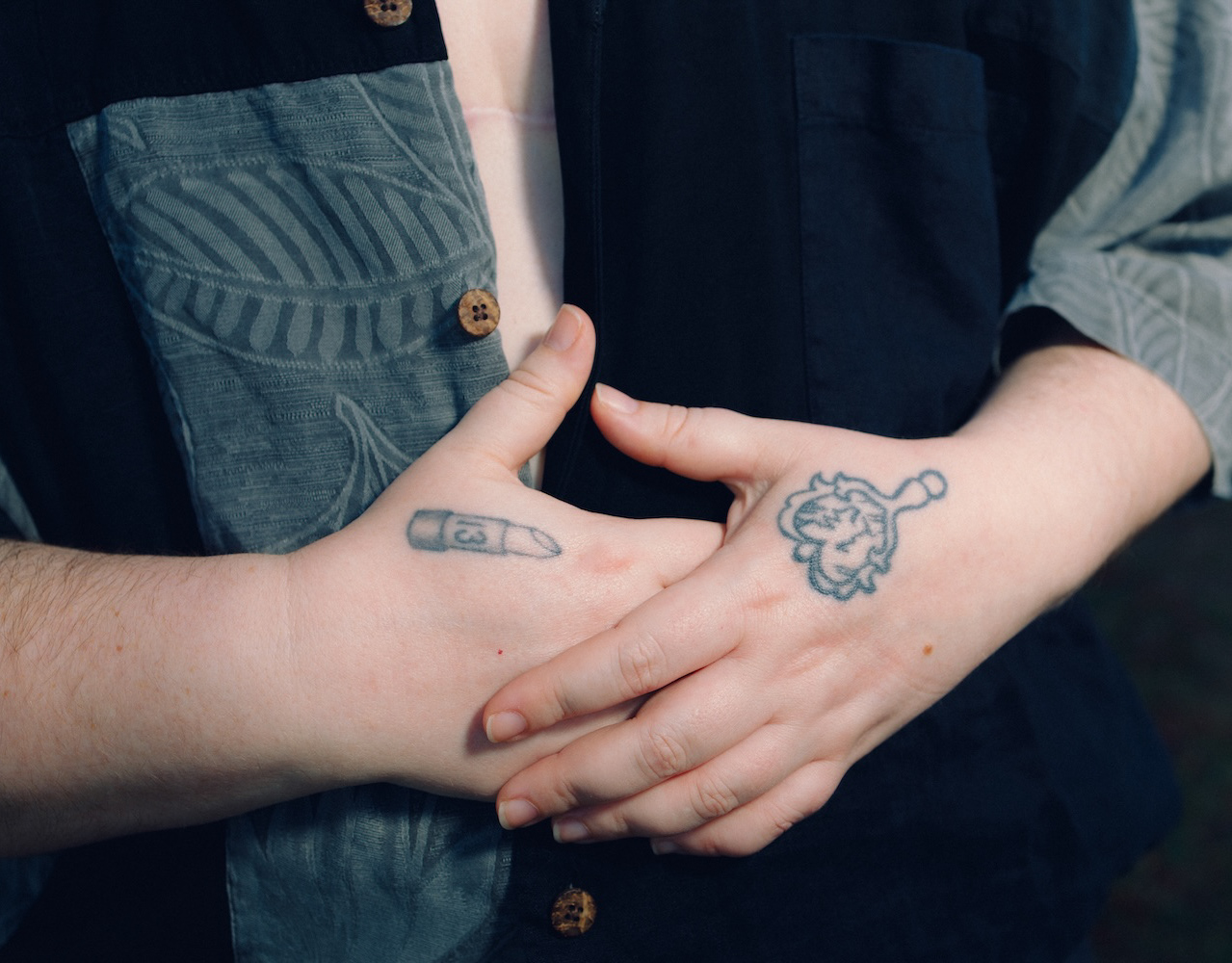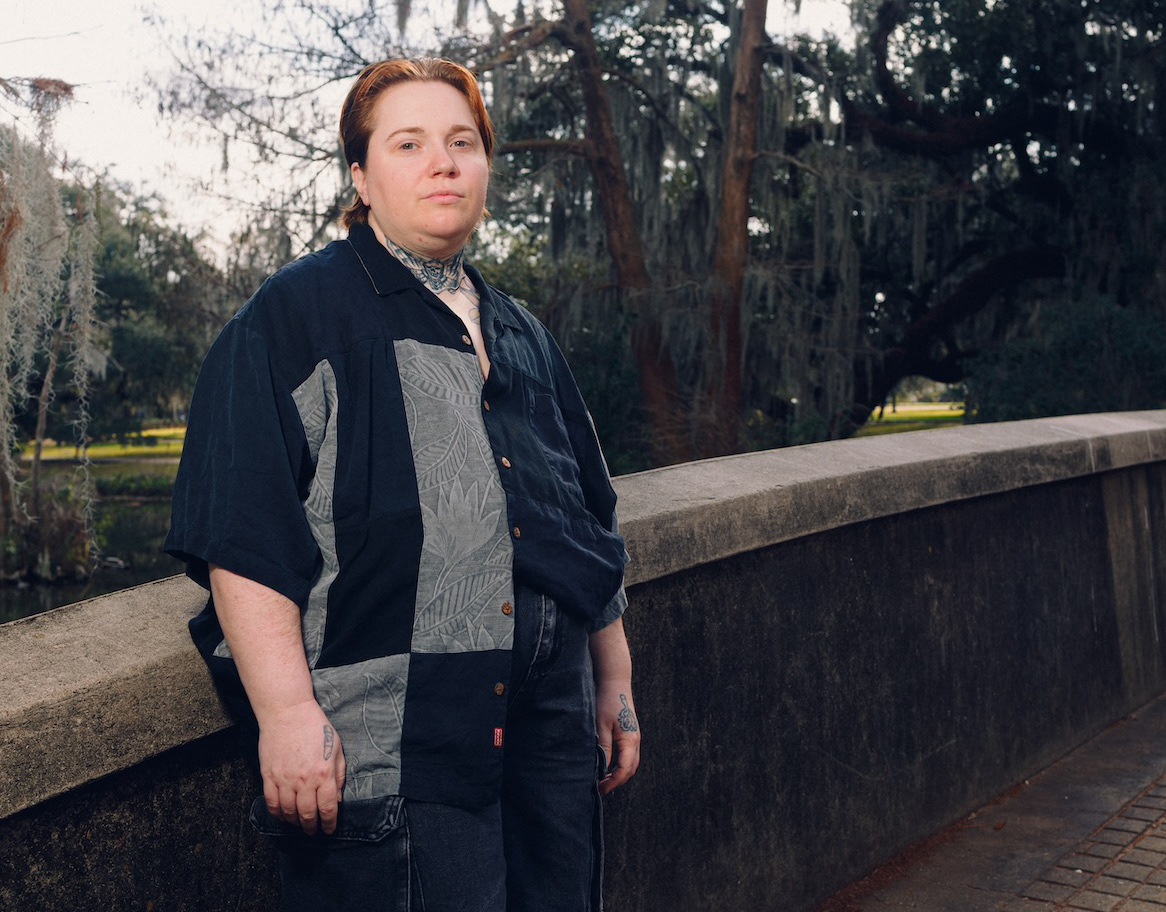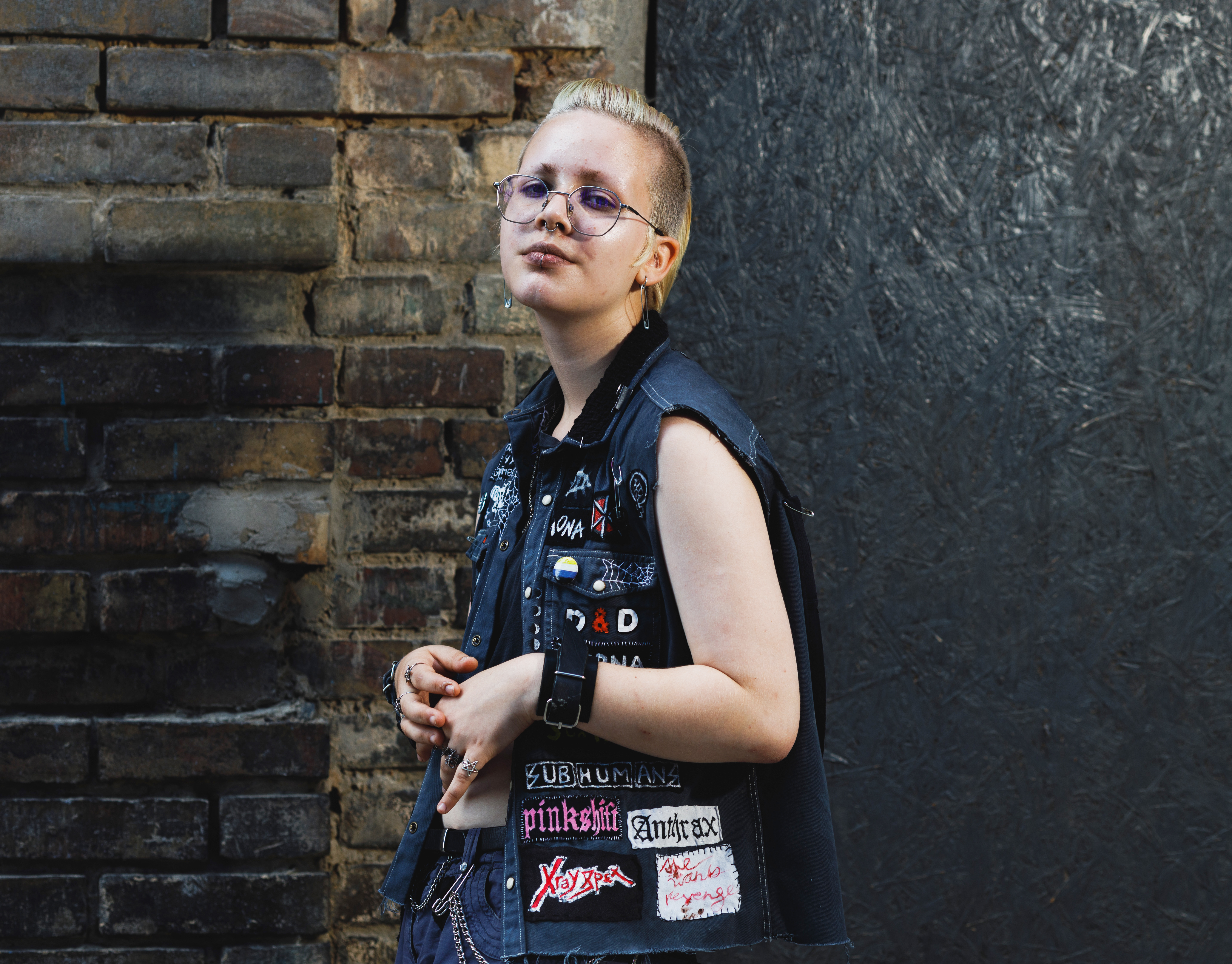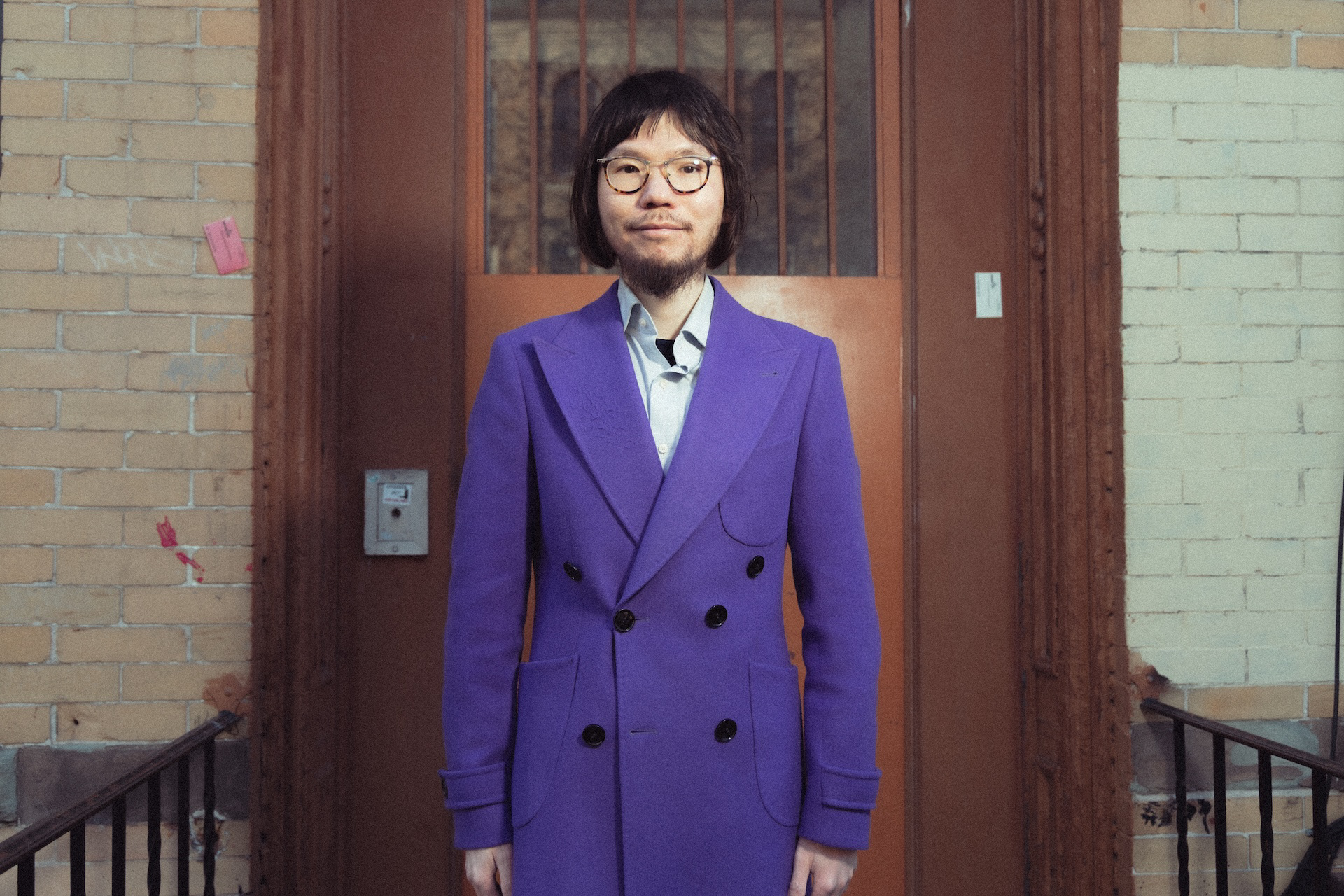
“Nonbinary identity is very subtle. It’s always there, even if it doesn’t dominate.” — Leon (he/they), New York, February 28, 2026. Photo by Saf Homin.
Leon is a nonbinary-identifying software developer and musician based in New York. Moving between China, the Bay Area, and the U.S. tech industry, he describes gender as something subtle and persistent, shaped by social expectations but not defined by them. Through music, performance, and everyday life, he reflects on identity as something expressed through choice, behavior, and self-understanding rather than fixed categories.
How did you understand that you are nonbinary? When did it happen?
It was never a clear moment. The feeling was always there in the background. I grew up with expectations of masculinity, but I felt closer to artistic and more expressive spaces. I often felt like I was performing a role, especially in male-dominated environments.
Art felt more authentic. Through music and creative work, I felt more like myself. Later, exposure to ideas about gender gave me language for it. I realized I didn’t want to be defined by male expectations.
I don’t reject my body. I just don’t follow the behaviors attached to it. My understanding developed gradually. Relationships sometimes exposed this mismatch, and that pushed me to be more honest about it.
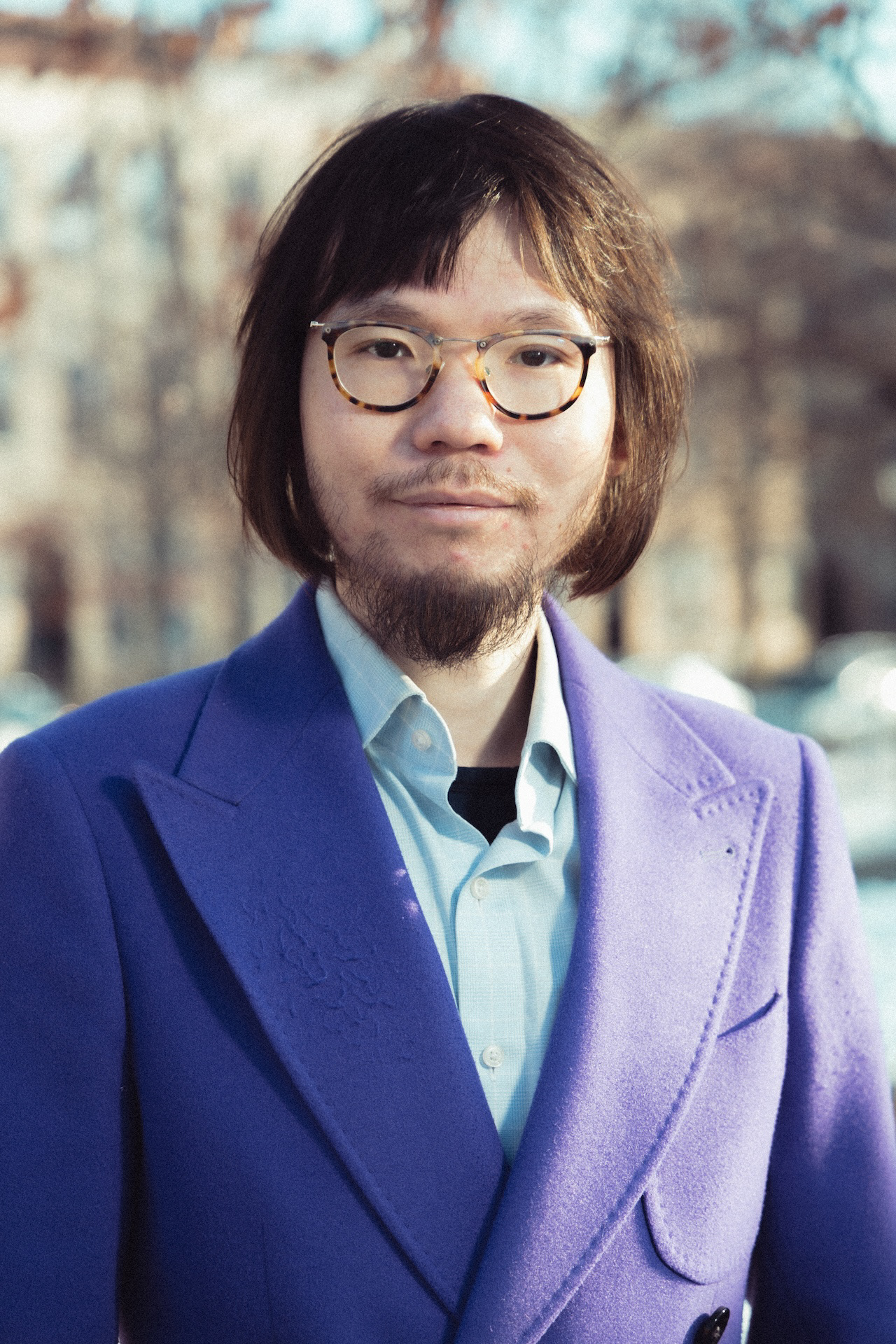
“I don’t want to be defined as a man.”
What pronouns do you use?
He/they. I’m fine with “he” because it’s familiar to people, but I also identify with “they.” Some people notice my more feminine expression and ask about it. Others don’t, which is also fine.
It’s similar to that jazz guitar analogy—it’s there, but not always obvious.
It’s similar to that jazz guitar analogy—it’s there, but not always obvious.
Do people usually use “they,” or mostly “he”?
Mostly “he,” and that’s fine. For me, it’s more about personal understanding than correcting others. Realizing I don’t have to perform masculinity in dating or work has been very relieving.
What does nonbinarity mean to you?
It means I don’t feel obligated to follow certain behavioral expectations. I don’t have to be dominant or initiate everything, especially since I’m introverted.
It also means I can express myself visually—wear bright colors, aim for a “beautiful” look instead of a traditionally “cool” male look. That freedom is central to how I understand nonbinary identity.
Have you faced discrimination?
Not really. I live in New York, which is not representative of all of America. I haven’t experienced much discrimination.
Nonbinary identity also feels less visible than being gay or transgender, so it doesn’t always trigger strong reactions.
What do you mean by “less visible”?
People often think in more binary terms—like transitioning from male to female. My situation is more subtle. There’s no obvious external change. My parents can still see me as the same person. The difference is mostly in behavior and self-understanding. Because of that, it doesn’t provoke strong reactions.
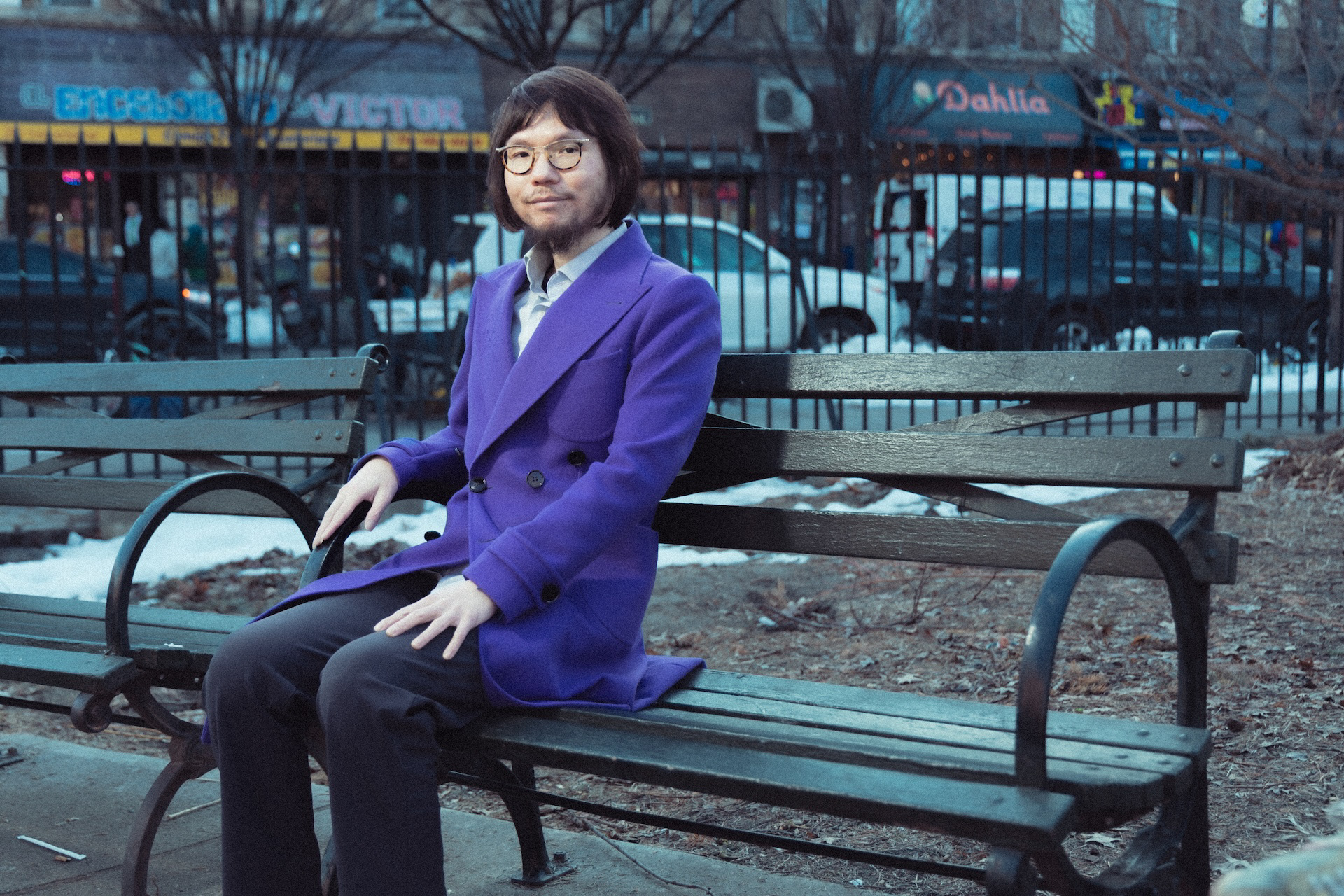
“Realizing I don’t have to perform masculinity… has been very relieving.”
Some people assigned male at birth move away from masculinity because of toxic expectations. Does that relate to your experience?
Yes, I think so. It also affects how I perform. For example, singers like Adam Levine have a high, expressive voice but often try to mask it with roughness. I don’t feel the need to do that. If I go into a more feminine register, I just do it fully.
Have you considered transitioning in other ways, like hormone therapy?
No. The main change for me has been appearance. During the pandemic, I grew my hair long and decided to keep it. It changed how I express myself.
At the same time, I also keep a mustache and beard. I’m not rejecting my body. I’m comfortable being somewhere in between.
How long have you lived in New York?
About five years. Before that, I lived in the Bay Area for about 11 years. I originally came from China, where I was born and raised, and moved to the U.S. for a master’s degree.
How would you compare queer experiences across these places?
In China, there’s less awareness, but people often don’t interfere much in others’ lives. It’s not openly discussed.
In the U.S., it varies. Some regions are more influenced by religion and less accepting. In New York, people are generally open-minded.
The Bay Area is interesting—it has both strong queer culture and a very male-dominated tech environment. I experienced more of the corporate culture than the queer community there.
How do you feel about current policy changes, like removing neutral gender markers from passports?
I think for many people, that matters a lot. Even if it’s not central to my own experience, I see it as a step backward. I wish those options remained.
What helps you during this time?
Music. The jazz community in New York, especially queer spaces in Brooklyn and Bushwick, has been very supportive. It allows me to express gender through art.
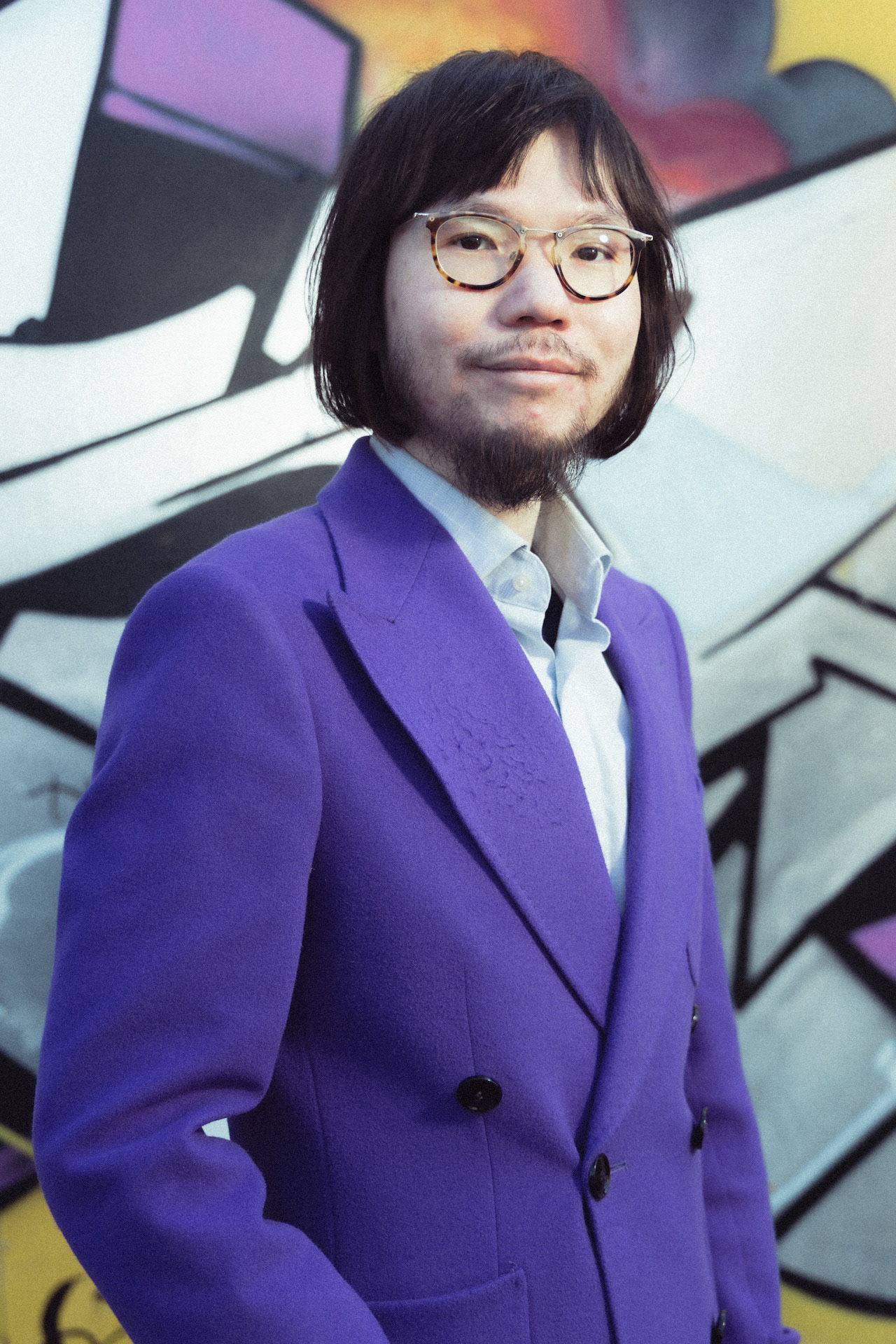
“I’m not rejecting my body. I’m comfortable being somewhere in between.”
Any final thoughts?
If we treat gender more as a biological descriptor and less as a set of expectations, it can be liberating. We attach too many meanings to “male” and “female.”
If we reduce those expectations, people can express themselves more freely. That might be more useful than creating new categories. Many people don’t fit neatly into the binary anyway.
Interview conducted in New York on February 8, 2026.