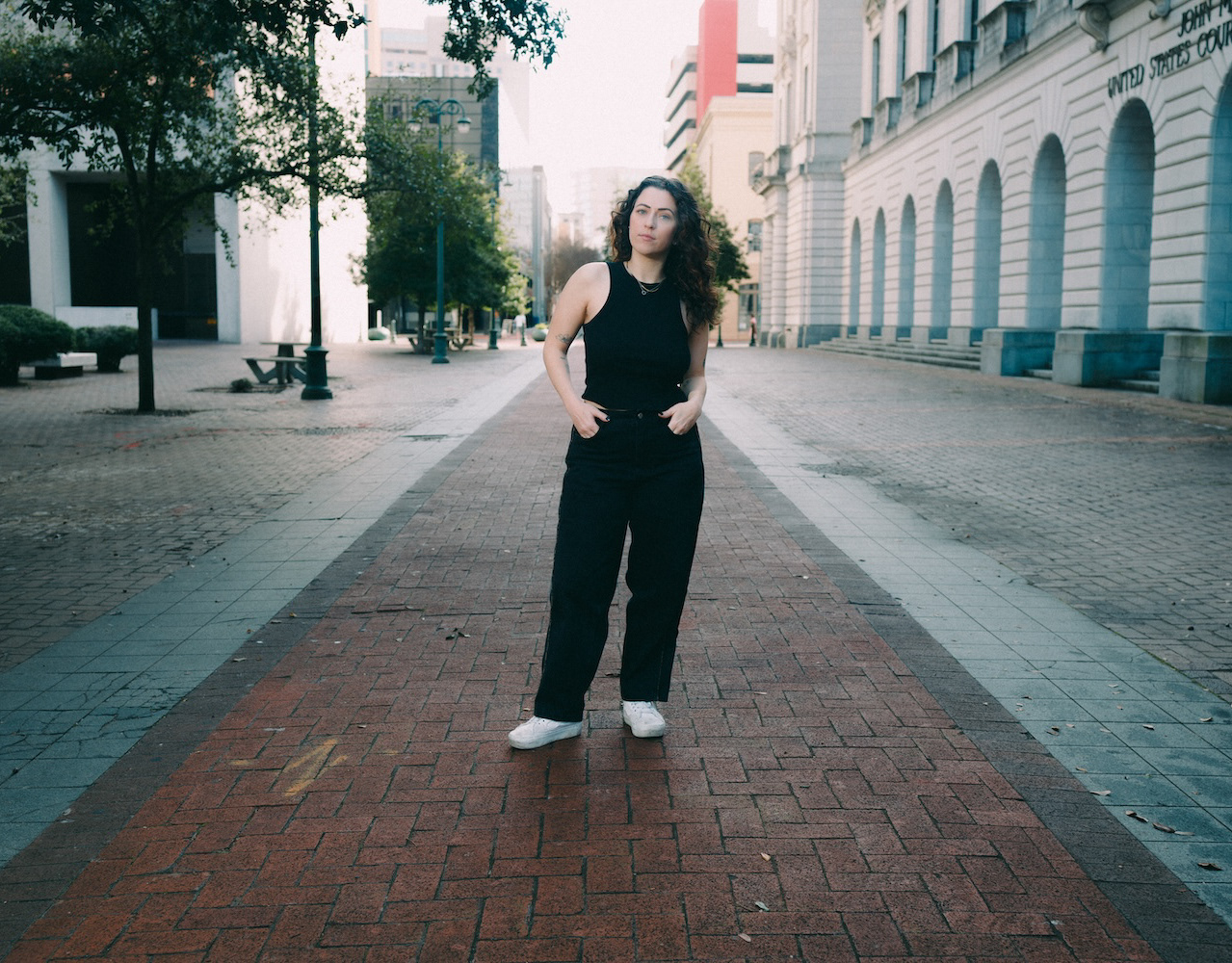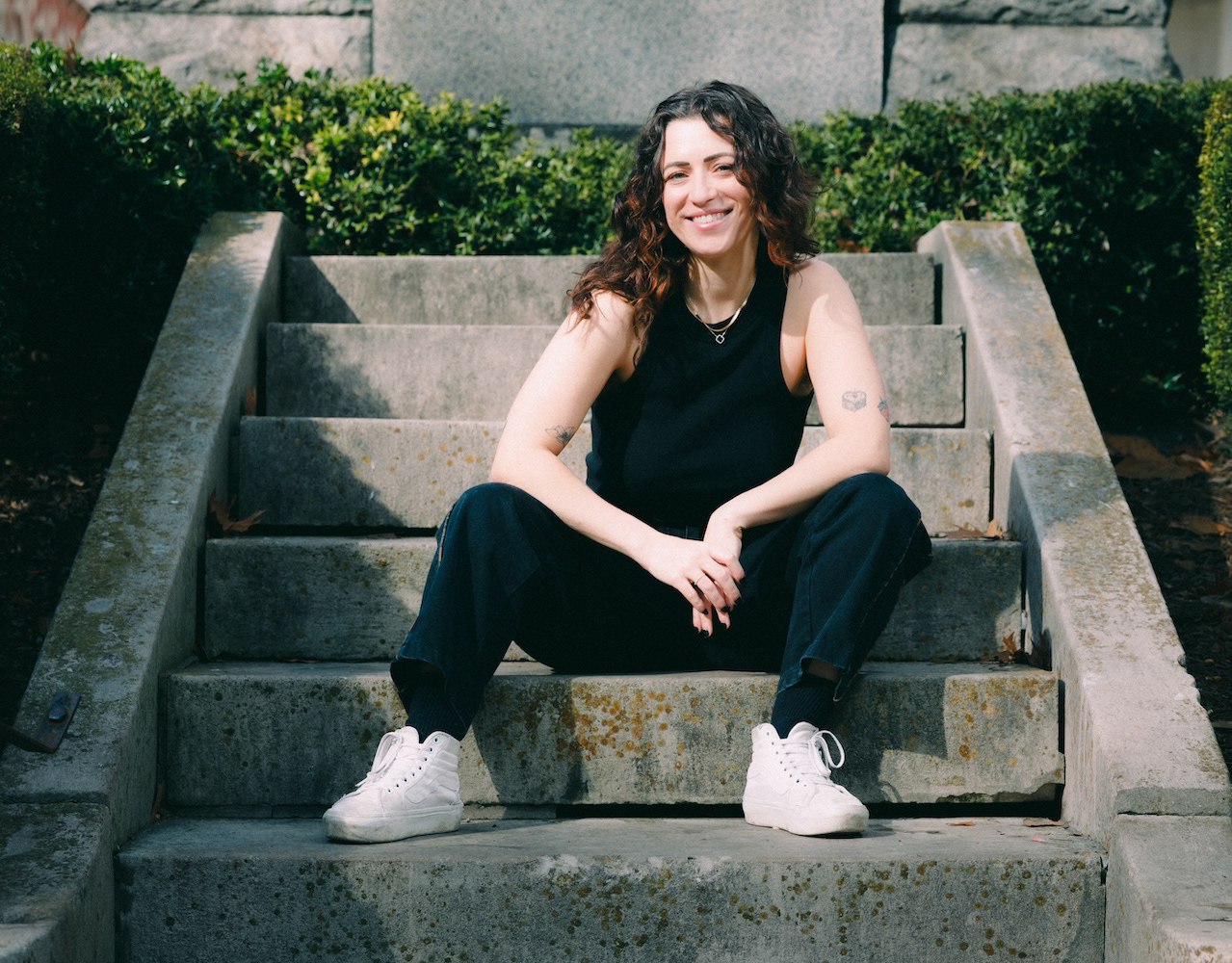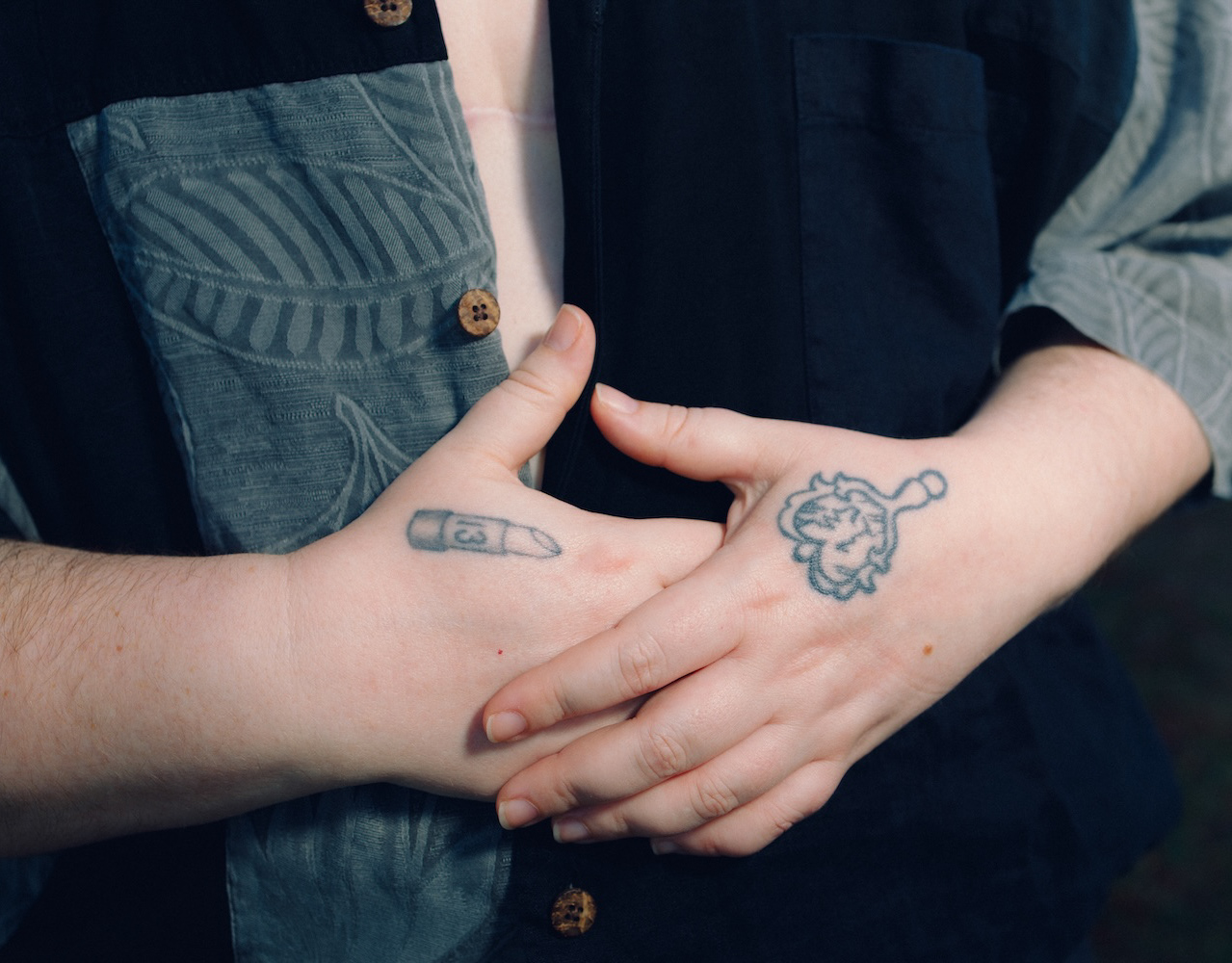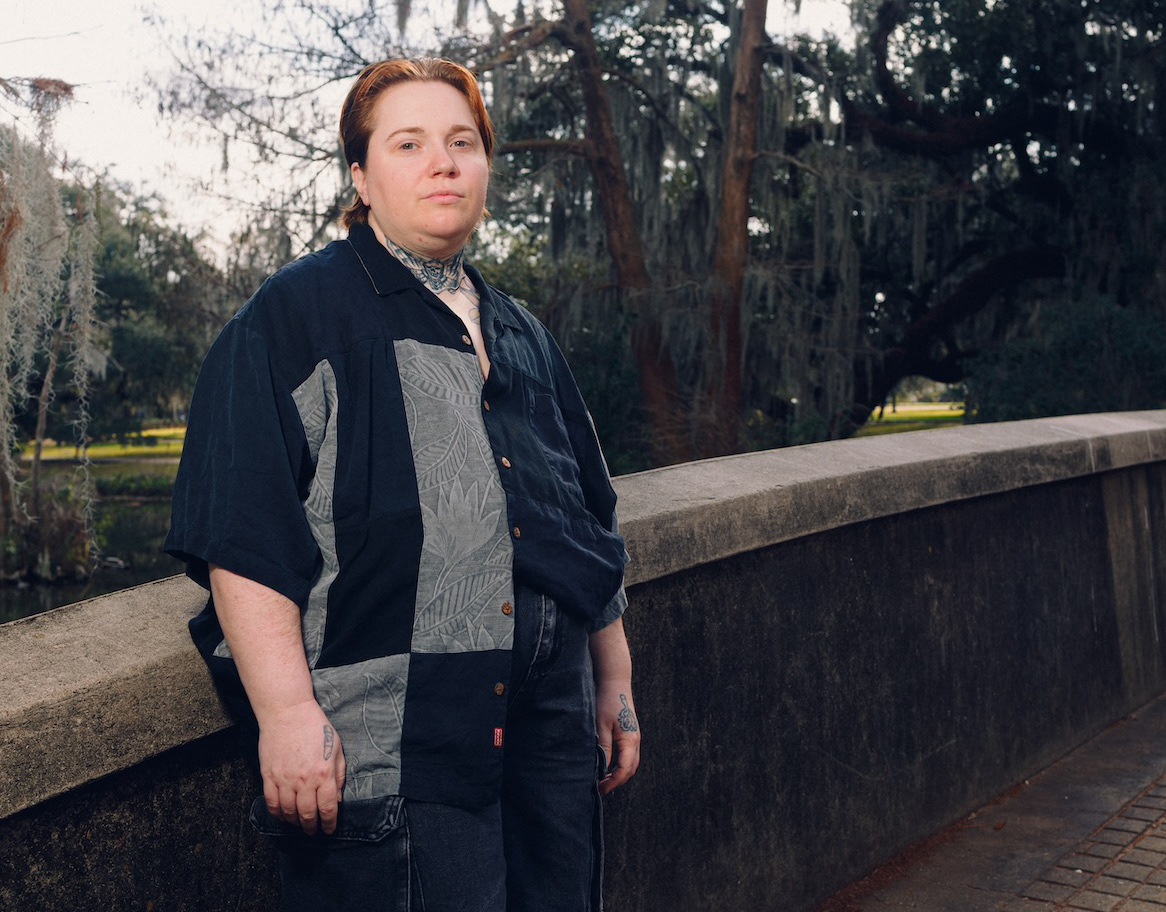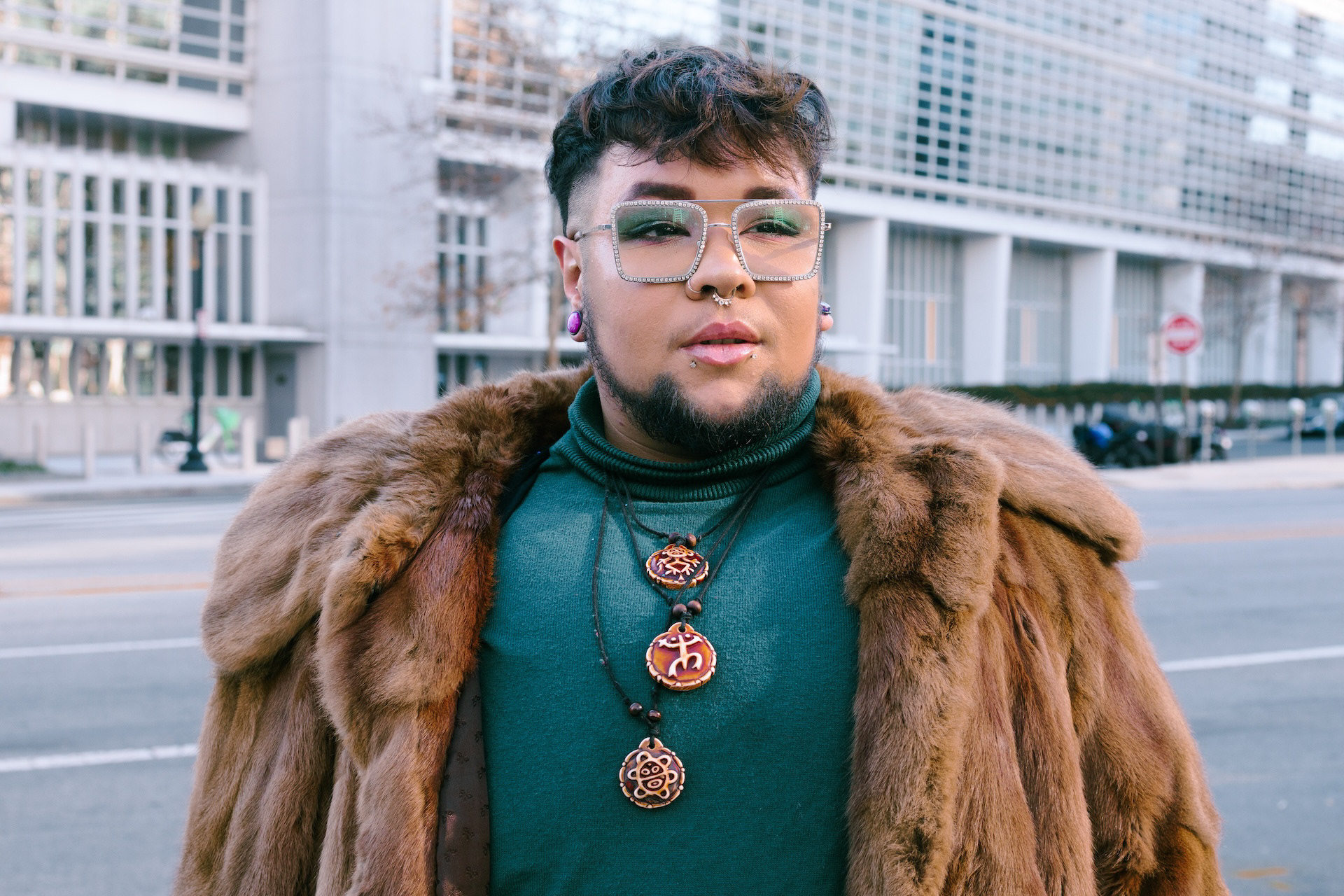
“Even though the world is such a dumpster fire right now, I am the happiest I’ve ever been.” — Yadiel (Ricky Rosé), Washington, DC, December 3, 2025. Photo by Saf Homin.
Yadiel (Ricky Rosé) is a nonbinary, Two-Spirit drag performer based in the United States, with roots in Puerto Rico. Through drag and community work, they explore identity beyond fixed categories, navigating questions of safety, family, and belonging.
How did you understand that you’re nonbinary?
So, going all the way back to when I was a little kid—it’s actually kind of funny. Before I was born, my mom was having a baby shower, and my madrina, my godmother, was trying to buy things for it. This was before sonograms or anything that would show the sex of the baby, so my mom kept saying, “I think it’s going to be a girl. I think it’s going to be a girl—I can just feel it.” And, you know, blah blah.
But my madrina, my godmother, was the only person out of everybody that was like, “No, it’s gonna be a boy. It’s going to be a boy.” And so when I think back on how my mom told me that story as an adult, I was like, “Oh my gosh. Well, she was kind of right. I guess she knew something, at least.”
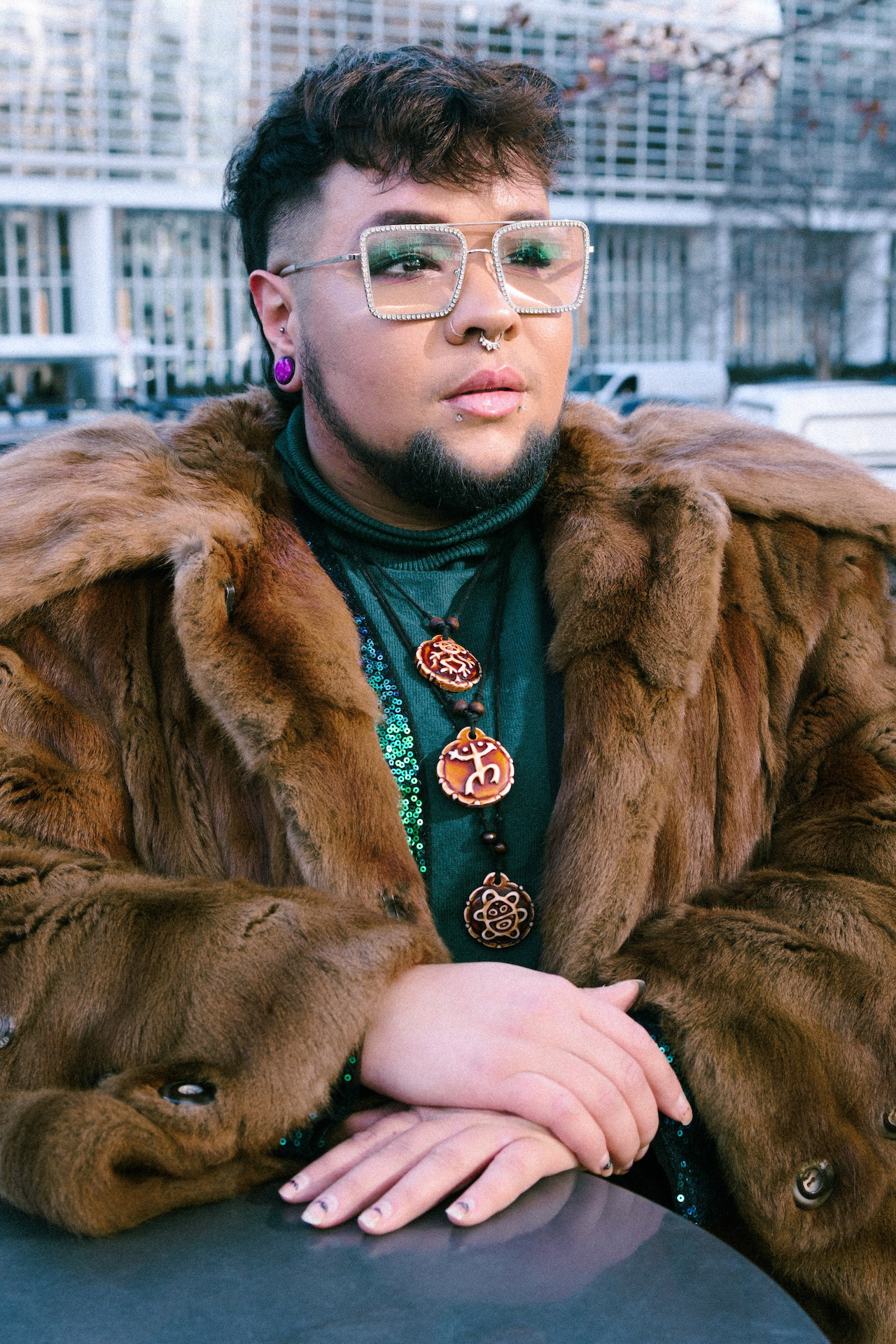
Through the art of drag, I found purpose again. It gave me goals. It gave me things to look forward to."
And so, hearing that story as an adult, I think back on, yeah, being a kid. I was always such a huge tomboy. I hated pink. I hated wearing, like, super girly clothes. I hated my hair long. I just really didn’t understand how femininity fit into my life. I felt very against it or whatever.
As I grew older, I started accepting it more and more, and I kind of went full feminine style. I learned how to do my makeup. I started dressing nicer when I would go out and stuff like that. But ultimately, how I came to realize and come out as nonbinary was actually through the art of drag.
When I moved— oh, actually, no, I was still living outside of DC, but I came to a drag king show for my first time. And as someone who has watched, like, RuPaul’s Drag Race and seen drag queens and such, I loved their art form, and it was magical to me. And I was like, “Oh, this would be so cool to try,” but it didn’t quite fit.
And then when I saw drag kings, my entire world— I’m getting chills talking about it— my entire world changed. I was like, “Oh my gosh, this exists. You can do this.” And so I connected immediately with a lot of the drag kings in that troupe that was performing that night and found a mentor. He goes by the drag king name Phoenix King, and also Majic Dyke, who now lives in Kenya.
But meeting those people and learning so much from them and them taking me under their wings really just made so much of life come together and make sense. Through the art of drag, I found purpose again. I was in kind of a dark time in my life at that point, and so it gave me goals. It gave me things to work toward. It gave me things to look forward to.
And through that, I found my identity— that I’m nonbinary. And even though I tell everyone this all the time, even though the world is, like, such a dumpster fire and a hellscape right now, I am the happiest I’ve ever been. And I continue to explore myself through accepting that I’m nonbinary.
And I now accept my feminine side. I love the color pink. My name is Ricky Rosé in drag. Like, I love toying with and blurring the gender lines, because that is where I feel most at home in my body. I feel super authentic and genuine, and like nothing can stop me in this world when I accept and present as the genderful genderfucker I am.
That’s so awesome. What does nonbinary mean to you? How do you define it for yourself?
So ultimately, I— at, like, on paper, like at the basis of it— I ultimately identify as Two-Spirit, because I’m Taíno from Puerto Rico. So— but it also plays into nonbinary, and that’s like a much little bit of a simpler term, at least in the US or Western culture that is still learning about Indigenous cultures and such.
But nonbinary, to me, it’s not neither and either or both at the same time. I don’t necessarily feel tied to, you know, any specific, like, male or female. I really find myself blurred— blurring the lines and somewhere in the ether between the two. That’s what it really means to me.
Some days I do present more masculine, especially like walking in the streets of a city. You know, I try to— you know— portray, like, present myself one specific way for safety. Or if I go back to Puerto Rico and see family and such, I do present more feminine again, more so out of safety.
But I don’t typically— that doesn’t cause me dysphoria per se either, because I do find I love— like, I love exploring and revisiting or trying out new things, because life is too short to not try everything, I guess.
And so, yeah, I would consider being nonbinary somewhere in between or somewhere completely outside of it. There isn’t one perfect way to be nonbinary, and I find myself balancing between those two.
Does nonbinary fall under the trans umbrella for you?
R: For me, it does. I’ve been taking HRT for approximately on and off for five and a half years now, because I do feel more at home in my body after taking testosterone. So I would at least consider myself under the trans umbrella, of course.
But I also feel like it’s up to the person whether they would determine themselves to be under the trans umbrella while being nonbinary. But for me, yes, I would consider it under the trans umbrella for sure.

“I love toying with and blurring the gender lines, because that is where I feel most at home in my body.”
Is your whole family in Puerto Rico?
I would say about 99% of my family is. I grew up in the States because my dad was in the US Army. So all my sisters live here in the US and along the East Coast as well. My parents are in Florida now because they retired..
But yeah, I would say the vast majority of my family is still in Puerto Rico, and so it’s hard to share this part of my life with them, just because of the culture and religious aspects of the culture in Puerto Rico.
And did you open up to them about it? Do you use Two-Spirit or nonbinary? How do you talk to them?
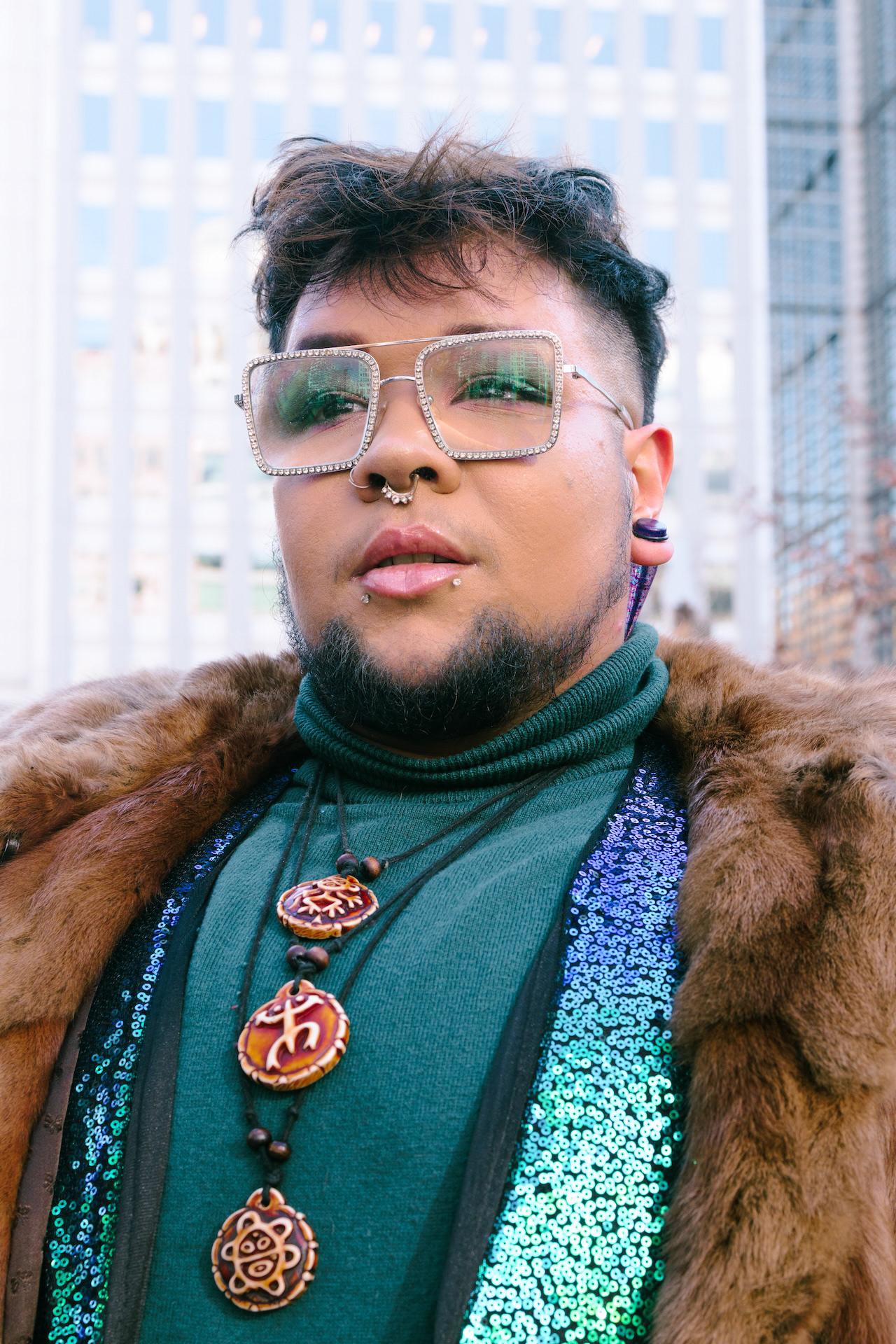
There isn’t one perfect way to be nonbinary.”
Yeah. So with my immediate family, like my sisters— my older sister is now my biggest advocate and ally, I would say, since coming out. We kind of had a little bit of a tumultuous relationship growing up in my later teen years, but after that, we really came back together.
She was the first person I came out to as not only queer officially, but also trans. And since then, she’s been my biggest source of support, especially because she’s the closest family member living near me.
My immediate family, like my parents too— I came out to them as nonbinary. My mom was super accepting right off the jump and does her best to use the correct pronouns and my chosen name and such.
But my father— I love him dearly— he is unfortunately just a little bit— still very conservative in those thoughts and has just a little bit of a harder time getting on board, per se.
But they both try very, very diligently, and I really appreciate that.
Most of my family in Puerto Rico, though— on the island— like my abuelos— unfortunately, I just haven’t found a way to talk to them about it. They’re getting older. My abuelo has Alzheimer’s and dementia right now, so it’s just not something that I— I’d rather just keep the peace. And I’m at peace with that myself.
It doesn’t cause dysphoria or cause turmoil inside or anything. Do I ultimately wish I could be more open with more of my family in Puerto Rico? Of course. But I’m at peace with keeping the peace, if that makes sense.
One of my dad’s younger sisters and a couple of my cousins on my dad’s side— they actually came to one of my drag shows when I was in Puerto Rico. And so they know that I’m out as trans and nonbinary because they saw me do drag.
And then the last time I went to visit Puerto Rico, we actually had a conversation because she’s friends with me on Facebook. She pulled me aside. We used to be besties when I would go over there by myself every year.
She asked me point blank if I was trans. And I told her yes. She was very accepting. And it was really nice to know that I don’t have to hide it from everybody.
You said that you present more feminine when you interact.
I do. I typically do, just to kind of keep the peace and not cause questioning. And also, unfortunately, in Puerto Rico right now, it is getting harder and more dangerous for trans folks because the government has been leaning way back toward right-wing conservatism.
Their governor is aligned with Trump, and legislation has been going backwards on LGBTQ rights. Because of that, people are feeling bolder to cause harm to trans people.
So again, for safety and to keep the peace, I present more feminine and don’t talk about it too much when I’m there.
Do these political changes impact how often you visit Puerto Rico?
Absolutely. I haven’t been back since summer 2023. Unfortunately, I haven’t felt safe going back, especially because I tend to travel alone.
In retrospect, did you face any sort of discrimination?
Not in Puerto Rico, because I keep the peace there. But in DC, yes— racism and transphobia, even within the LGBTQ community. A lot of wealthy white gays don’t recognize that their rights exist because of Black and Brown trans people. I’ve felt marginalized within my own community.
As a drag performer, I’ve seen how hard it is for Black and Brown trans drag kings to get opportunities. Meanwhile, we’re on the front lines organizing, fundraising, and creating community. It would mean a lot to see that uplifted.
Could you share a bit more about the joys of coming out?
Despite everything, I’m the happiest I’ve ever been. Accepting myself brought color into my life. I’m proud to be visible for younger people who didn’t have someone like me to look up to.
I get to do drag story hours and Trans Day of Visibility events and show kids that you can grow older as your authentic self. I didn’t think this was possible 10 years ago.
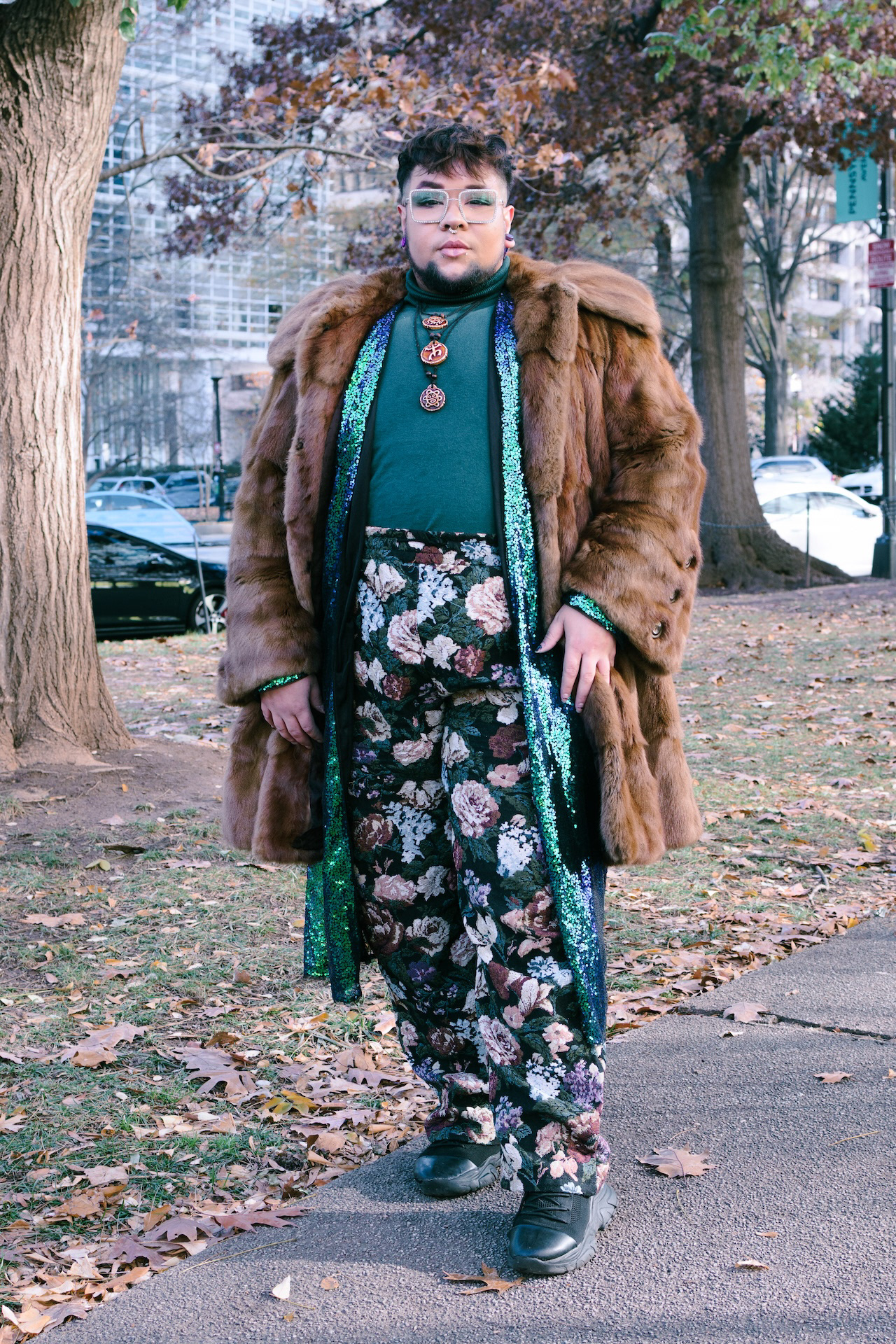
If you don’t have community, keep looking. We are all we have. Do not give up. The best is yet to come.”
Does it make sense to reach out to communities that don’t understand queerness?
It’s a tough question. I’m open to genuine conversations, but I protect my peace now. If I feel unsafe or that it won’t make a difference, I walk away.
Is there a final message you’d like to share?
Times are tough, but there’s still good happening. If you don’t have community, keep looking. We are all we have. Do not give up. The best is yet to come.
Thank you. Thank you for sharing.
Interview conducted in Washington, DC, on December 3, 2025.