Was theater where you learned about the term nonbinary? How did you know it?
I'm not sure where I first heard it. One strong piece of representation I remember is from BoJack Horseman, with Todd. I always loved Todd as a character, and I feel I need to rewatch the show to see things from his perspective more. That’s probably the biggest representation memory.
Are you a student now?
I graduated in fall 2021. I work fully remotely as a data engineer. I can’t ask for a better position, honestly. I’m at State Farm, and they’re pretty accepting. Last week they sent a company-wide memo recognizing trans people, and I was proud of them. Many companies avoid representing LGBT people. Even on the Reddit post where I found you, someone said you shouldn’t look for people online. That’s exactly what they want—to silence it. Now is the time to stand up for these people more and never stop.
What do you think would help improve understanding of nonbinary identities and communication?
Honestly, with discussions I’ve had with my parents—they get information from Facebook. Nobody young that I know uses Facebook. It’s hard for them to get accurate information. I think an article would help, but it requires effort. So probably some form of short-form video, viewable on a phone… and on Facebook. I've been trying to get them off Facebook.
Do you face situations where people openly deny your identity or say it doesn’t exist?
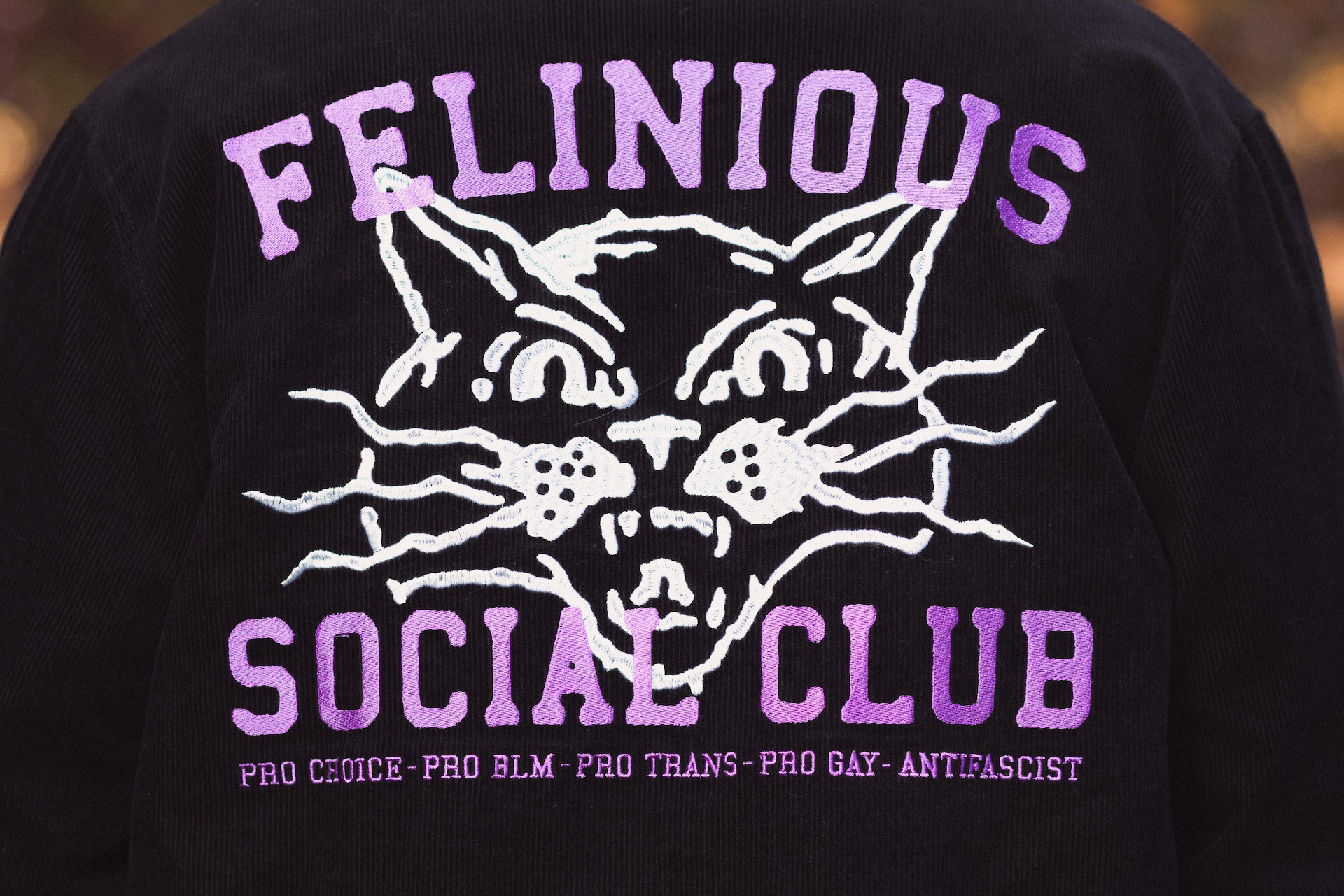
Not so far. The people I tell are chosen, so I curate the audience. That’s partly why I haven’t told my parents, even though I could. I feel there should be a reason. I had a party not long ago, invited many friends—that’s where I told them, because it was a nice environment. I’ve thought about pinning a nonbinary button on this jacket—it already has stances like pro-trans, pro-LGBT on the back. It would make a nice pin. I might face more opposition later.
So you don’t feel safe opening up to communities you don’t think will understand?
Yes. The current political climate partly encouraged me to be more open, but also made me avoid drawing unnecessary attention to myself. An interview like this feels necessary, but I keep to myself too much to broadcast it in ways that don’t directly benefit me.
Is there a final thought you’d like to share?
It's okay to not be sure about things. It’s okay to keep learning. I’m still learning what my identity is. I don’t know if I’ll ever fully solidify it. But don’t be too hard on yourself. Life is about learning, and as long as you're trying to learn, you're doing okay.
Interview conducted in St. Louis on November 12, 2025.