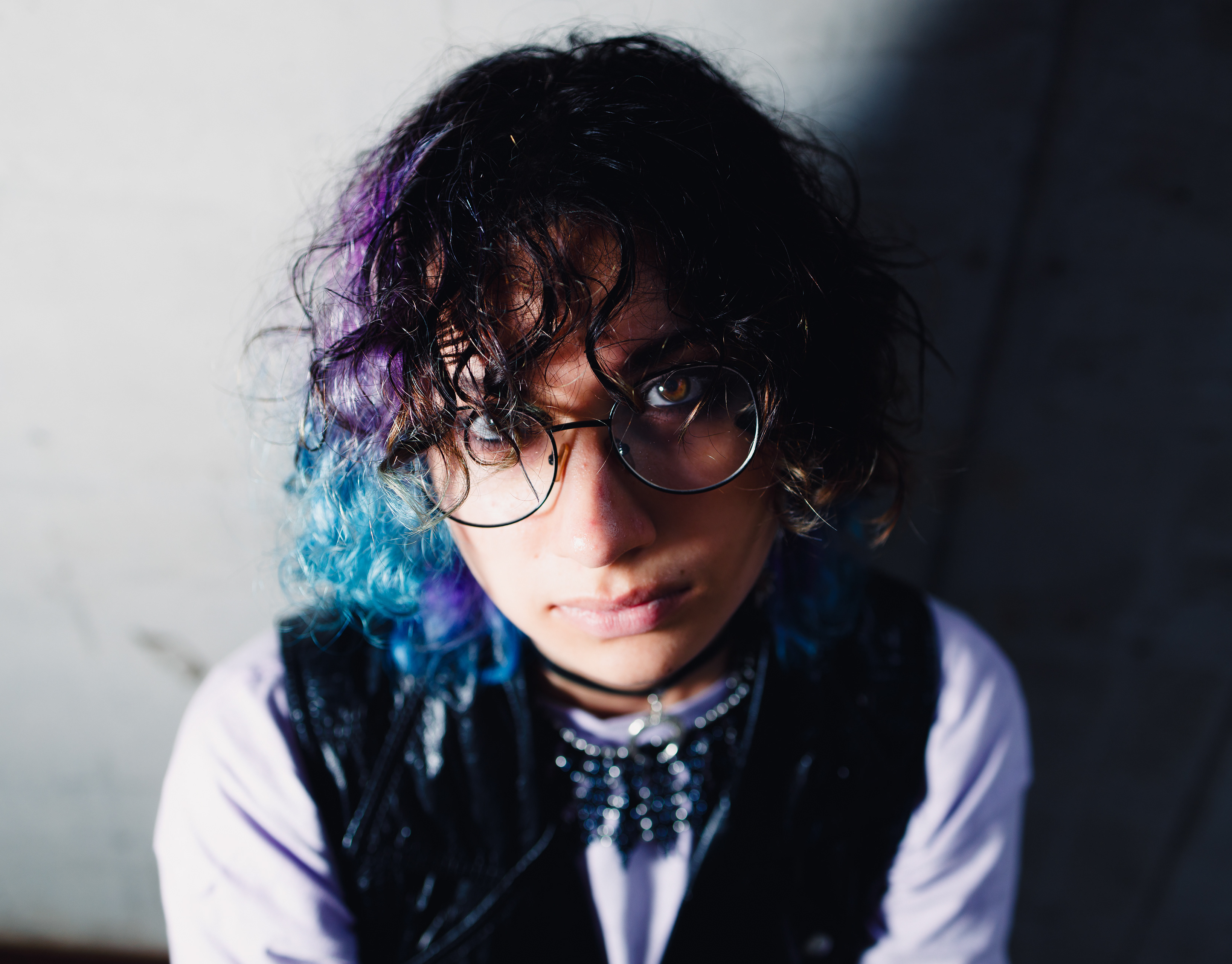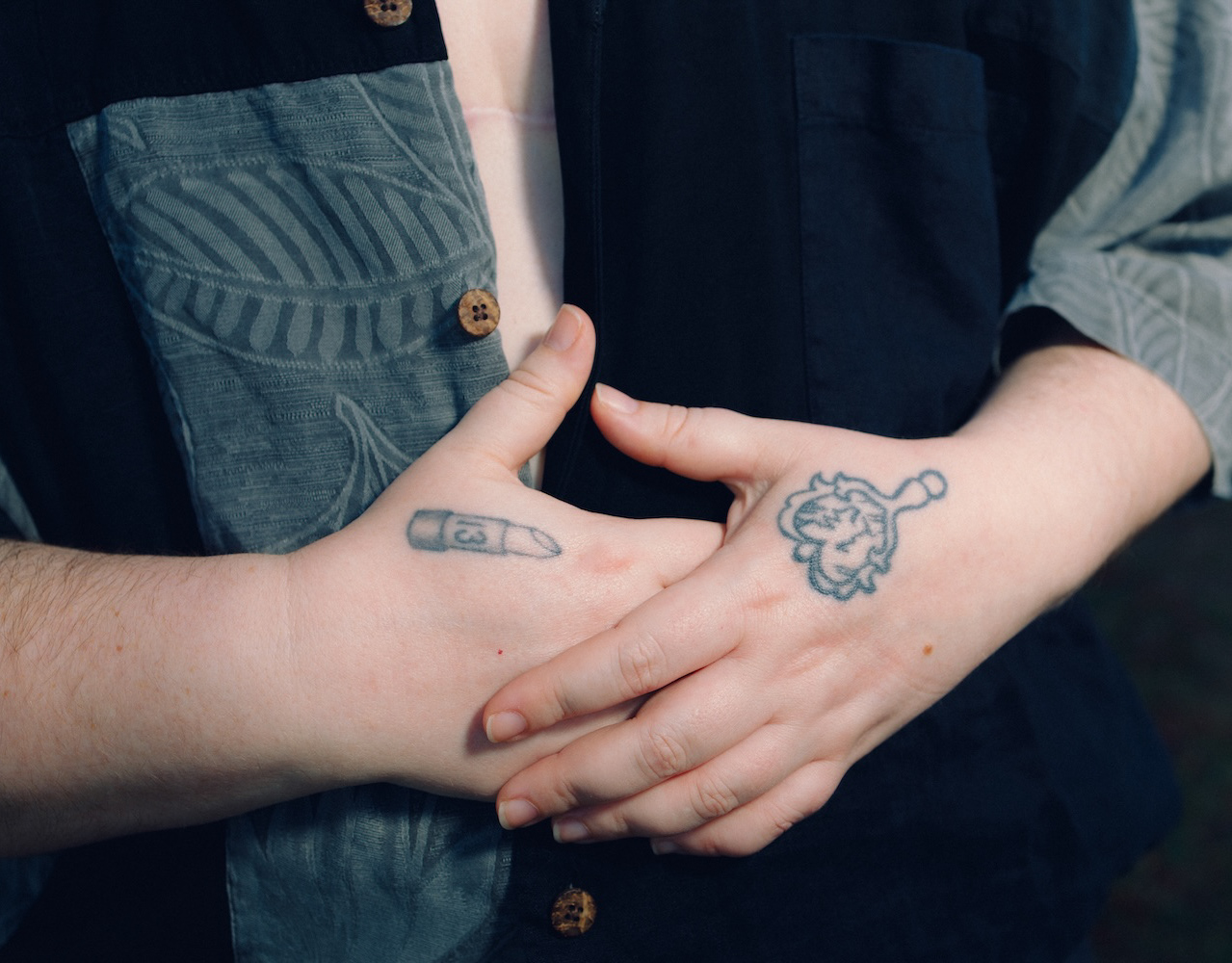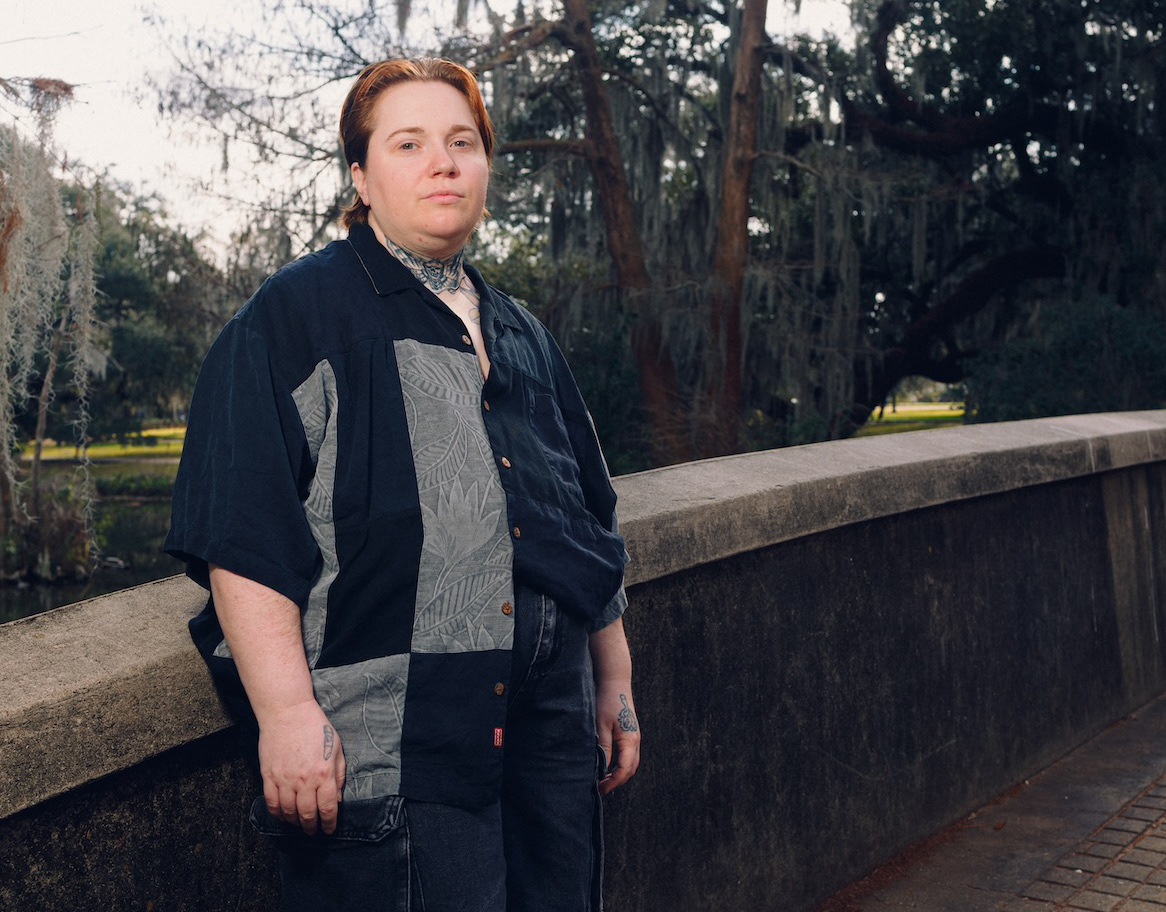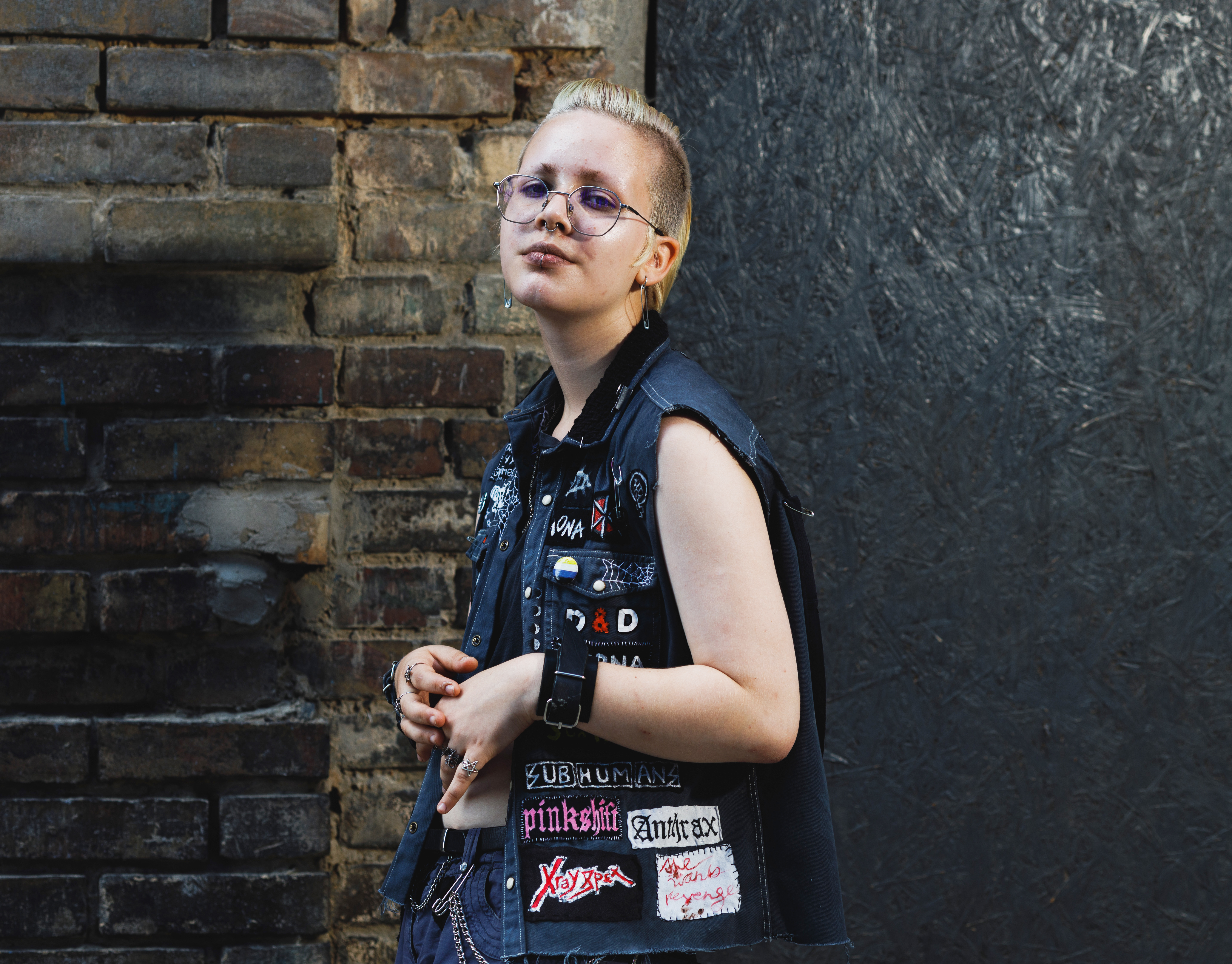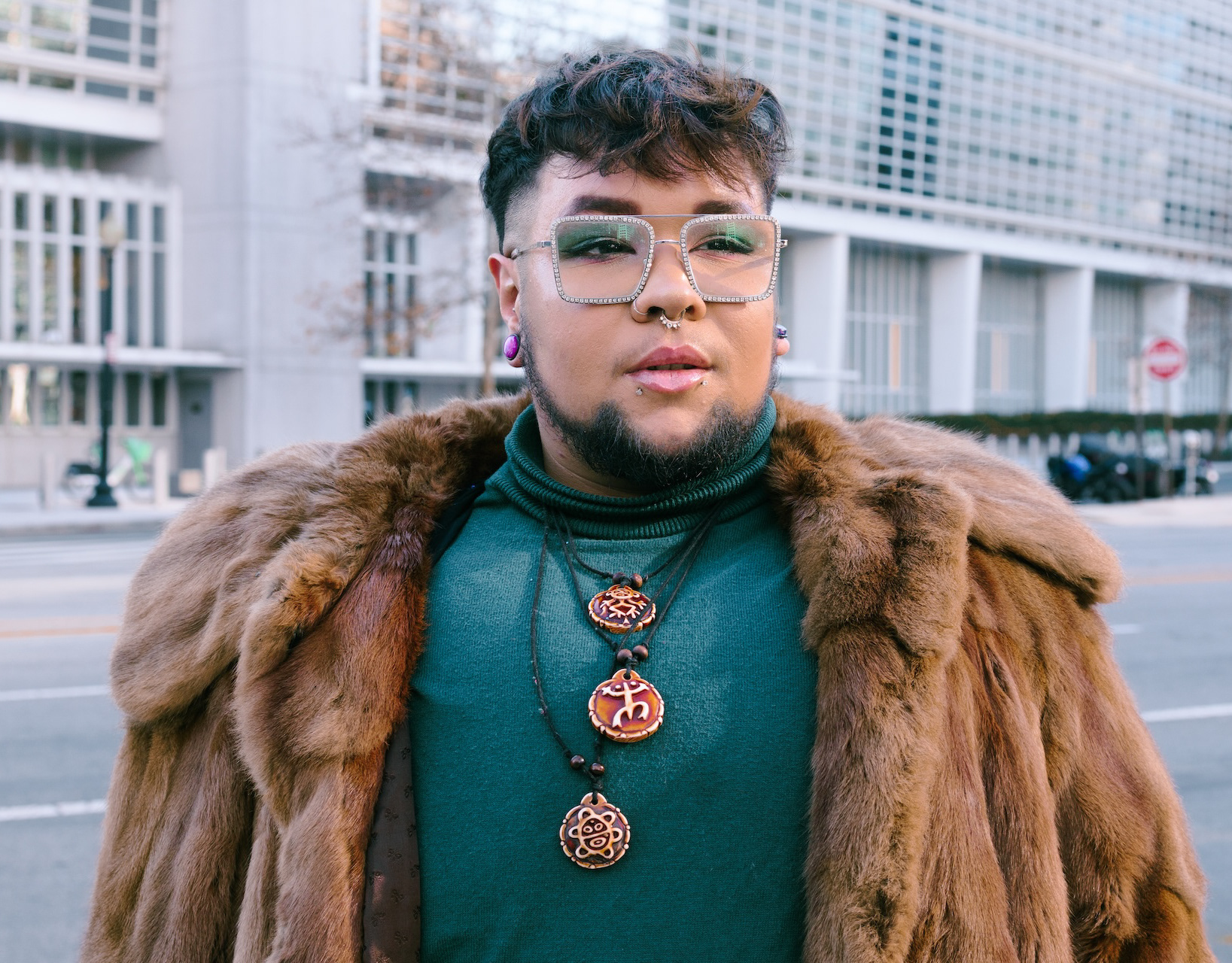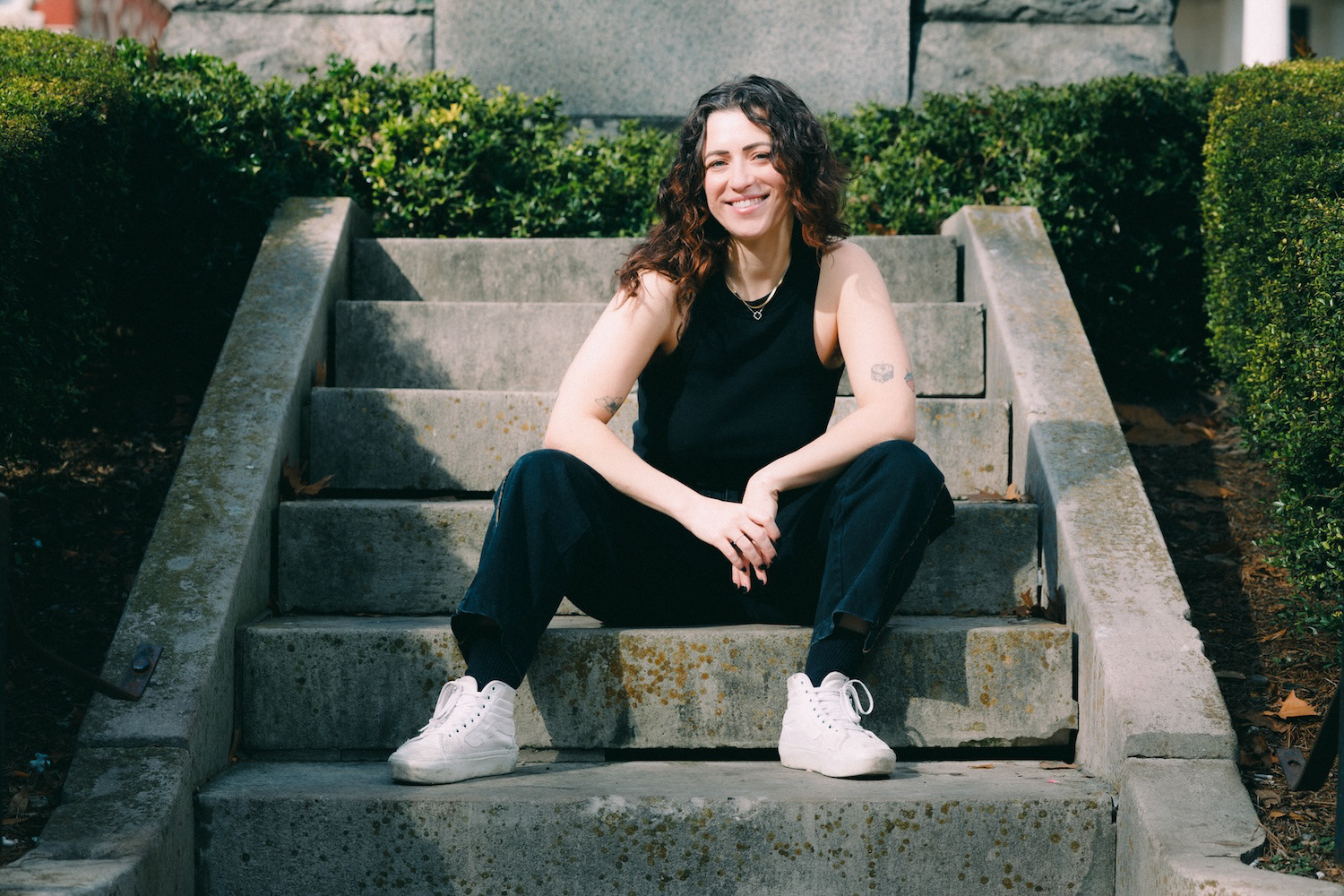
“Nonbinary is one of the terms I use for myself, but I’m most comfortable with ‘gender-expansive,’ because I also describe myself as a woman sometimes.” — Ariel (she/they), New Orleans, Louisiana, February 8, 2026. Photo by Saf Homin.
Ariel (she/they) is a nonbinary, gender-expansive writer and community member based in New Orleans. Through everyday life, work, and local queer spaces, they reflect on identity as something that develops over time while staying grounded in community, mutual support, and lived experience.
Could you introduce yourself and how you describe your identity?
I’m Ariel. I use she/they pronouns. I describe myself as nonbinary, though “gender-expansive” feels closer, since I sometimes also identify as a woman.
When I first started exploring being genderqueer, “nonbinary” didn’t quite fit. I didn’t like describing myself through a “non” term. What makes more sense to me is that my gender can change as I develop a deeper relationship with myself.
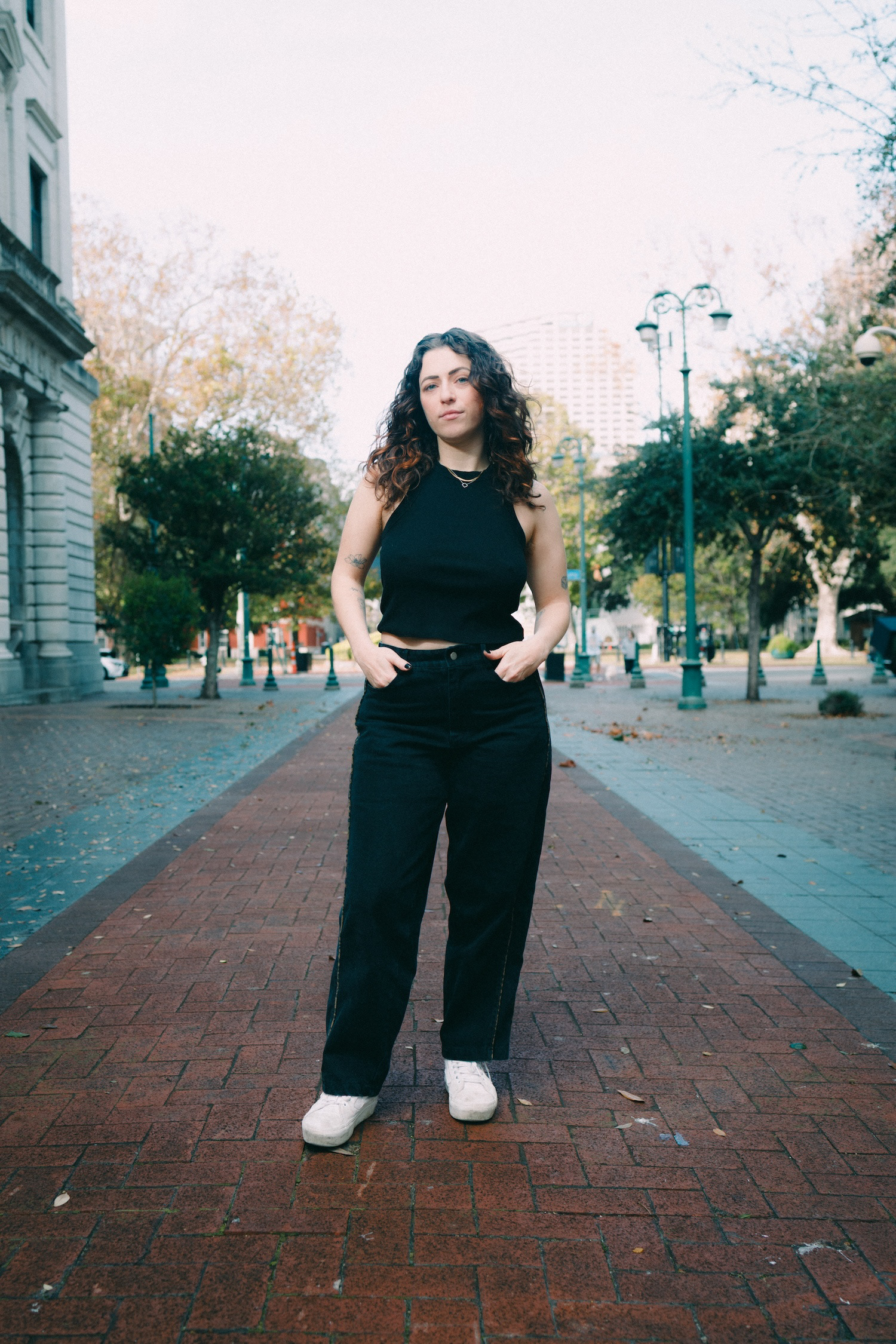
“I don’t see it as a point between two poles. I see myself outside that structure—and I think many people are.”
How did you come to understand that you’re queer, and later nonbinary?
I think it started about three years ago. If I go a bit further back, I was married to a man and didn’t imagine having a queer life. I thought that was for other people, and that I was just an ally.
Then my dad passed away in 2020 from COVID, and everything shifted. I realized I couldn’t stay in that marriage, and I started to feel a sense of freedom—like I could begin to explore who I am.
I first had to understand that I’m queer, that I’m a lesbian. I already knew nonbinary and trans people, but I didn’t see that as something that could apply to me. A lot changed through seeing other people’s experiences, especially online. It helped me recognize parts of myself I hadn’t named before.
Around the same time, I was also learning about my neurodivergence. Understanding that I’m autistic reframed a lot of things I had seen as anxiety or depression. I realized I had been masking for a long time, and a lot of that was tied to gender expectations.
Looking back, there were signs much earlier. I remember my dad saying, “That’s not very ladylike,” and thinking, “I’m not a lady.” I didn’t have the language then, but I knew those roles didn’t fit.
Are you out to your community or family?
Not really with my family. It’s complicated, and my parents aren’t in my life. My brothers and extended family know I’m gay, they know I’m a lesbian, but I haven’t really talked with them about my gender identity. I know it would turn into a fight. I don’t think they know any nonbinary or trans people. Maybe one day I’ll explain it.
I’ve gotten comments about my body hair. Growing out my underarm hair—and sometimes my leg hair—helps me connect to both being nonbinary and to identifying as a woman, because it’s just how my body is. Even that brings reactions from family, which makes me think I don’t need to explain more.
At work, I’ve been able to share that I’m nonbinary. That’s been surprising and meaningful—asking people to use different pronouns and connecting with coworkers who are also queer.
With friends, yes—I’m fully out. Online too. Sometimes it makes me sad that people expect nonbinary to look a certain way. I have long hair, people read me as more feminine, and they don’t always understand that you can look any way and still be nonbinary.
Have you experienced discrimination or misgendering, beyond family misunderstandings?
I’ve gotten comments about my body hair—mostly from men. It’s happened in New Orleans too, at a public pool or when I’m wearing a sleeveless shirt. And it’s like: why are you talking to me? Don’t bother me.
At work, I haven’t faced anything directly, but I think speaking up about inclusion can have consequences in corporate spaces. I remember a company event—we were supposed to be playing mini golf—and someone said, “Let’s make the teams boy-girl, boy-girl.” I just looked at her like, what are you talking about? She corrected herself, but moments like that still stand out. We’re adults—why does “boy-girl” matter? At the same time, I know that kind of reaction can be read as insubordination.
In everyday life, I notice when no one uses “they” for me. I use both, and I don’t have a strict preference, but if someone only uses she/her, it’s noticeable. I really appreciate it when people use “they” more, or alternate between the two.
Have you lived in New Orleans your whole life?
Mostly. I was born in New Orleans, but as a kid we moved to Abita Springs, just outside the city, across Lake Pontchartrain. I moved to Washington, DC for college—that’s when my queer awakening started, even though it was always there.
After college, I came back to New Orleans and have been here for almost 14 years.
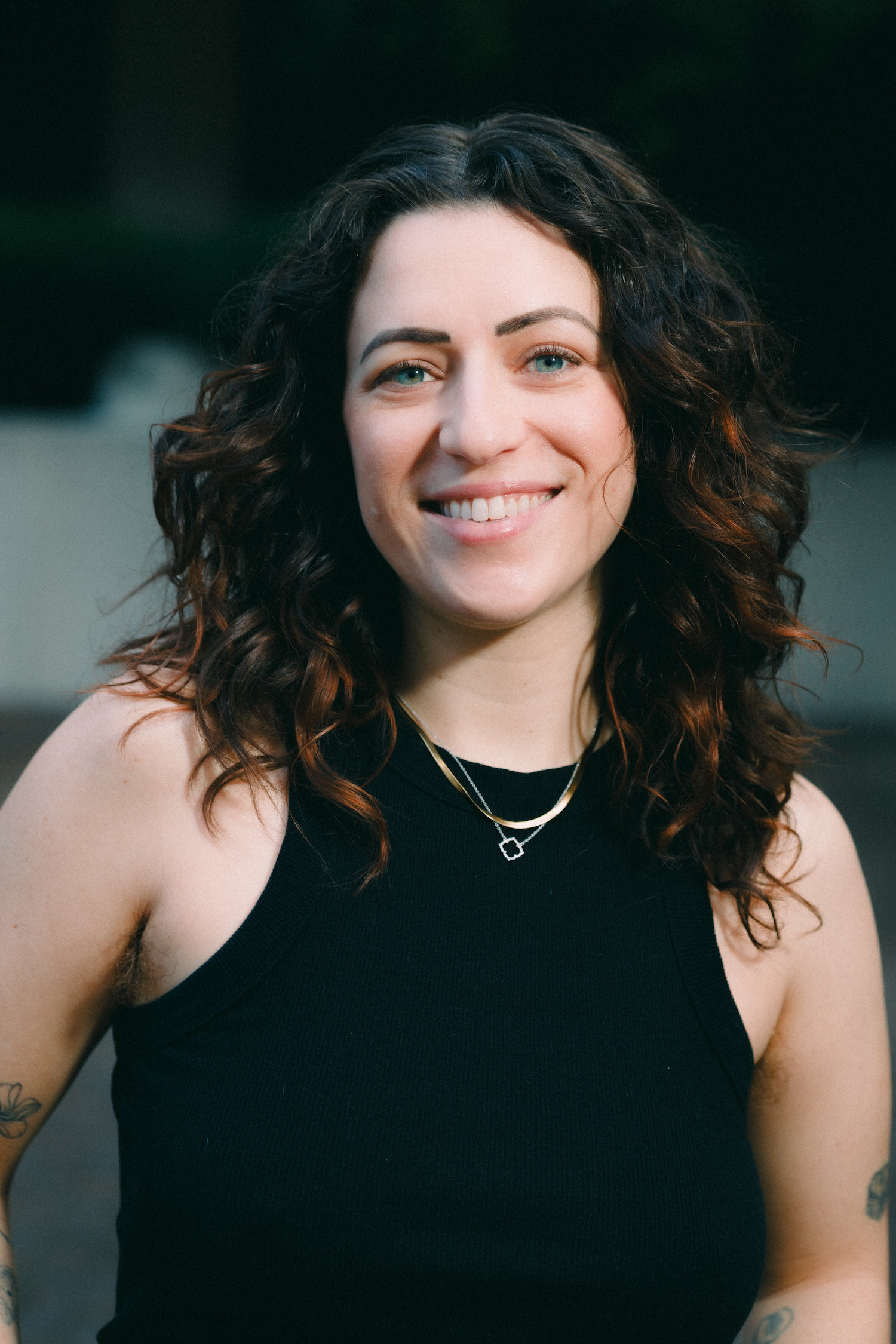
“For me, nonbinary means I can’t be defined by other people’s expectations. My gender is specific to me.”
How has queer culture in New Orleans changed over the years?
I think it has changed, but if you don’t know where to look, it can still feel hard to find. There are queer people in every neighborhood. After my divorce, I moved to Bywater and the Marigny, which are strong hubs for queer community.
Before that, I lived Uptown. It’s beautiful, but more cis-het, more white, and fairly homogenous. When I first came out, I didn’t know about queer events or spaces. I had one close queer friend, and when she moved away, it felt isolating. I’m shy and introverted, so it took time to build connections. Now I’ve found a community that feels active and present.
A lot happens in Bywater and the Marigny, but people are in Mid-City and the Treme too. Queer and nonbinary people are everywhere here. I feel supported. There’s a mix of locals and people who moved here, and a lot of creative energy.
New Orleans already has an open, expressive culture, and many people come here because they feel safer than they would in smaller towns. Compared to larger cities like New York, it feels more close-knit.
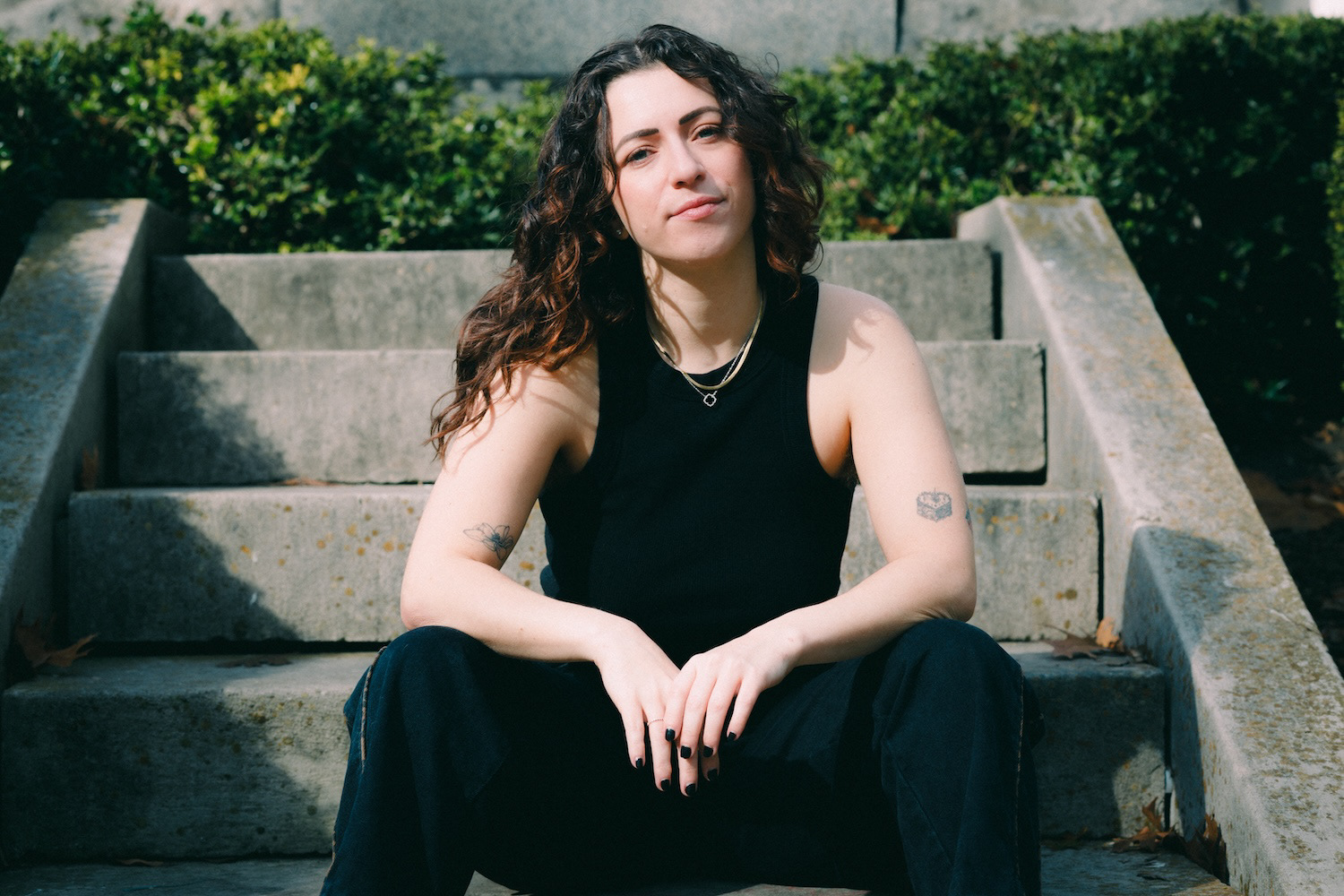
“Looking back, there were signs much earlier. I didn’t have the language, but I knew those roles didn’t fit.”
What supports you during politically challenging times in the US?
That’s a big question. I’ve had to learn how to ground myself. As I’ve explored my queer identities, I’ve also developed a sense of spirituality. I didn’t really have that before, but things like astrology and small personal rituals help me stay connected to my body.
Community is the other part—close friends, where I can ask for support and offer it in return. Beyond that, there’s the broader local network. There are many organizations here doing mutual aid and supporting each other.
For example, there’s an upcoming org fair with dozens of local groups where you can learn more and get involved. One is NOSHIP, which organizes around port activity in New Orleans. Another is Below Sea Level Aid, which focuses on harm reduction and distributes testing kits and Narcan.
I try to support this work where I can—through donations, time, or sharing information. Being online can feel overwhelming. It’s constant exposure to crisis. At the same time, it can help people connect and make local efforts visible.
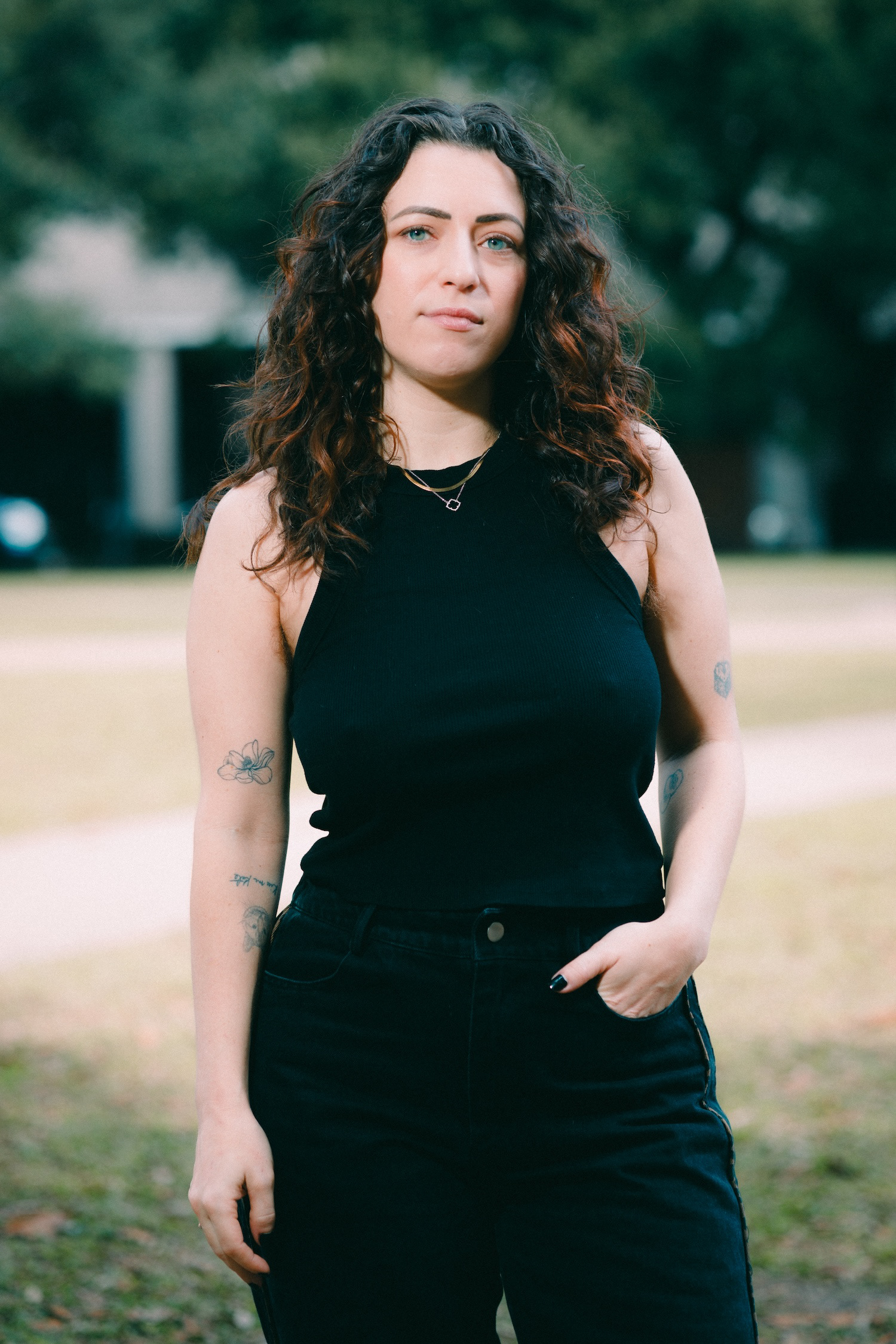
“Take time to define yourself. This is the only life you have.”
You go to queer events and take part in queer programming?
Yeah. There are a few things I’ve been part of. One of my favorites—though it doesn’t meet as often now—is Pillow Talk at Anna’s, a bar that hosts a lot of queer programming. It’s a space for queer writers at any level. People read poetry, essays, or excerpts, and the atmosphere is very supportive. You hear raw, personal stories—sometimes funny, sometimes explicit. I read there a few times, and it meant a lot.
There’s also a sapphic dance-party pop-up called Her Haus. It skews younger, but when I first came out it felt like The L Word. I didn’t get to be openly queer in my 20s, so it was just fun. One of my close friends, Hudson—who also goes by DJ Billy Gay Cyrus—DJs there. They also organize a queer honky-tonk with country music and dancing, and have been part of Fringe Disco, which includes burlesque and drag.
There was an event called Big Gay Baby for newer drag and burlesque performers. I did my first—and so far only—burlesque performance there.
The AllWays Lounge on Saint Claude hosts regular drag, burlesque, and storytelling events, including a monthly series called Stories From Queer Mountain.
There’s more than I can name, but there’s something happening almost every day. It’s not just parties—there are also community events and mutual aid efforts, including fundraising for gender-affirming care and housing. It took time for me to find these spaces. I didn’t realize how much existed until I started showing up.
Any final thoughts you’d like to share?
I think gender identity is something everyone should question. It’s a constructed system. Given that, I would rather define my own gender than accept one assigned to me. We live in a world that pushes people into fixed categories, and it’s worth examining that.
Question what you’ve been given, and take time to define yourself. This is the only life you have.
Interview conducted in New Orleans on January 8, 2026.