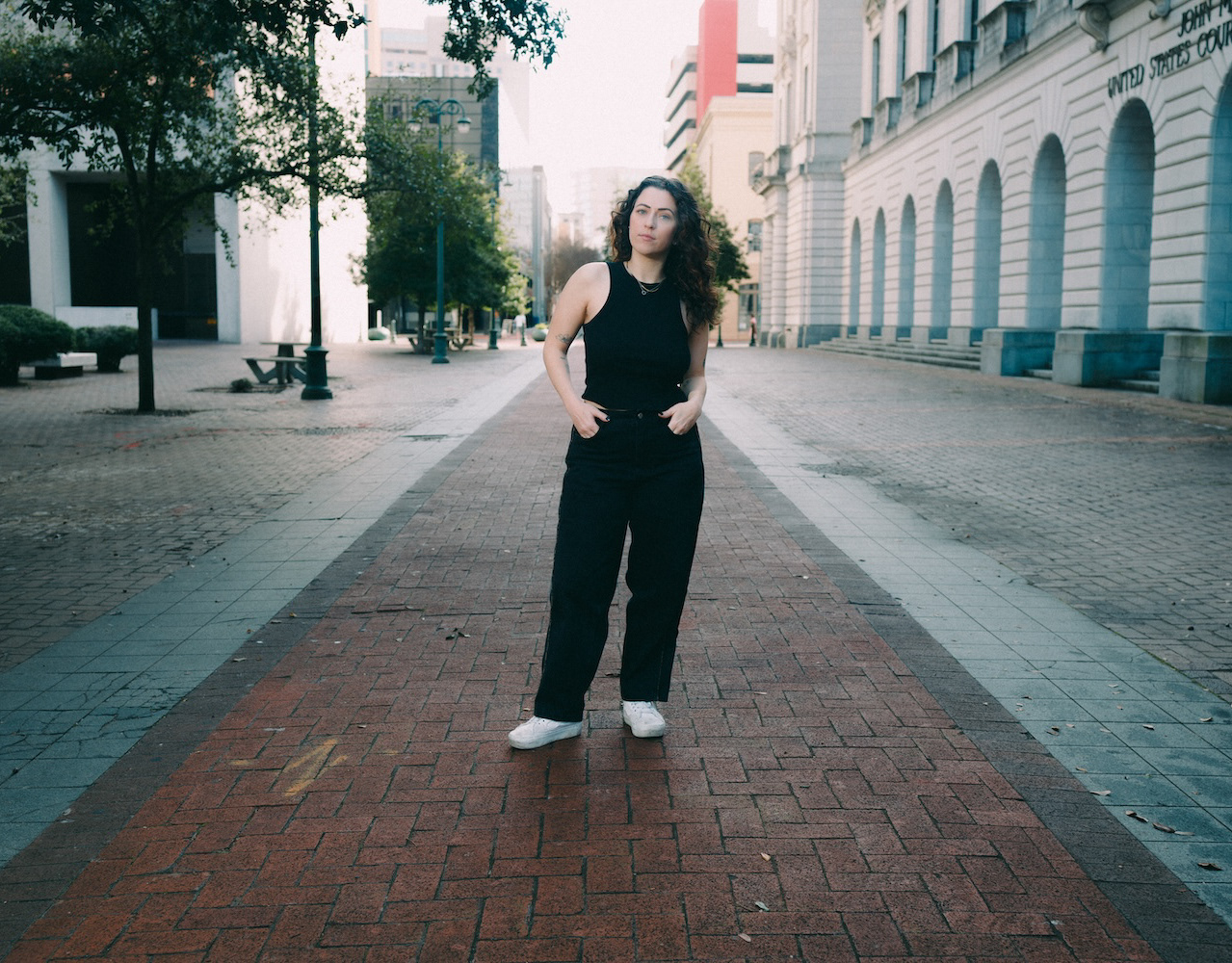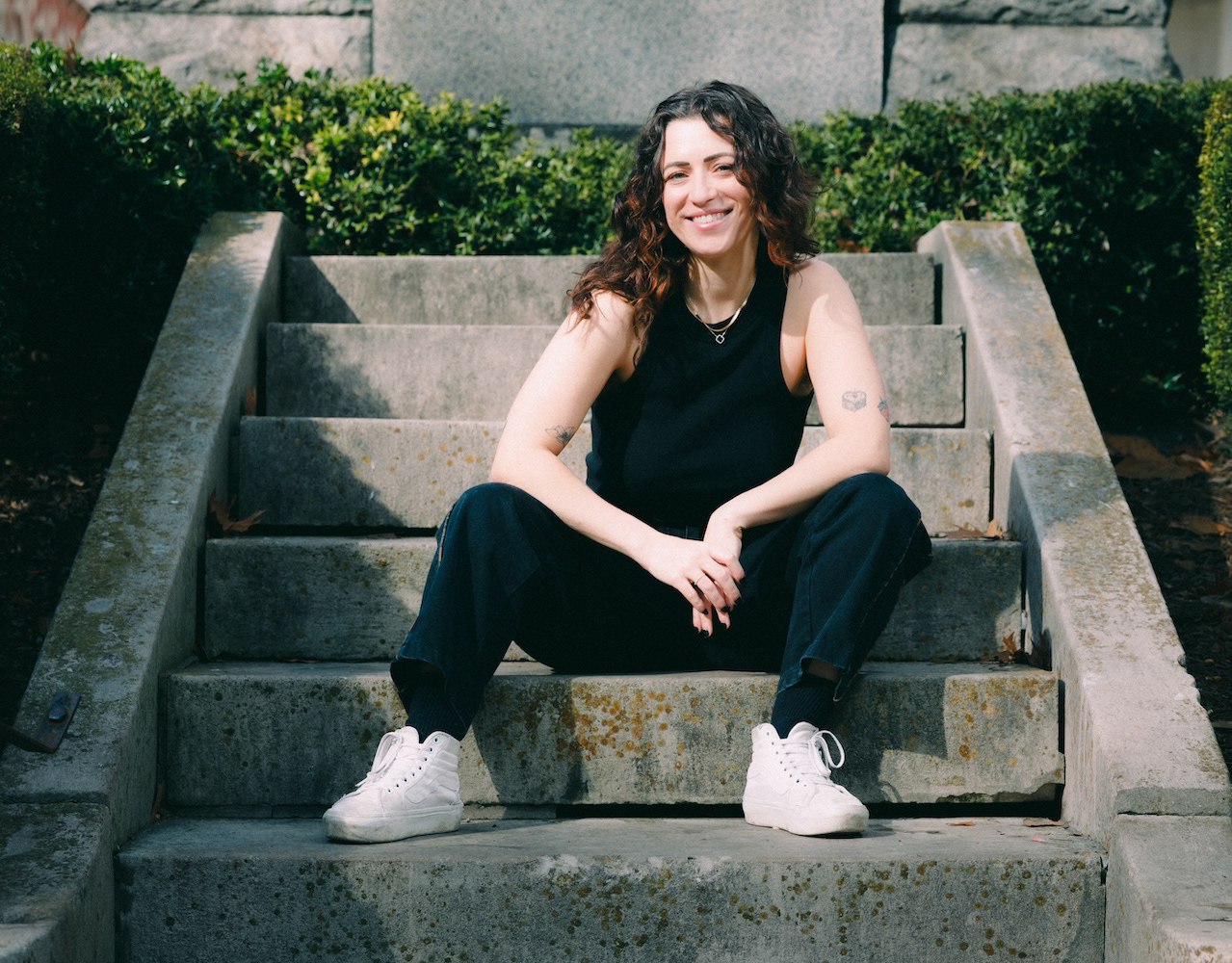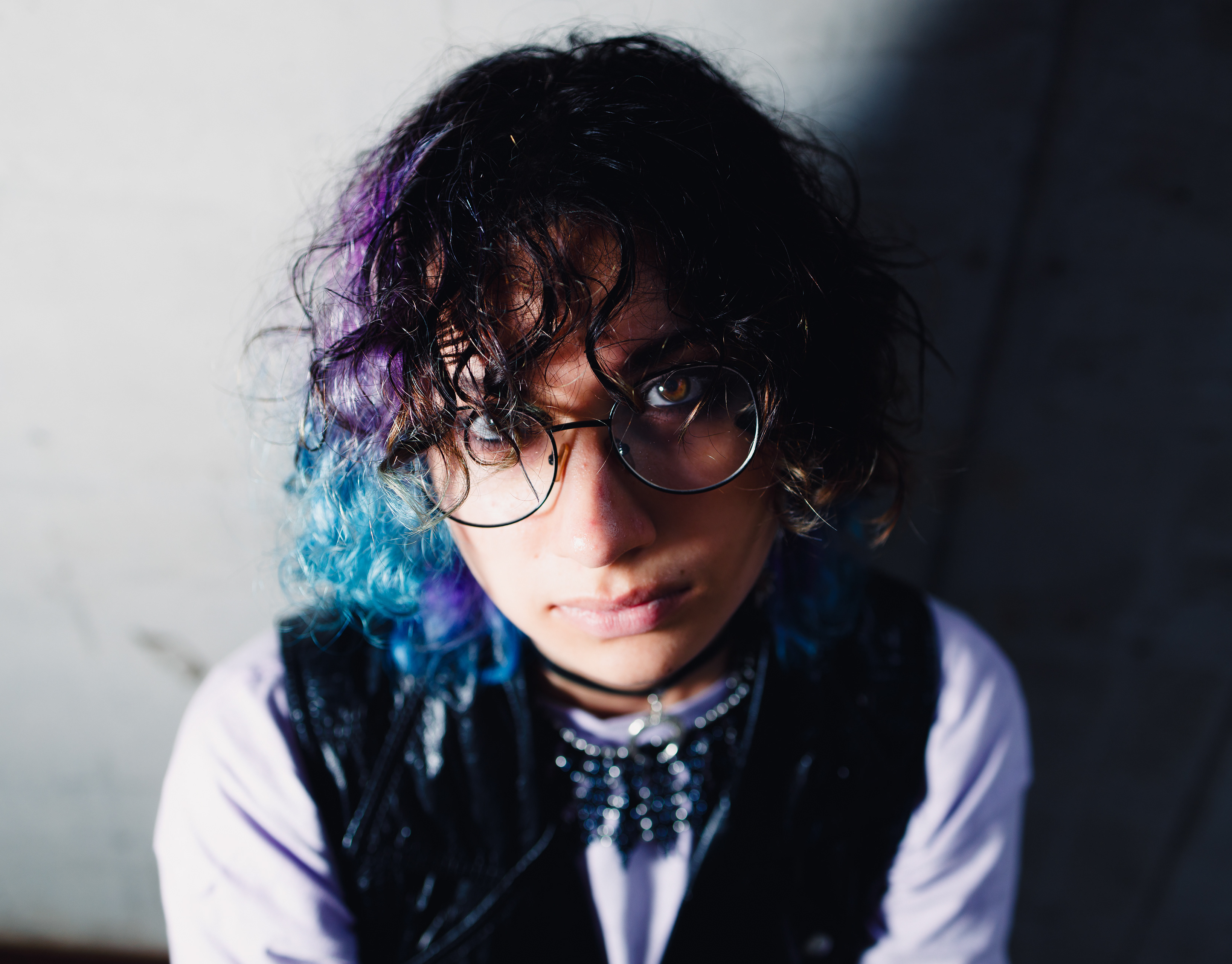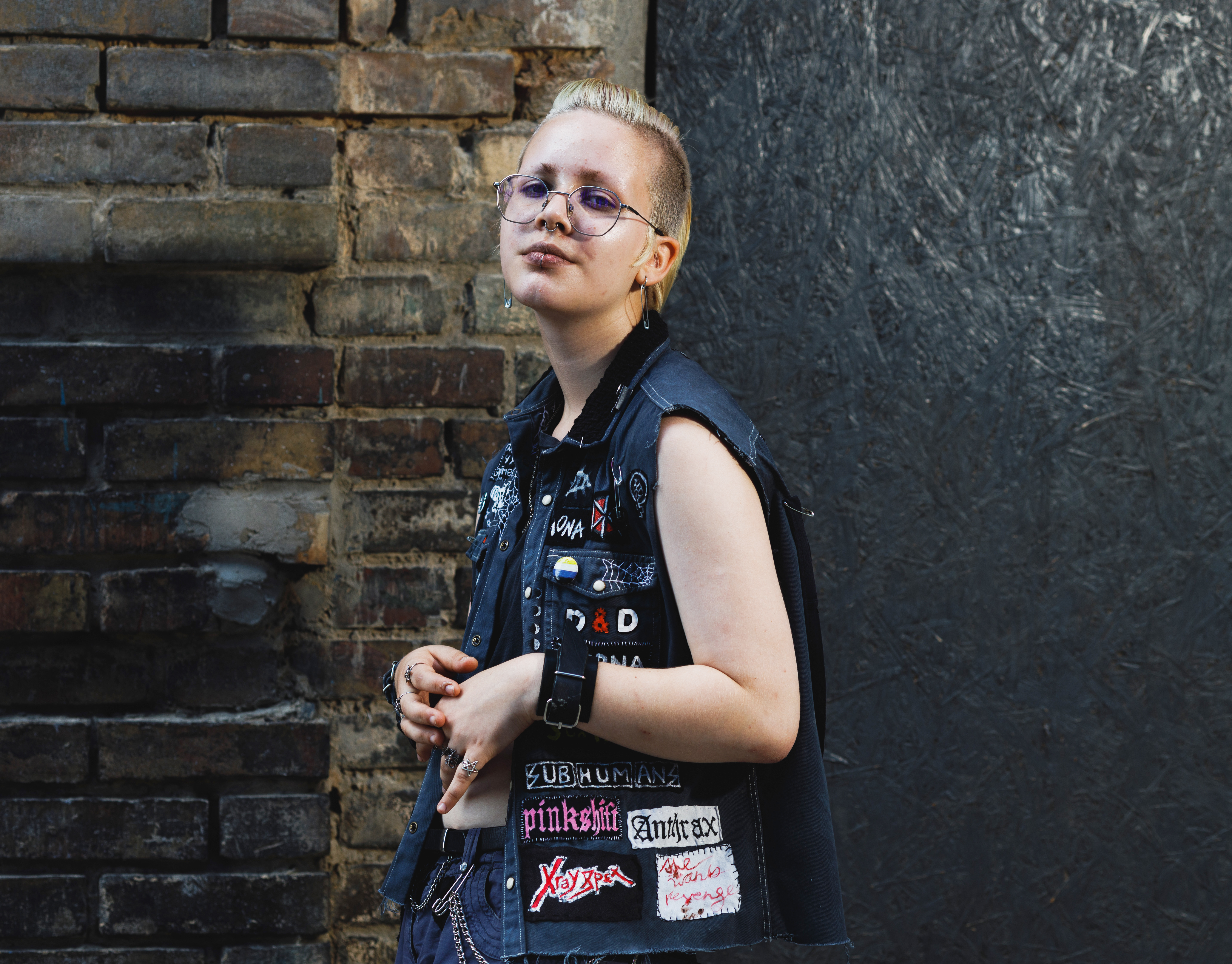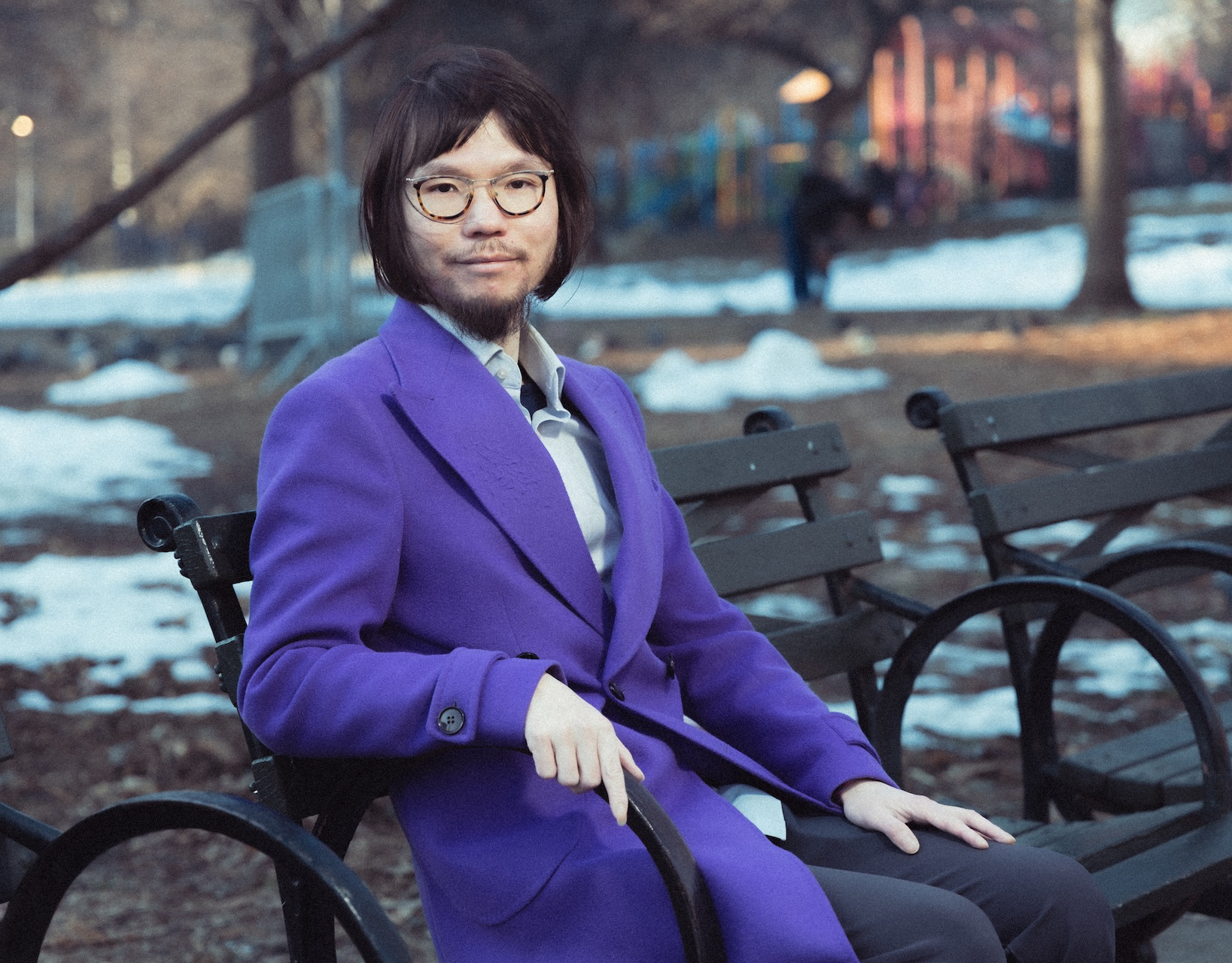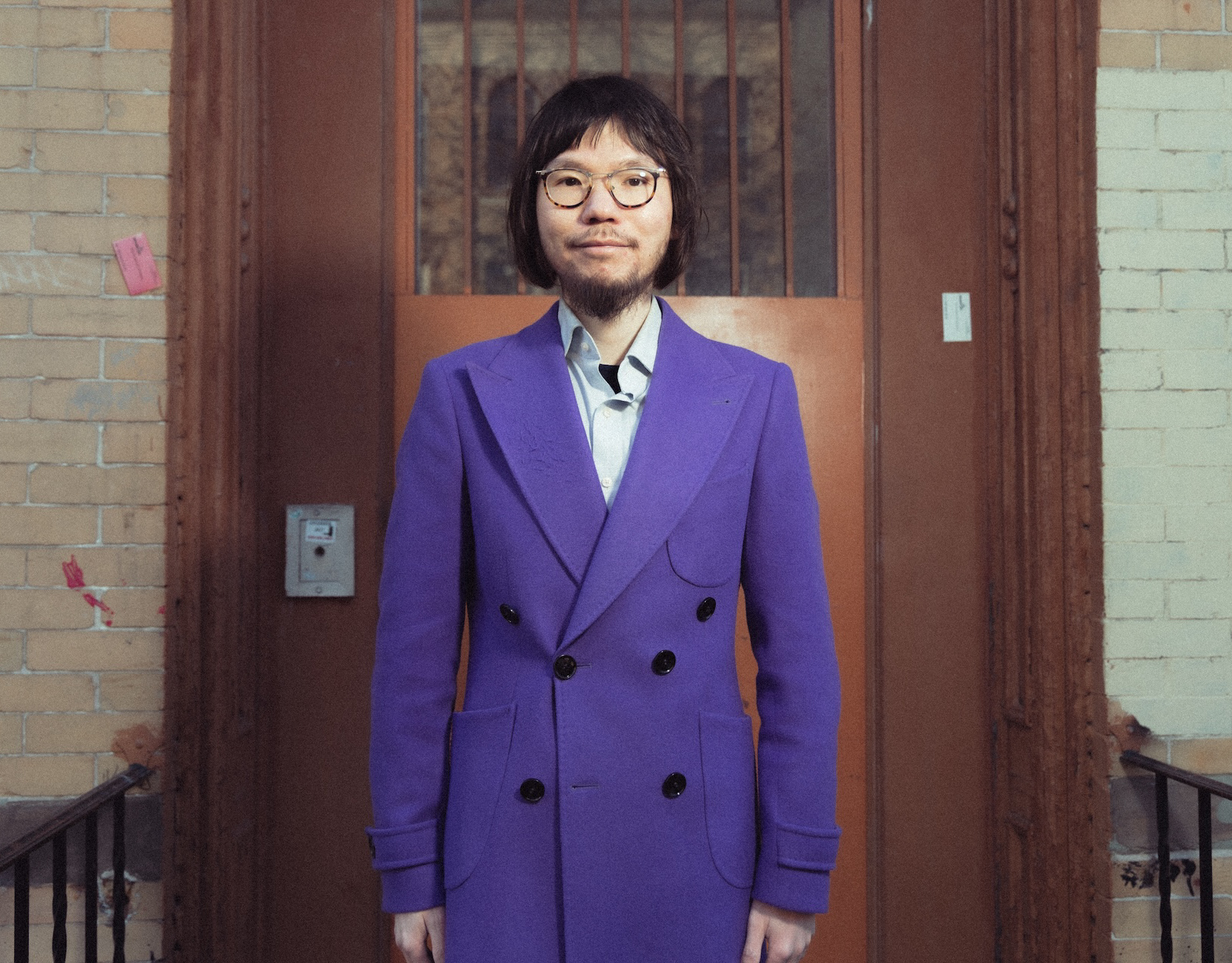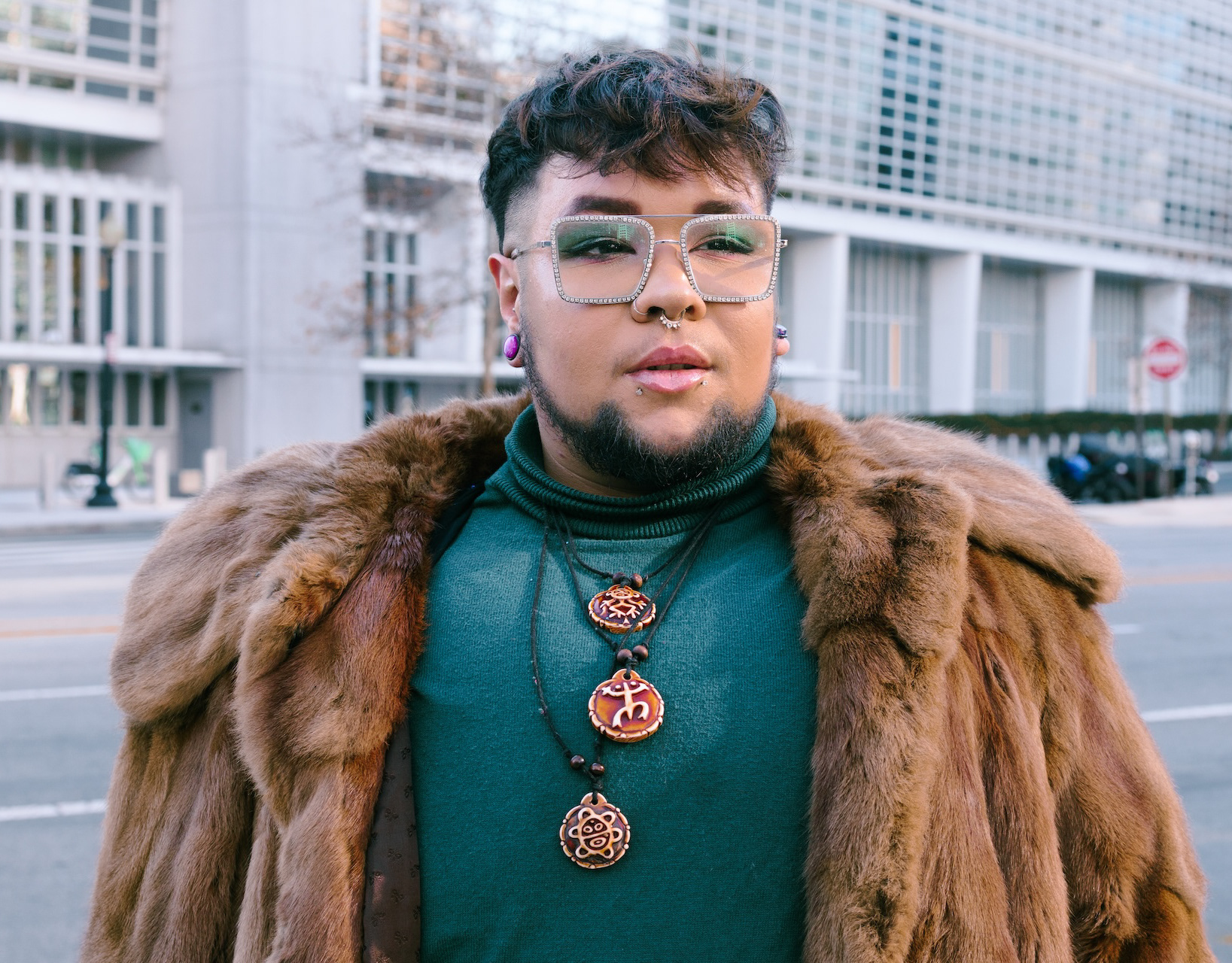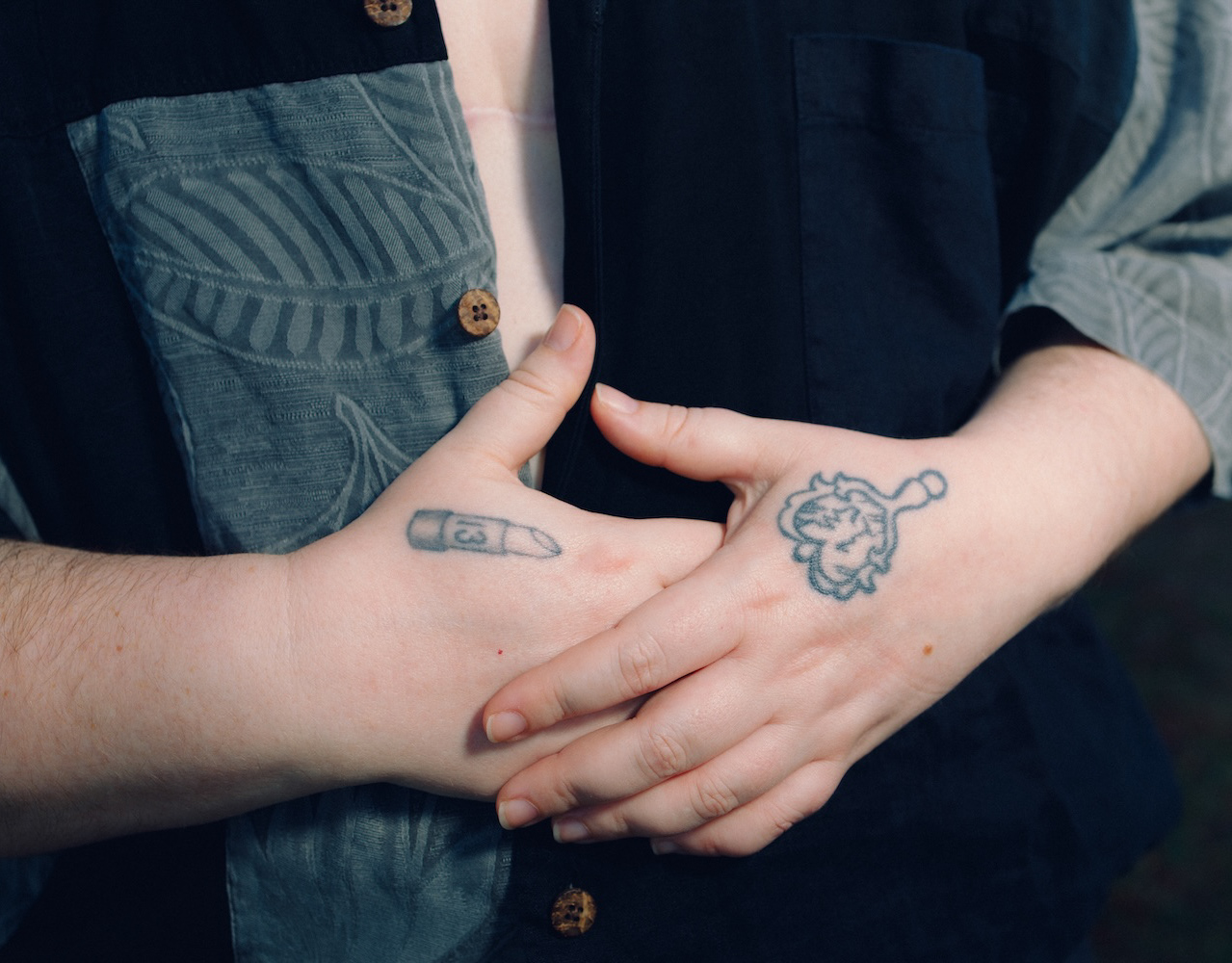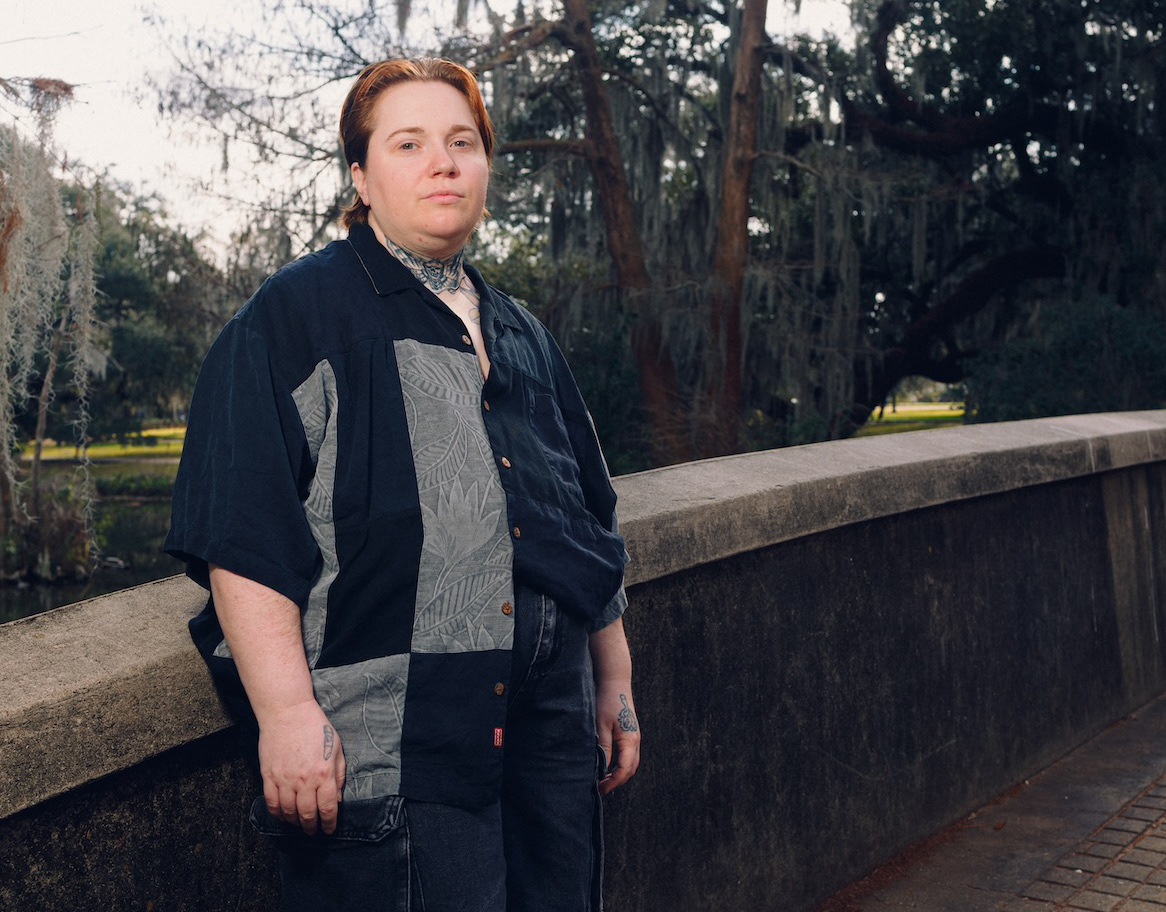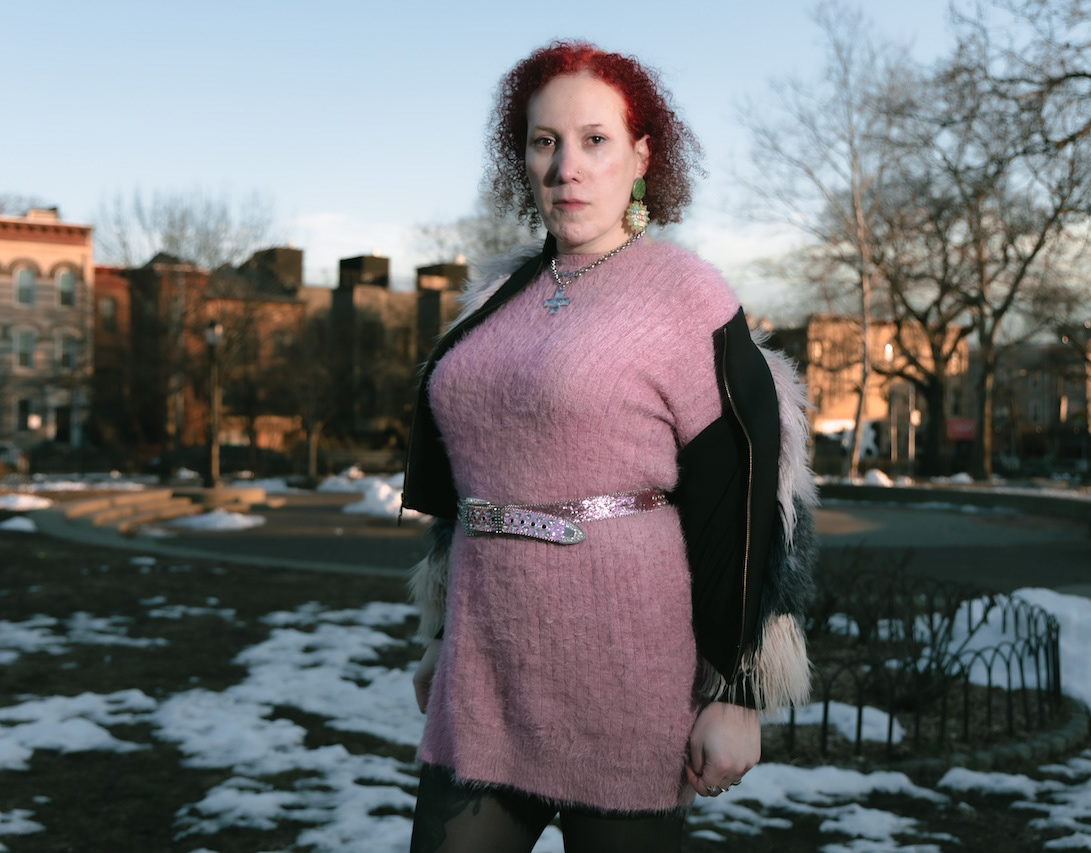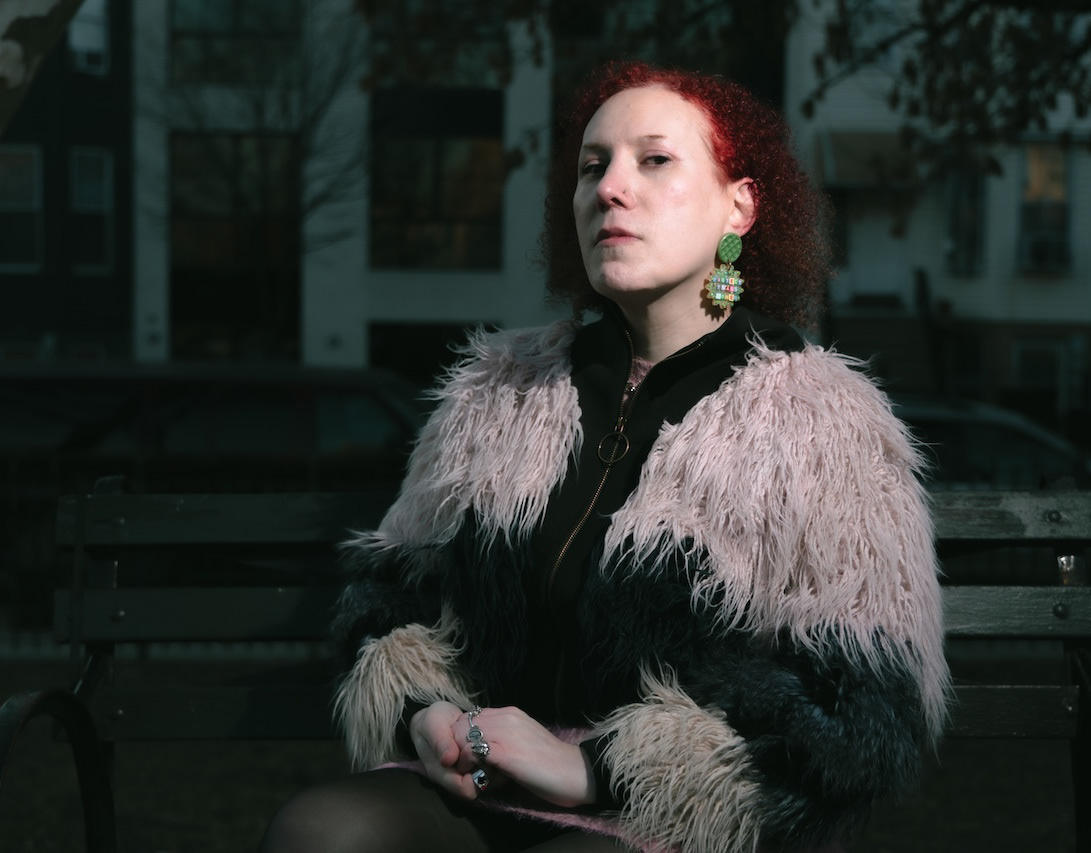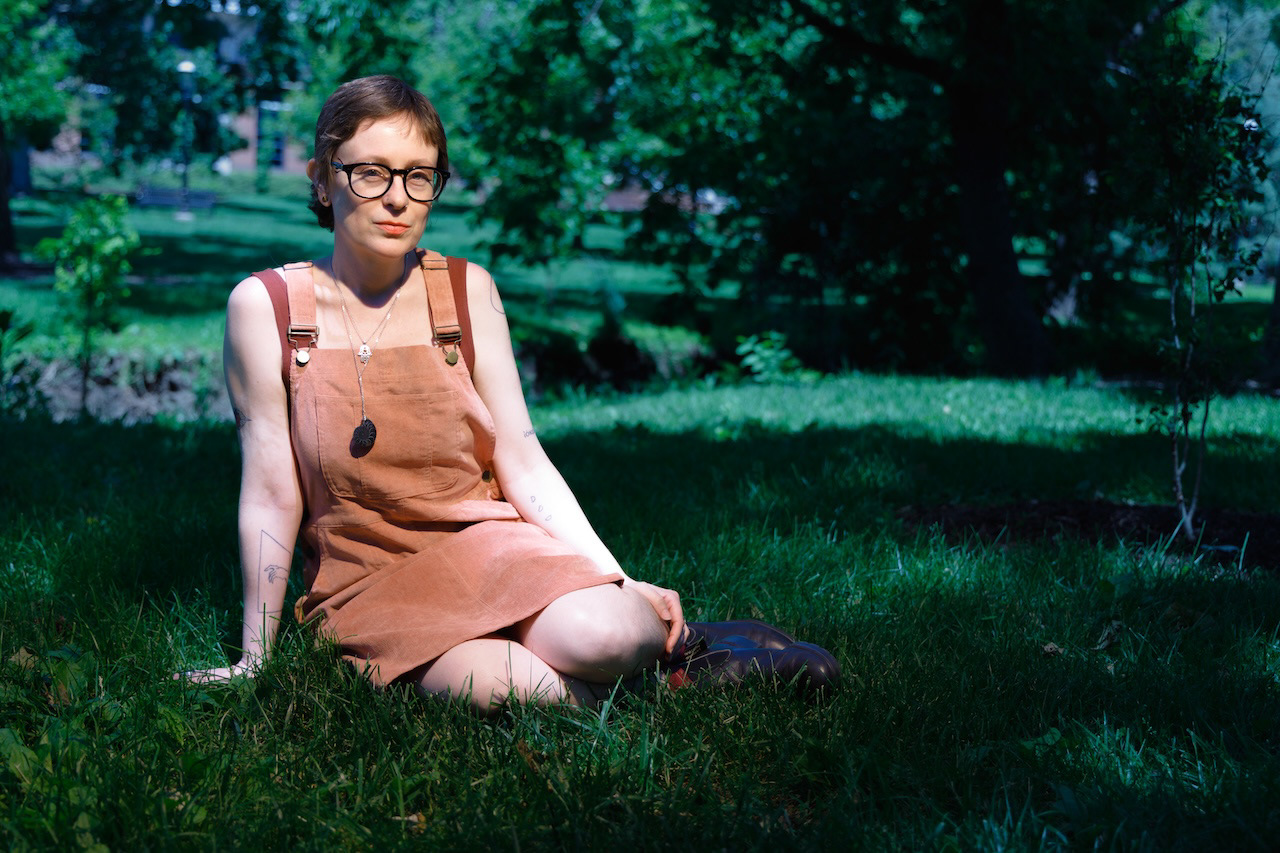
“I was recognizing that my identity was non-normative. That realization affected how I related to the world, my body, my friendships, my community, and my values.” — Cass (they/them), Columbia, Missouri, May 14, 2026. Photo by Saf Homin.
Cass is a nonbinary writer and co-founder of Nightjar Arts Collective. Their writing explores queer, nonbinary, and trans lives, relationships, grief, and loss. Drawing from their own evolving experience of gender and queer community, they reflect on identity, visibility, and the ways literature, art, and personal conversations can create connection and understanding.
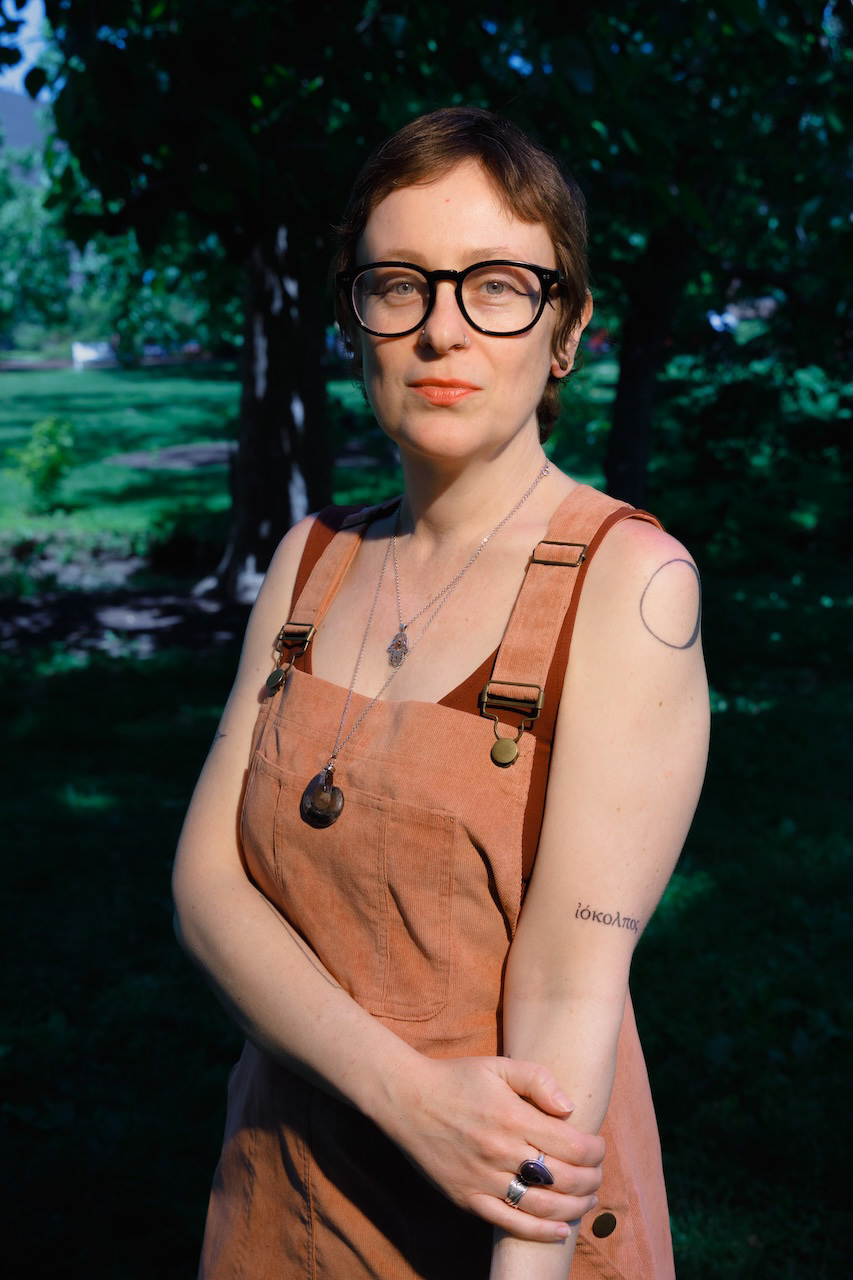
“I began to recognize that I wasn't cis. In 2019, I came out as nonbinary and changed my pronouns.”
How did you understand that you are nonbinary?
I've been thinking about this recently because it was ten years ago, in 2016, that I started coming out as queer, and eventually as nonbinary.
It started through a romantic relationship where the two of us were exploring our identities together. My life up to that point had mostly looked straight and cis, but looking back, I'd had queer experiences probably since I was a teenager.
What I was trying to communicate wasn't simply that I was attracted to women. I was recognizing that my identity was non-normative. That realization affected how I related to the world, my body, my friendships, my community, and my values.
When I first came out as queer, I already knew gender was part of that realization. I started having conversations with my partner and friends, and I spent a lot of time reading. I began to recognize that I wasn't cis.
In 2019, I came out as nonbinary and changed my pronouns. In 2021, I started going by Cass instead of Cassie and changed the name I publish under as a writer.
It's still an evolving experience of finding language that feels comfortable and figuring out how I want to signal who I am in public spaces.
How does your gender experience impact your writing?
I write a lot about queer, nonbinary, and trans lives and relationships.
My partner Kelly died by suicide in 2020. She was trans, and we went through many parts of our coming-out experiences together. My most recent poetry collection is about losing her. Grieving her has been an incredibly difficult experience, but our relationship was also transformative, full of joy and love and discovery.
I write about these issues frequently, and I'm fairly visible in some of my communities as a nonbinary writer. I've spoken publicly about suicide loss, which can be difficult.
When I read from my work in spaces that feel very cis and straight, sometimes it feels as though queer and trans grief becomes a spectacle. I find that exhausting.
When I'm reading in queer spaces, I feel embraced. It feels connective instead of draining.
Do you spend more time in queer or straight communities?
More queer and trans community, especially as I've gotten older. That's what I've intentionally sought out over the last decade.
I still have a lot of straight community through my work as a writer, through academia, through childhood friends, and through college friends. My relationships with some of those people have changed in ways that can be painful.
But many cis and straight people in my life are supportive and affirming. Still, I actively seek queer and trans community. If I'm spending too much time in spaces that feel entirely straight, it’s like a part of me becomes invisible. It can feel alienating.
When you say that part of you becomes invisible, is that connected to pronouns?
Pronouns are part of it. I think they/them pronouns can be difficult for people who haven't spent much time around nonbinary folks.
But it's more than pronouns. Sometimes people assume everything about you is the same except your pronouns. They may not recognize that you experience yourself differently than you once did.
I think binary trans identities can be more legible to people, which comes with its own difficulties. When someone is nonbinary, many people don't know what to do with that information. They don't have a framework for understanding it.
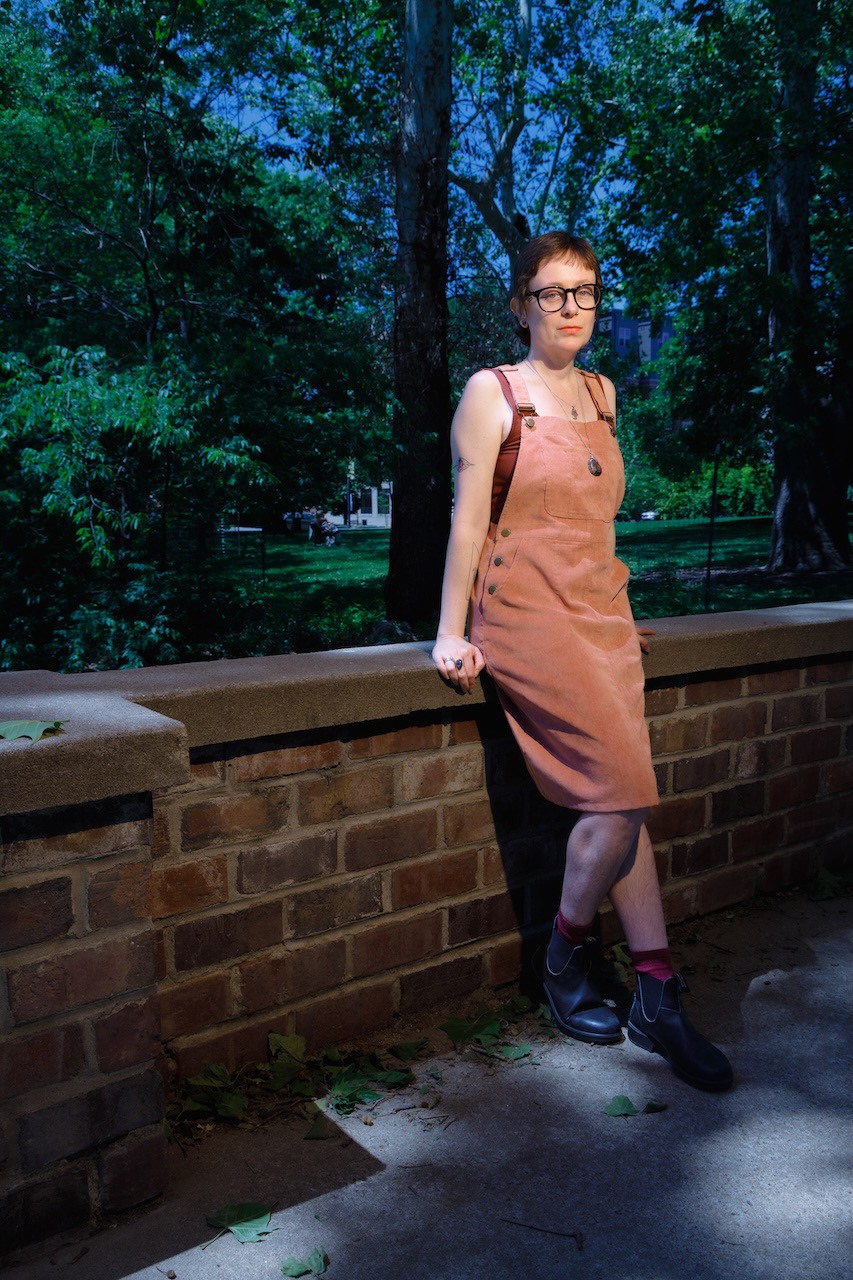
“If I'm spending too much time in spaces that feel entirely straight, it’s like a part of me becomes invisible.”
What can help people understand nonbinary experiences if they aren't exposed to these conversations very often?
Personal conversations can be very impactful. They can genuinely change the way someone thinks.
Literature is another important place to turn. Conversations, literature, media representation, and film all contribute to changing public understanding.
At the same time, representation can be superficial. Sometimes a film includes a nonbinary character without really exploring their experience in depth. That doesn't always create deeper understanding.
The current political climate makes these conversations especially difficult. Because of anti-trans legislation and growing hostility, I think people who might otherwise be exploring their gender are more reluctant to do so.
Then again, I know a lot of people who are currently coming out.
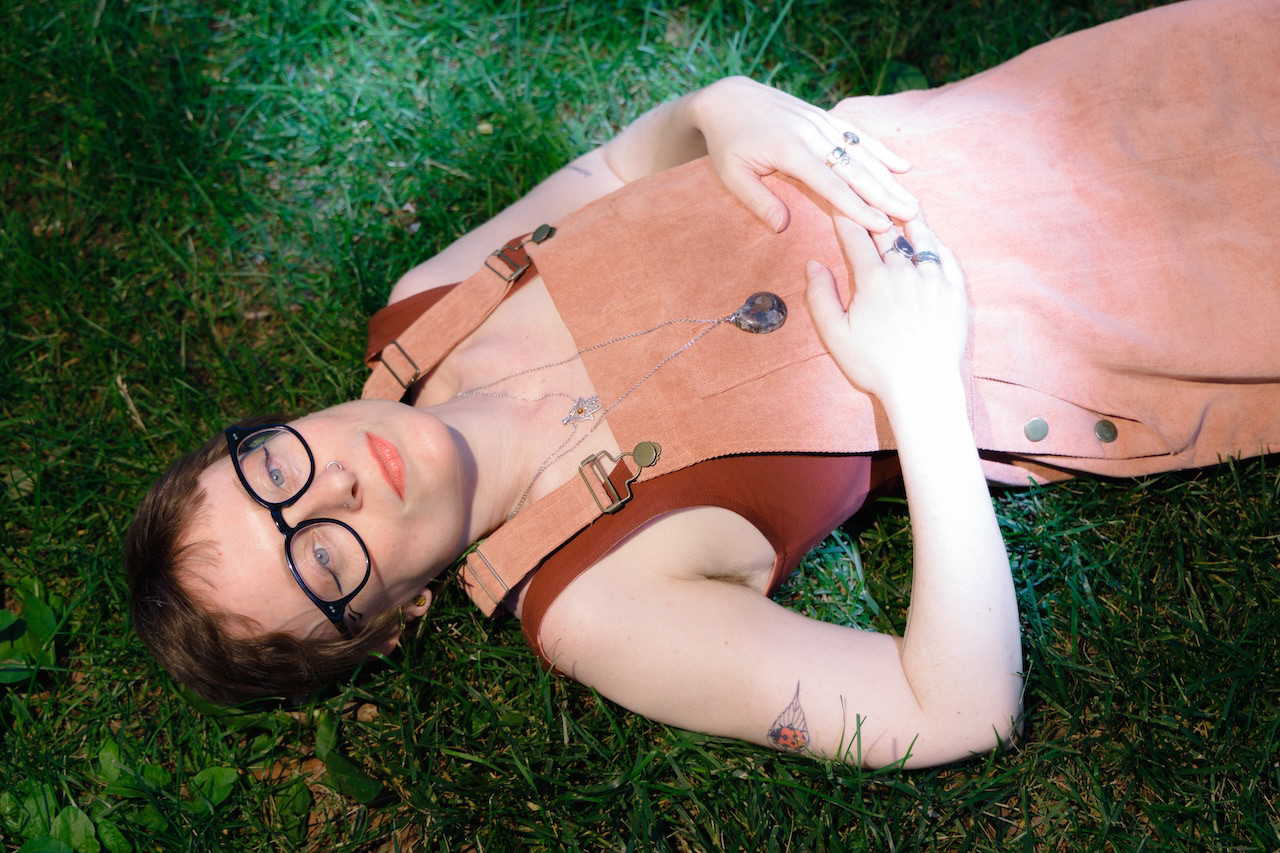
“When I first came out as queer, I already knew gender was part of that realization.”
What supports you in this climate?
Spending time with nonbinary and trans friends feels vital. We help each other survive and feel connected.
I also spend time with my spouse and our four cats, and I try to maintain routines that keep me grounded and present.
It's important to remember that we still have agency. There are moments when I feel powerless, but I try to hold on to that belief.
I'm one of the co-founders of Nightjar Arts Collective, where we organize exhibitions, readings, and other events for LGBTQ+ and BIPOC communities.
Creating art and culture together helps. It reminds us that we have the ability to build community and imagine the futures we want, together.
Interview conducted in Columbia, Missouri, on May 14, 2026.