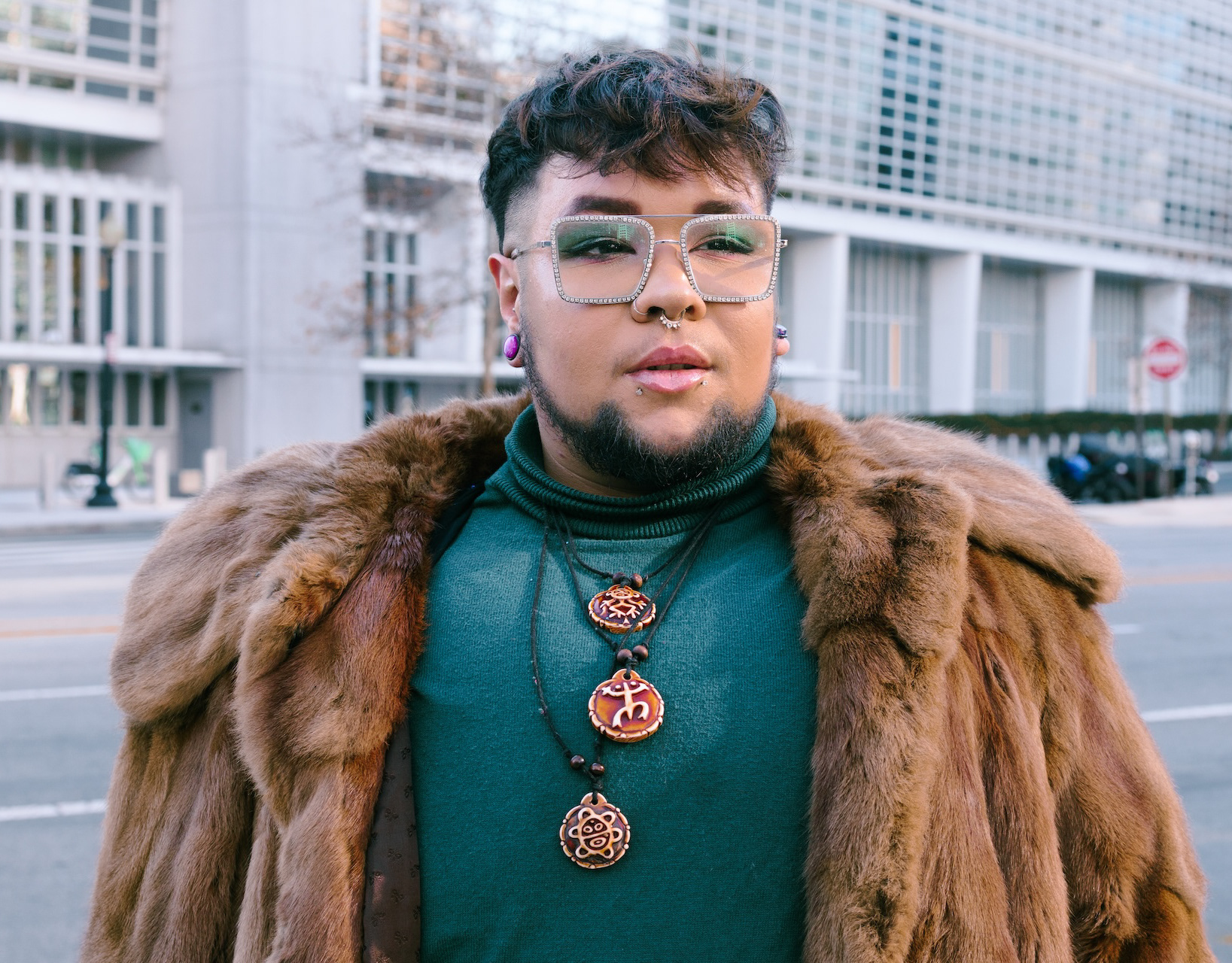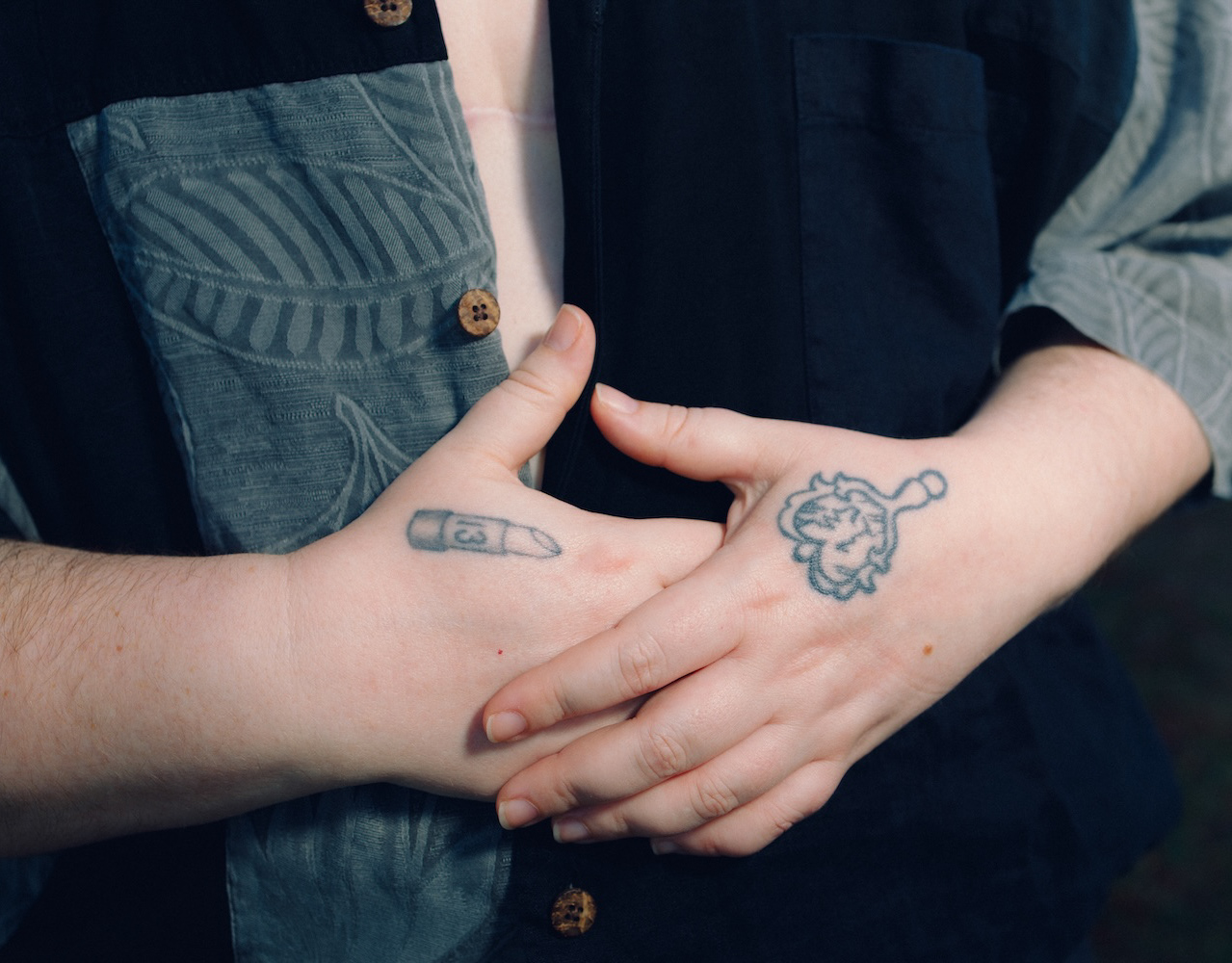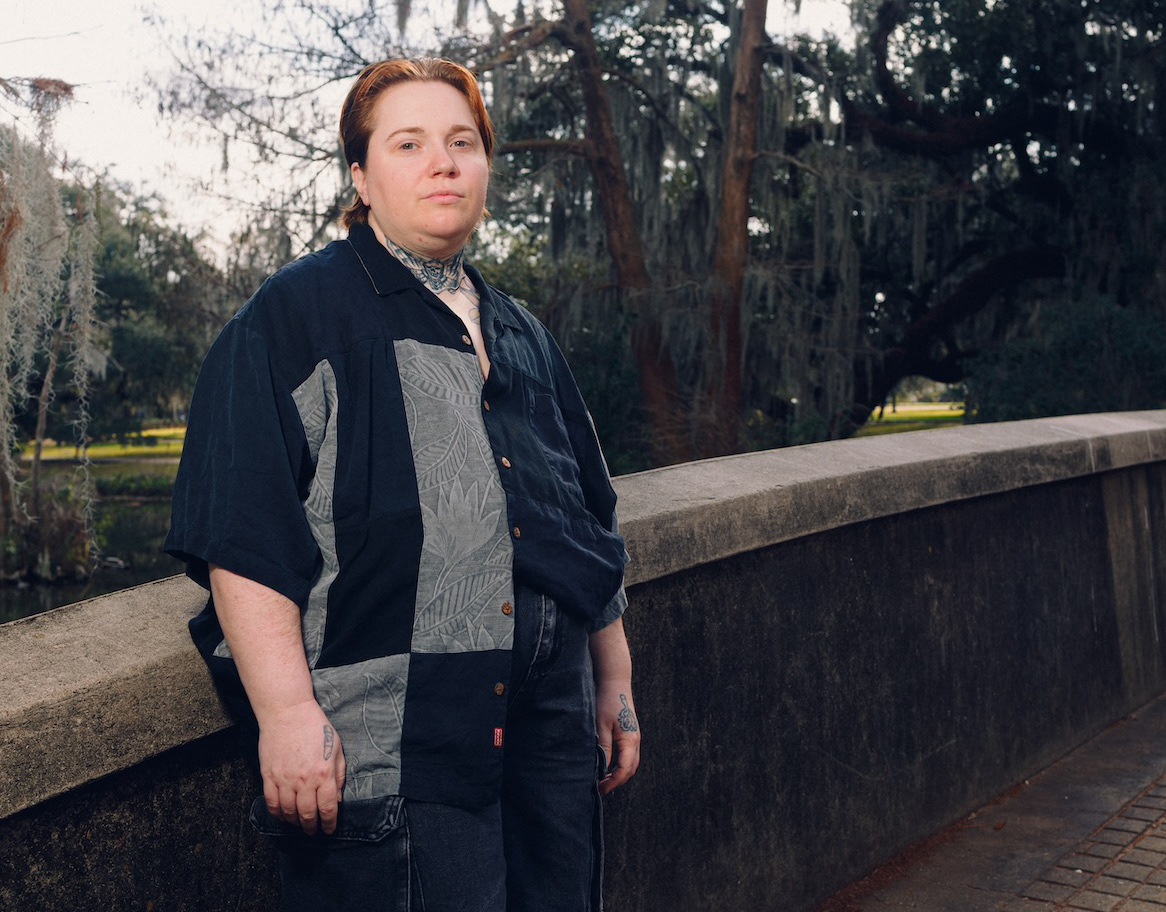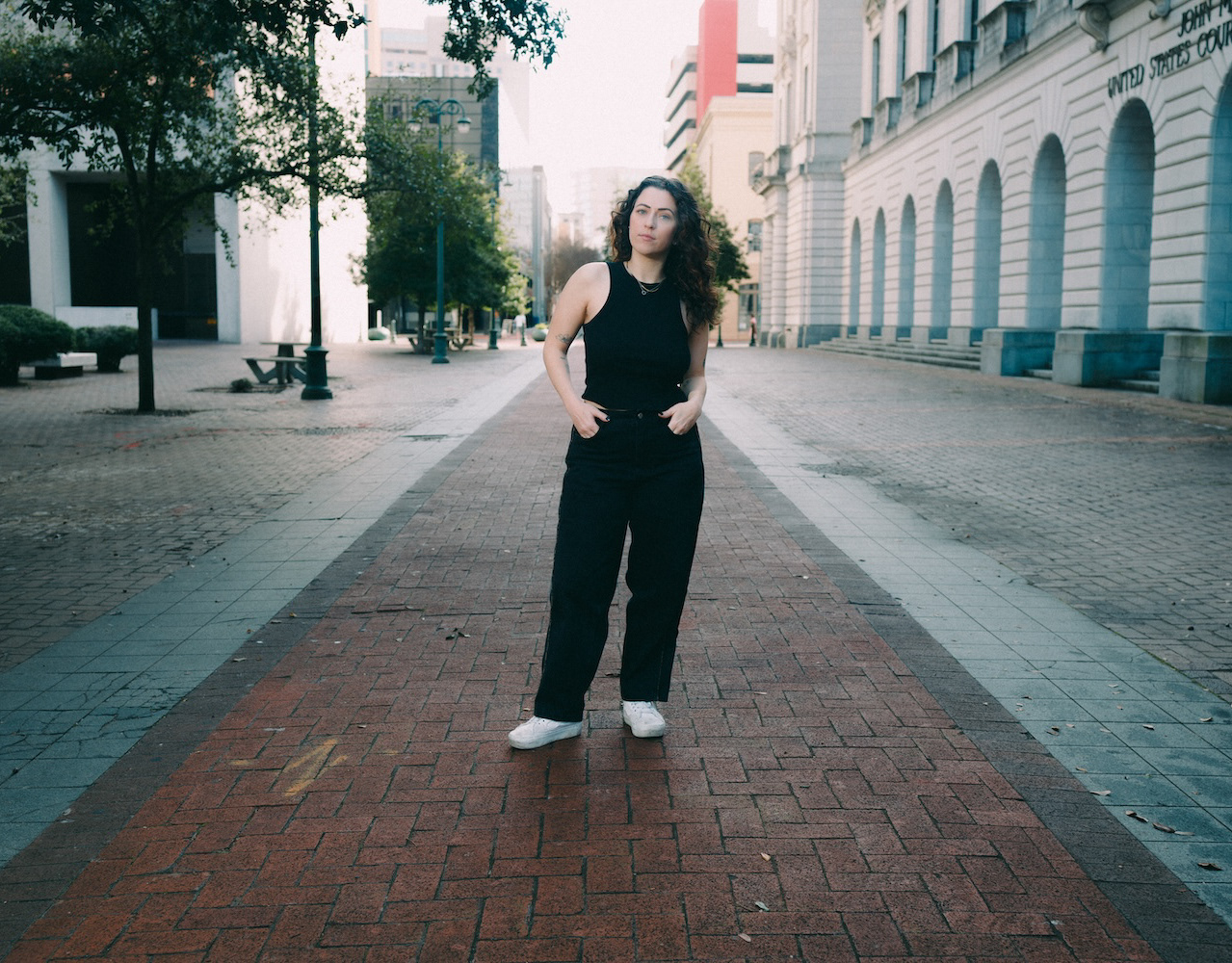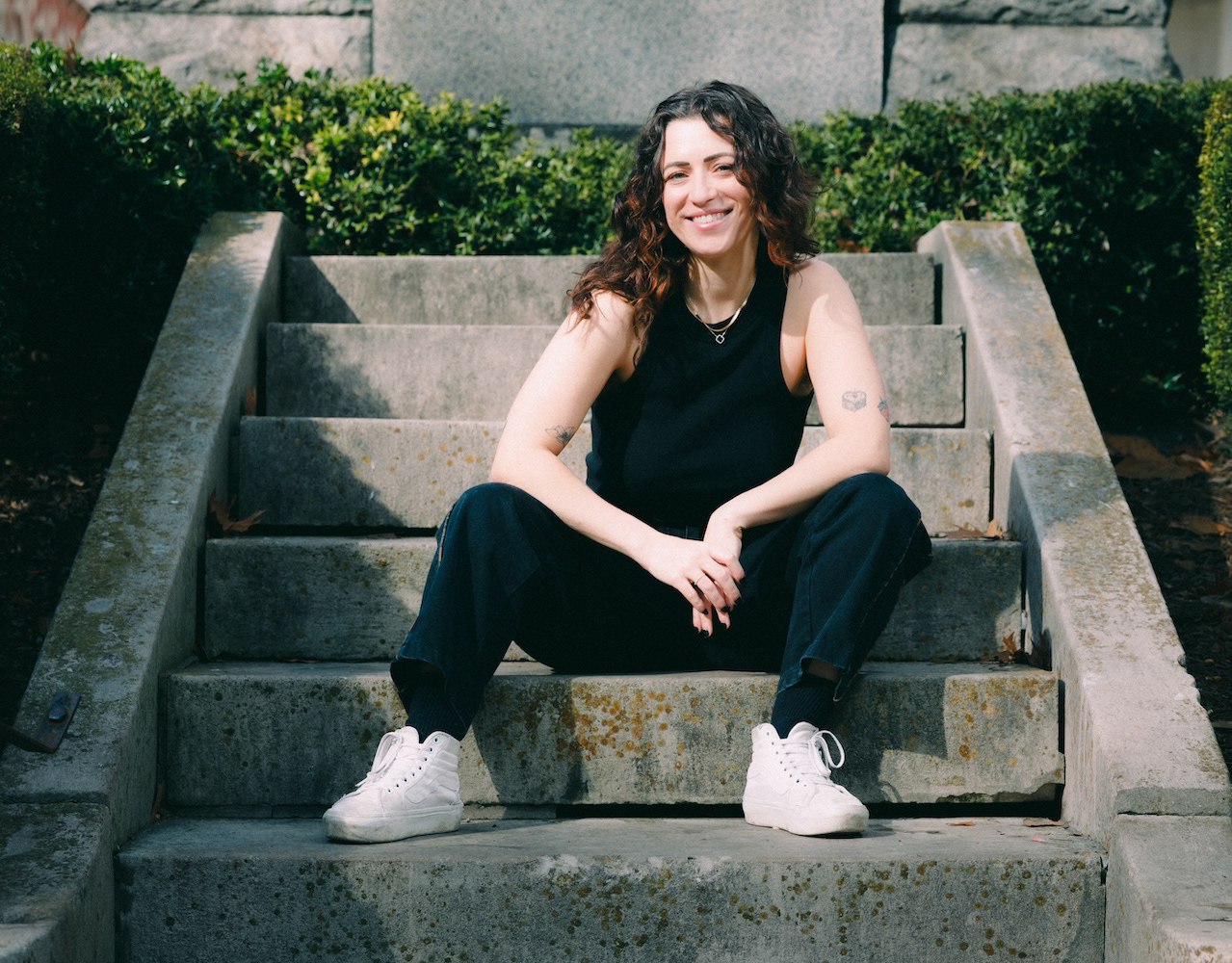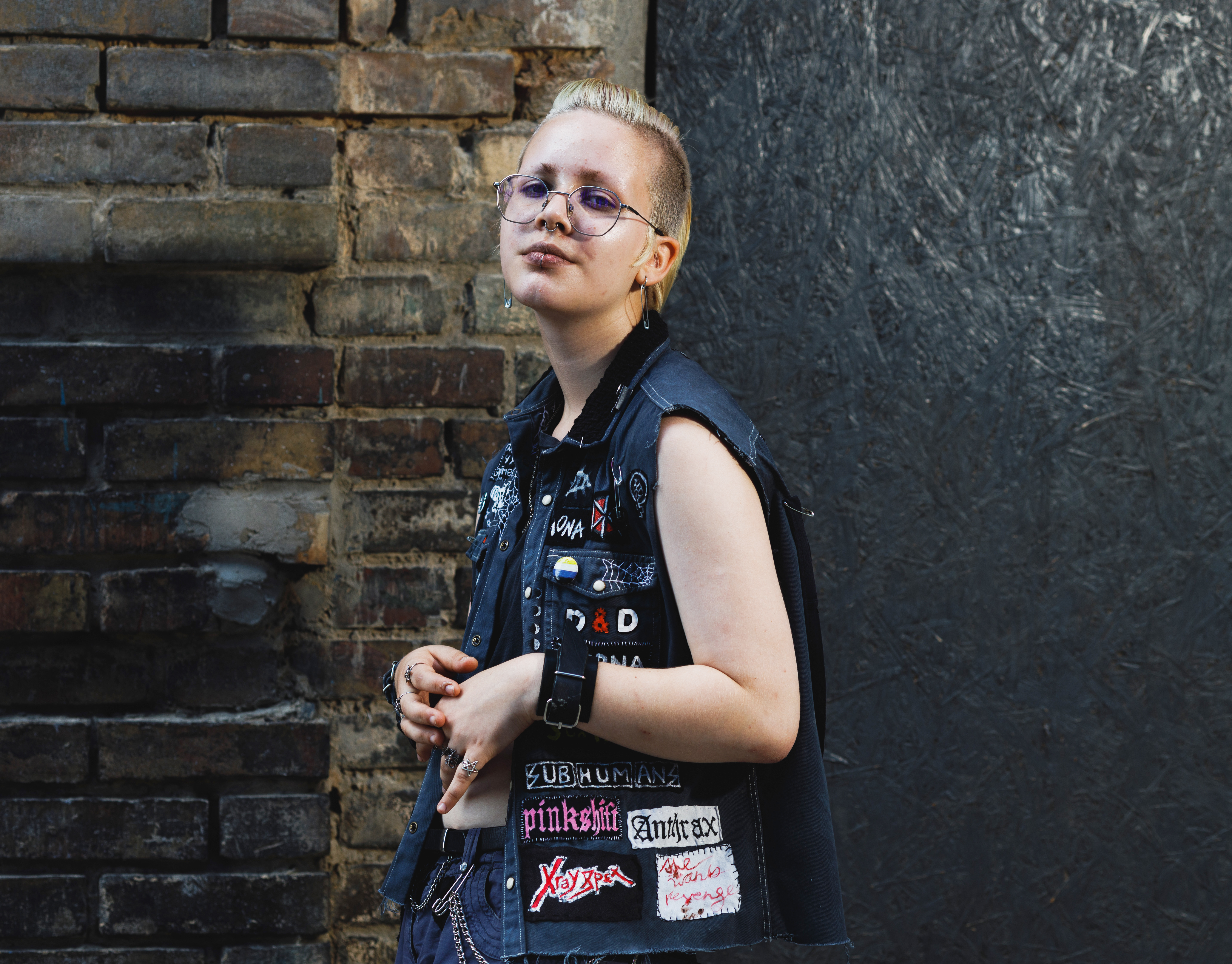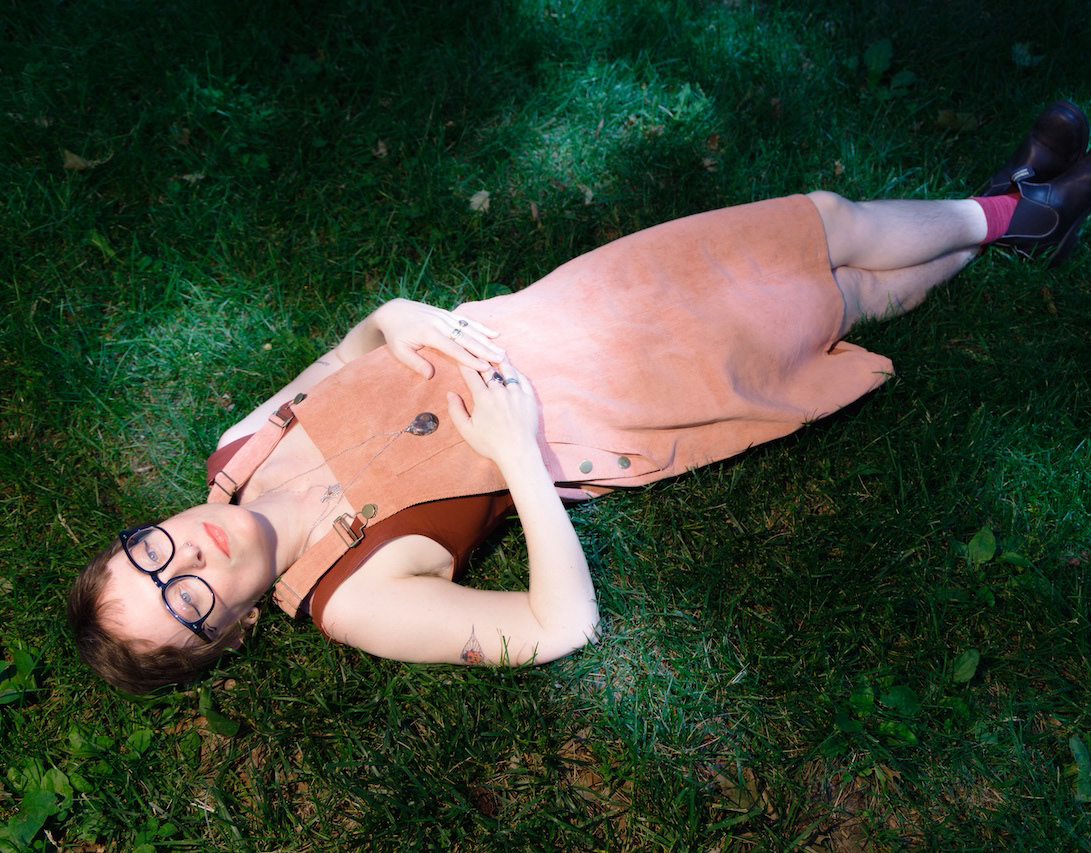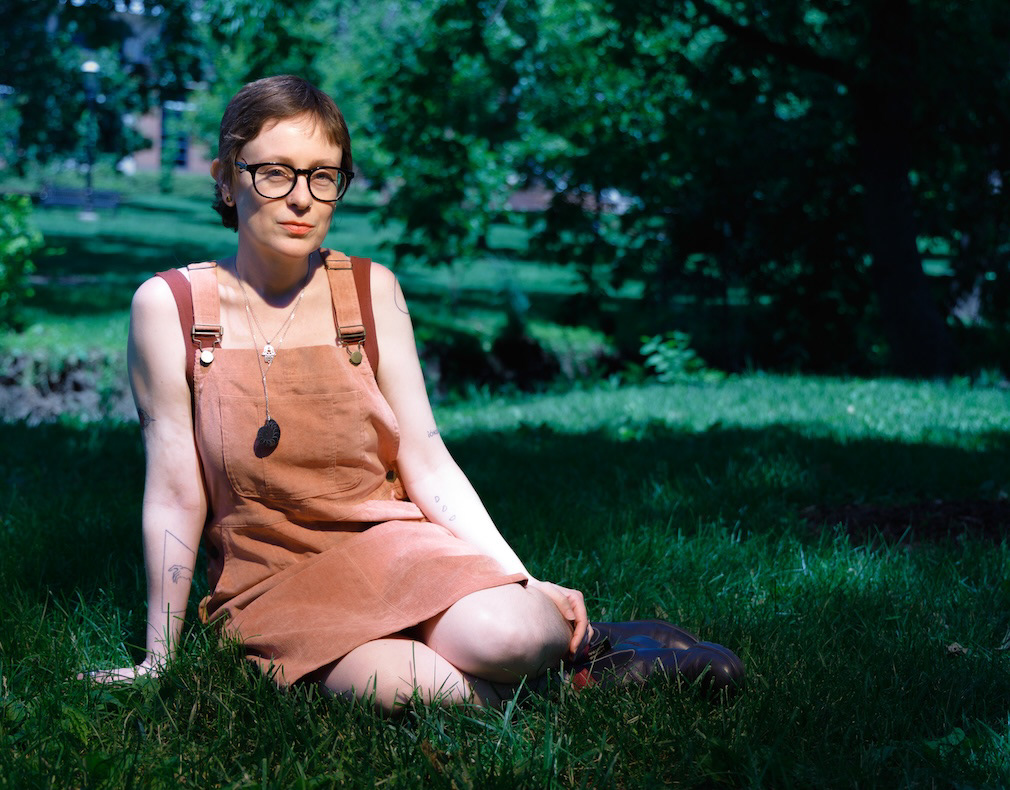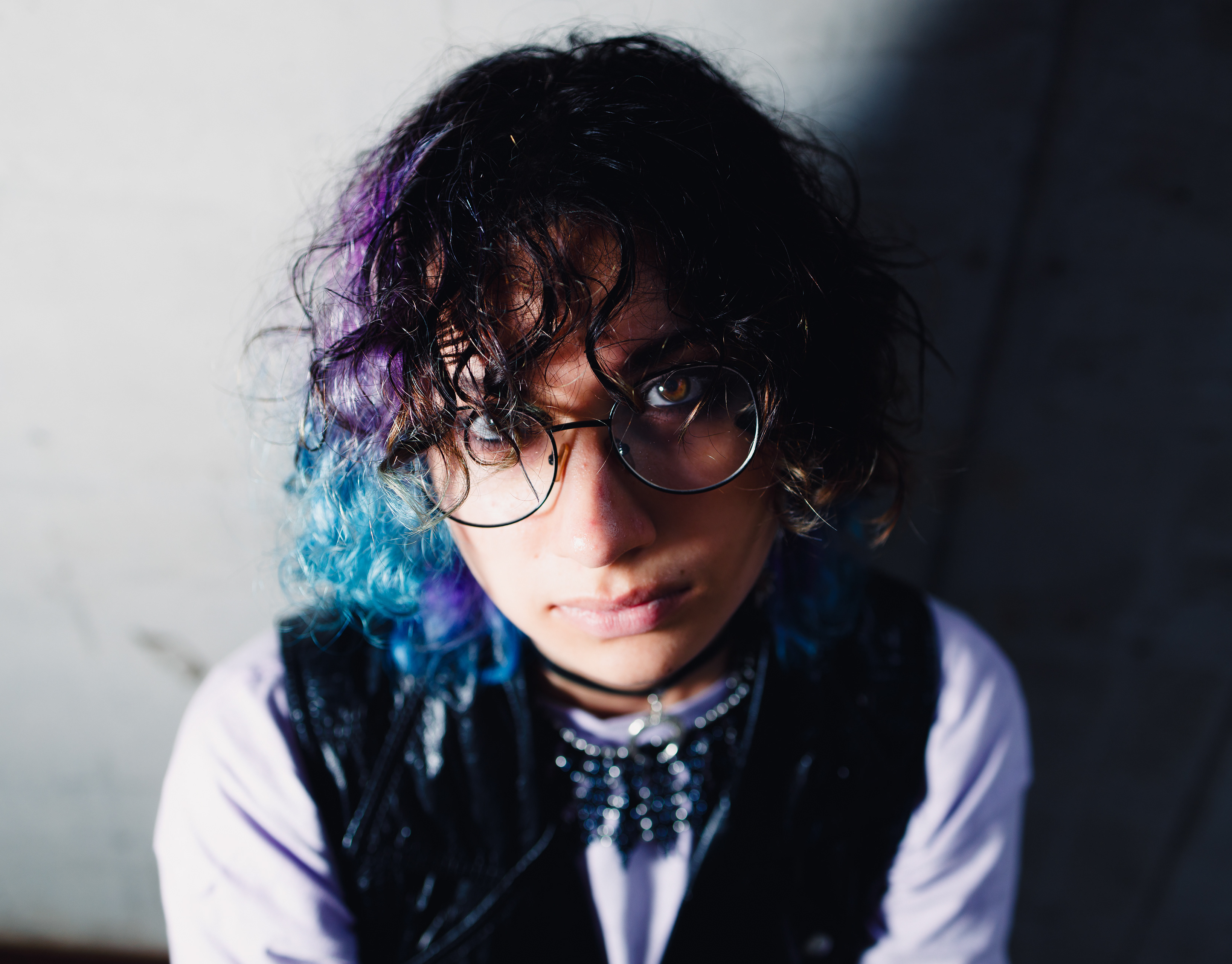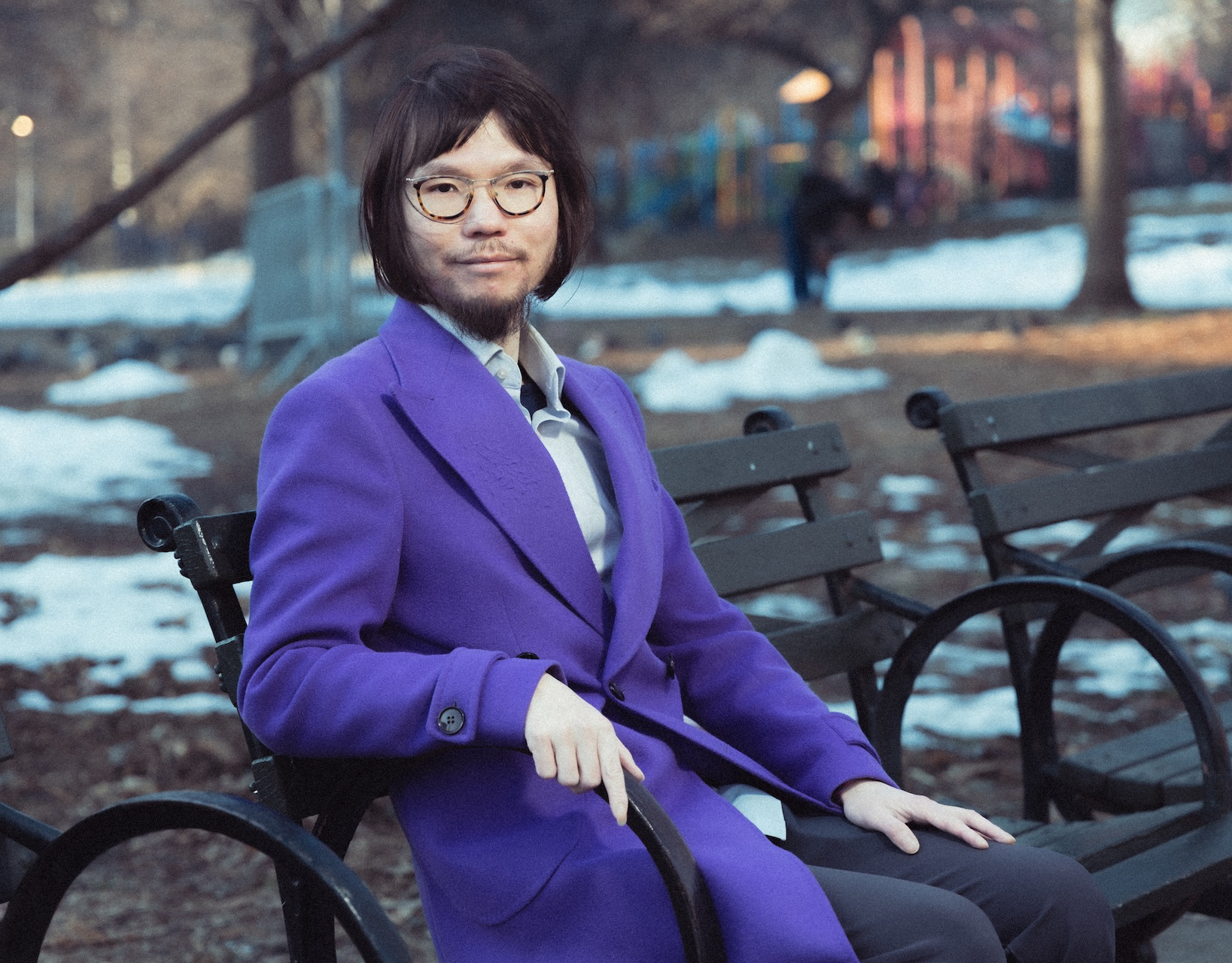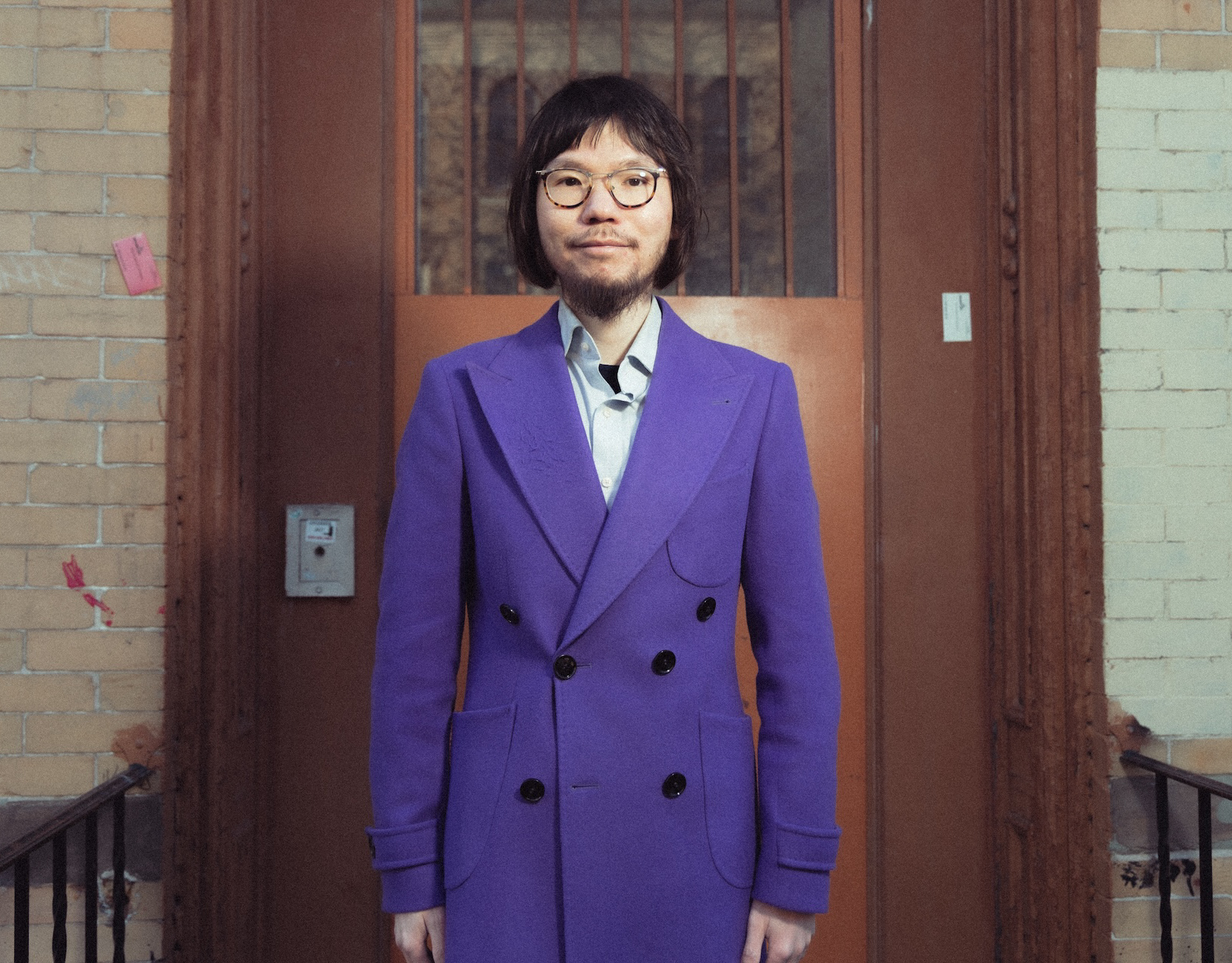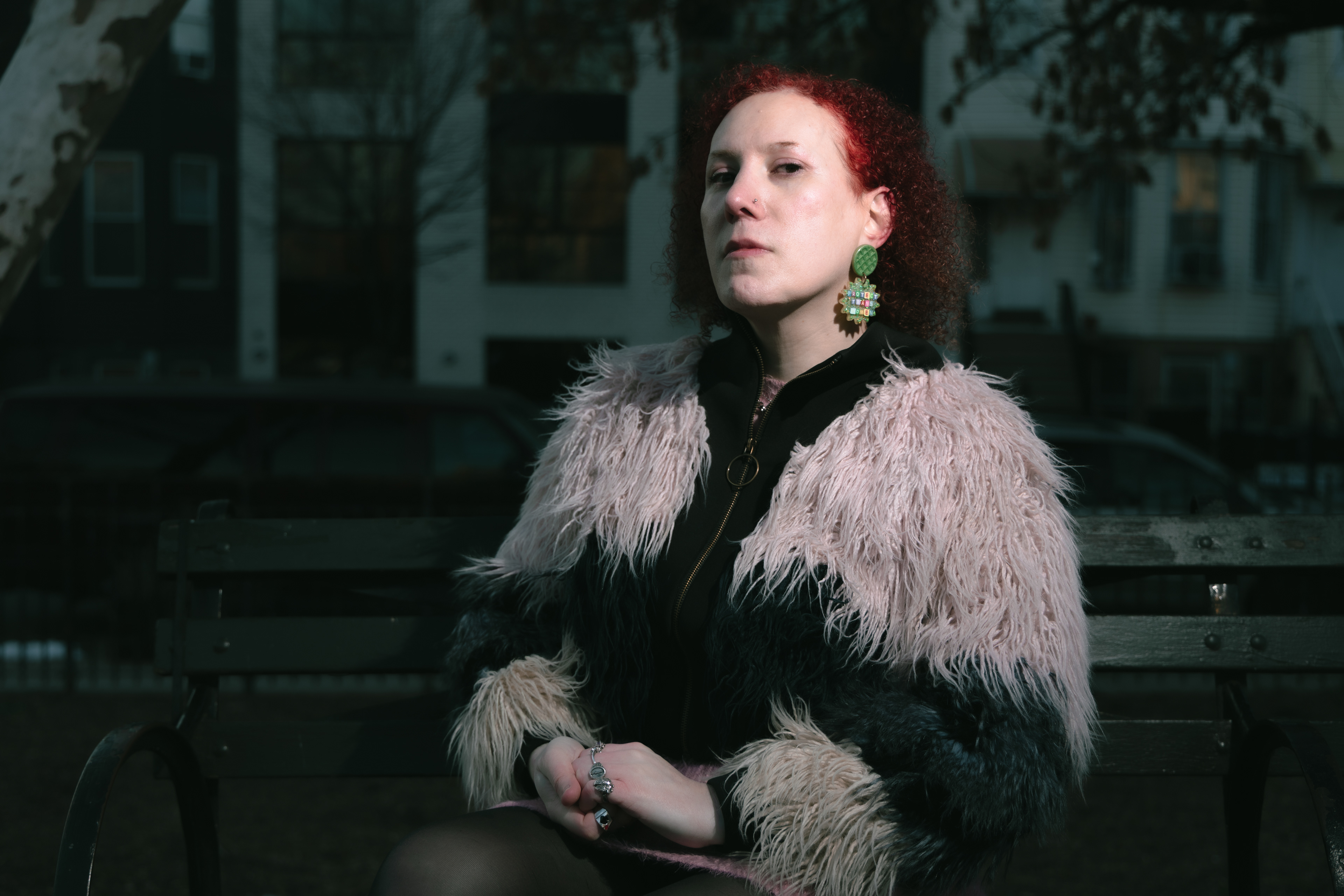
“For a long time, I did not have the language for what I was experiencing. It was a gradual process of becoming more legible to myself.” — Lili (she/they), New York, March 2, 2026. Photo by Saf Homin.
Lili is a nonbinary cultural worker based in New York who grew up in the Hasidic community. Through their work in film and their experiences across different communities, they reflect on coming out, transition, femininity, and the gradual process of understanding themself. They also speak about community, art, and finding connection after leaving one world behind.
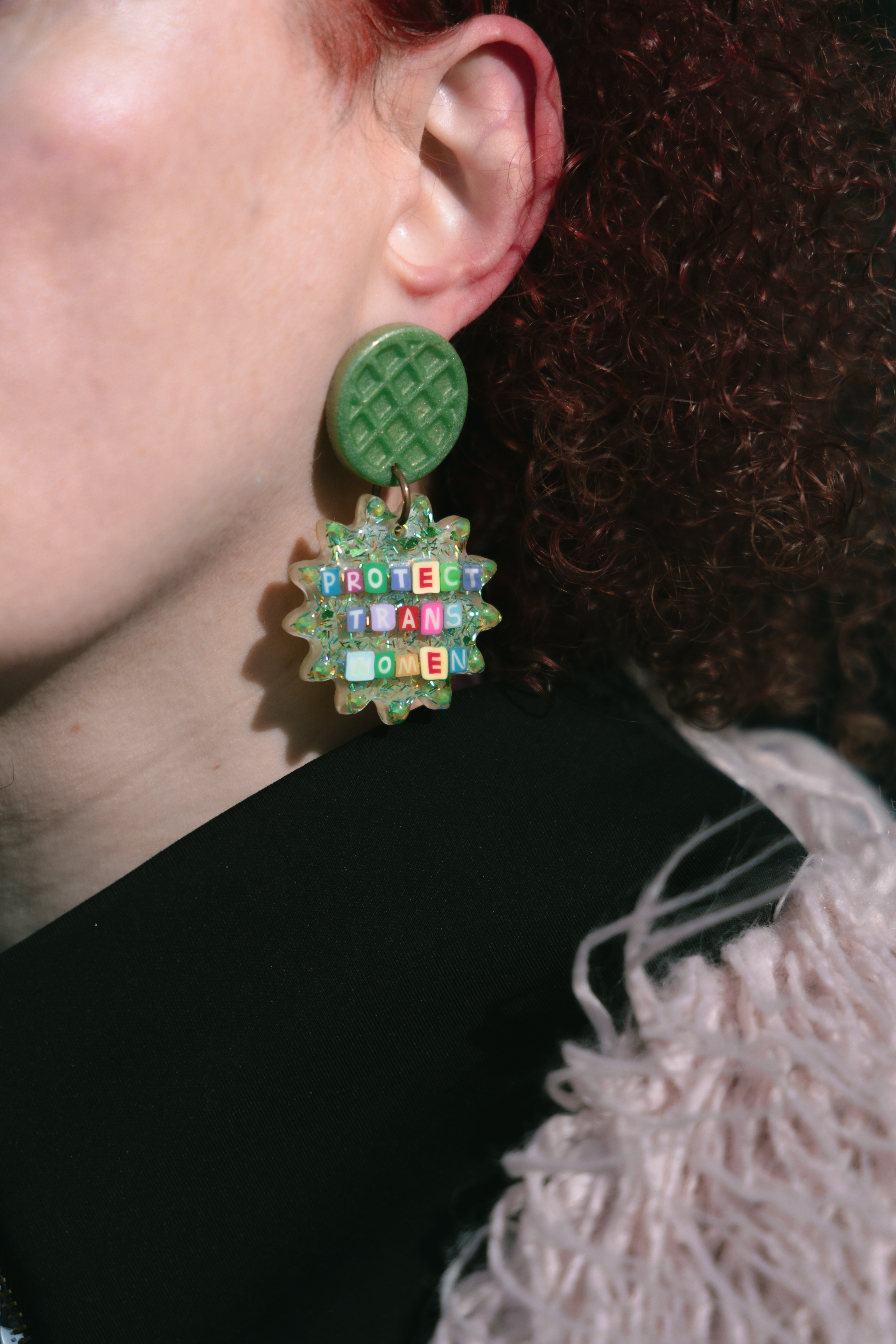
“For a long time, I did not have the language for what I was experiencing.”
When did your story of gender start to become visible to you?
For a long time, I did not have the language for what I was experiencing. That absence shaped much of my life. By the time I began coming out, it was not a single revelation. It was a gradual process of becoming more legible to myself, both in public and in private.
How did coming out actually happen?
It happened slowly. During pre-production for a film project, I started adjusting my appearance bit by bit over Zoom meetings. Eventually, I sent an email explaining myself before one of those meetings. No one responded directly, but I felt freer afterward. By the time I arrived on set, I was presenting fully in the way that felt right to me then.
What did that version of yourself look like?
At that time, I was presenting in a very feminine way. My mother influenced that strongly. She is very traditionally feminine, always perfectly dressed, and I followed that model. Looking back, I can see that femininity was not just aesthetic. It was also part of how I was trying to understand myself through the forms that were available to me.
What was it like to be seen by others during that period?
Mostly, people were respectful. Some did not fully understand trans identity and probably placed me into categories that felt familiar to them. Even so, I was visible at work and accepted. Looking back, I also understand that I had forms of privilege that made that visibility safer for me than it was for many other trans people.
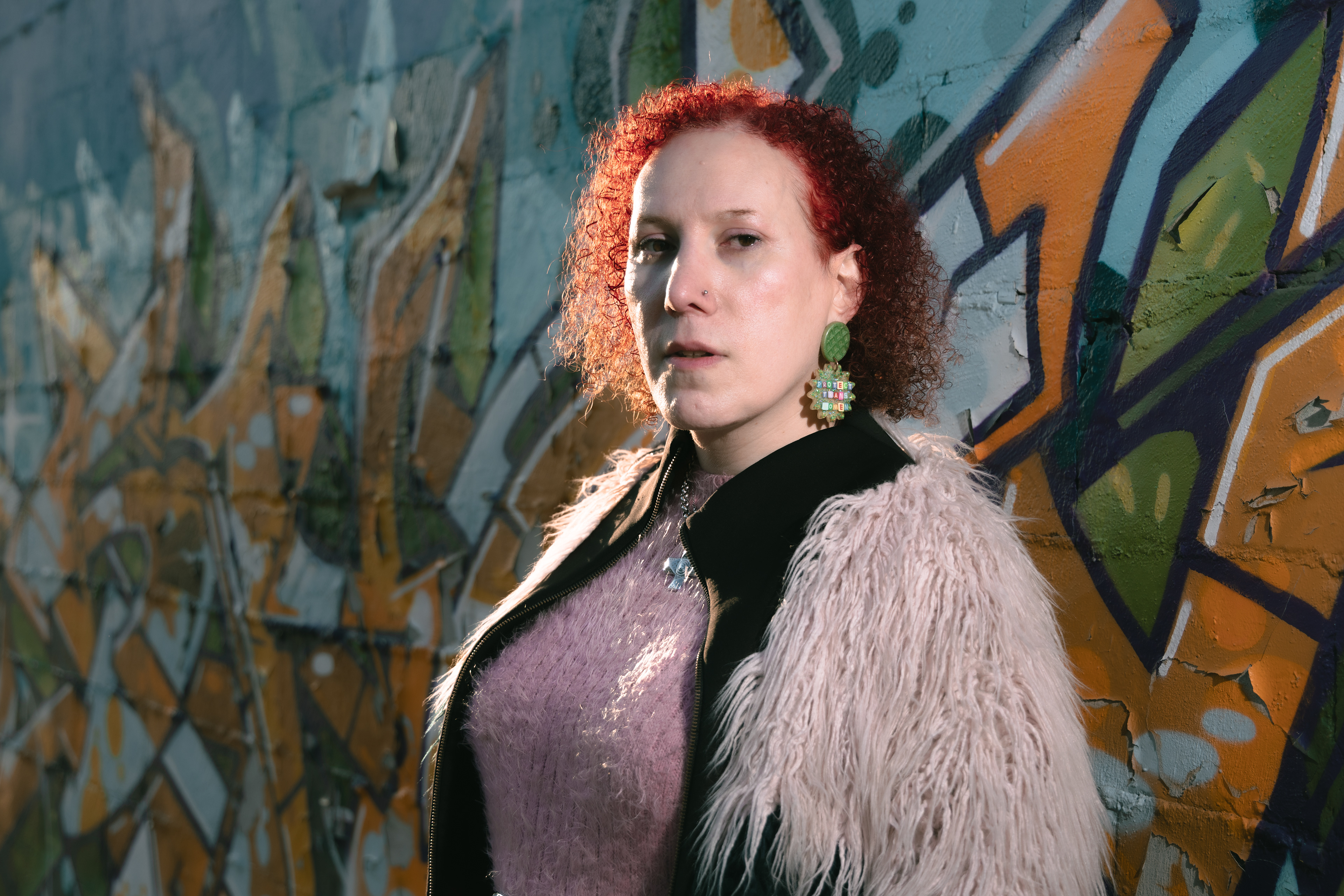
“It was a gradual process of becoming more legible to myself.”
Was there a moment when recognition felt especially concrete?
Yes. Before my first day of shooting, I realized there were only men’s and women’s trailers. I messaged a producer late at night and said that I could not be placed in the men’s trailer. The next day, my name was on the women’s trailer. It was a small administrative decision, but it carried real weight. It told me that my presence would be accommodated, not erased.
Was there another moment that stayed with you?
Yes. I once visited the Kyiv Lavra with a Ukrainian friend who had quickly become my guide and protector in the city. I arrived in a sleeveless jumpsuit and assumed the scarf she handed me was for my bare shoulders. She told me it was for my hair. Inside, during a large service filled with chanting and gold, a nun looked at me, guided me to the women’s section, and told me not to be shy. It became one of the most unexpectedly affirming moments of my life.
When did you realize that womanhood did not fully contain your experience?
That realization came later and took time. At first, using they/them pronouns was a step on the way to identifying as a woman. But I kept feeling tension around the binary itself. The turning point came in a dream: I saw myself as a trans woman playing a male role, then taking off the costume and realizing that I liked being both. I woke up with a new sense of clarity.
What did identifying as nonbinary change for you?
It removed pressure. I no longer felt obligated to perform femininity all the time. It changed how I understood presentation, relationships, and expectation. It was not as dramatic as coming out as trans had been, but it still reshaped my life. It gave me more room to exist without forcing myself into a fixed script.
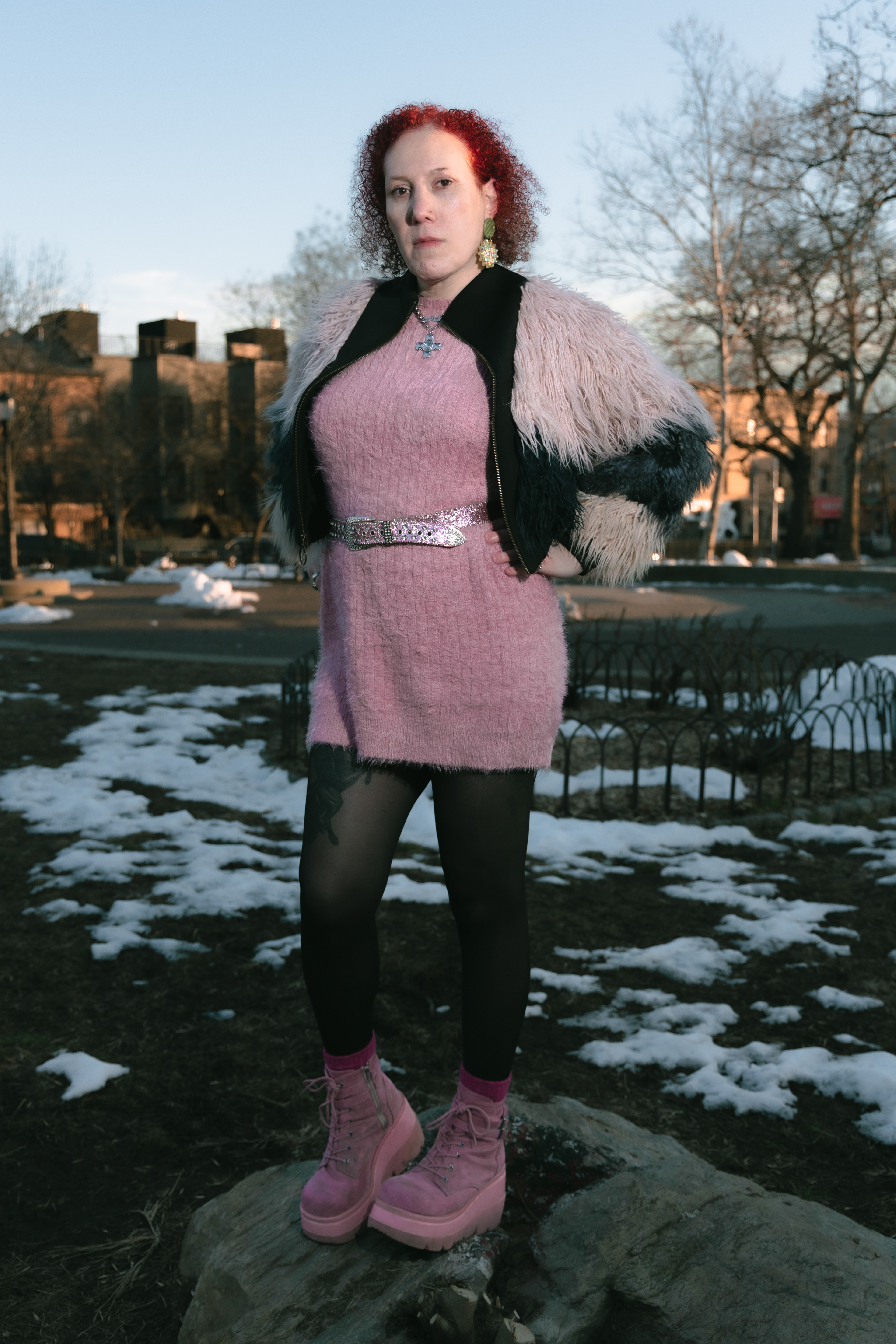
“Community is essential. Losing a close-knit environment creates a void.”
What holds you up now?
Community and art. After leaving one close-knit world, I found chosen family among others who had left. Later, gender identity became even more central because of how society categorized me. Community helped answer that loss. Art helped fill the space too. It connects me to other people, gives meaning to experience, and becomes a form of expression and resistance.
Interview conducted in New York on March 2, 2026.